
Share this article:
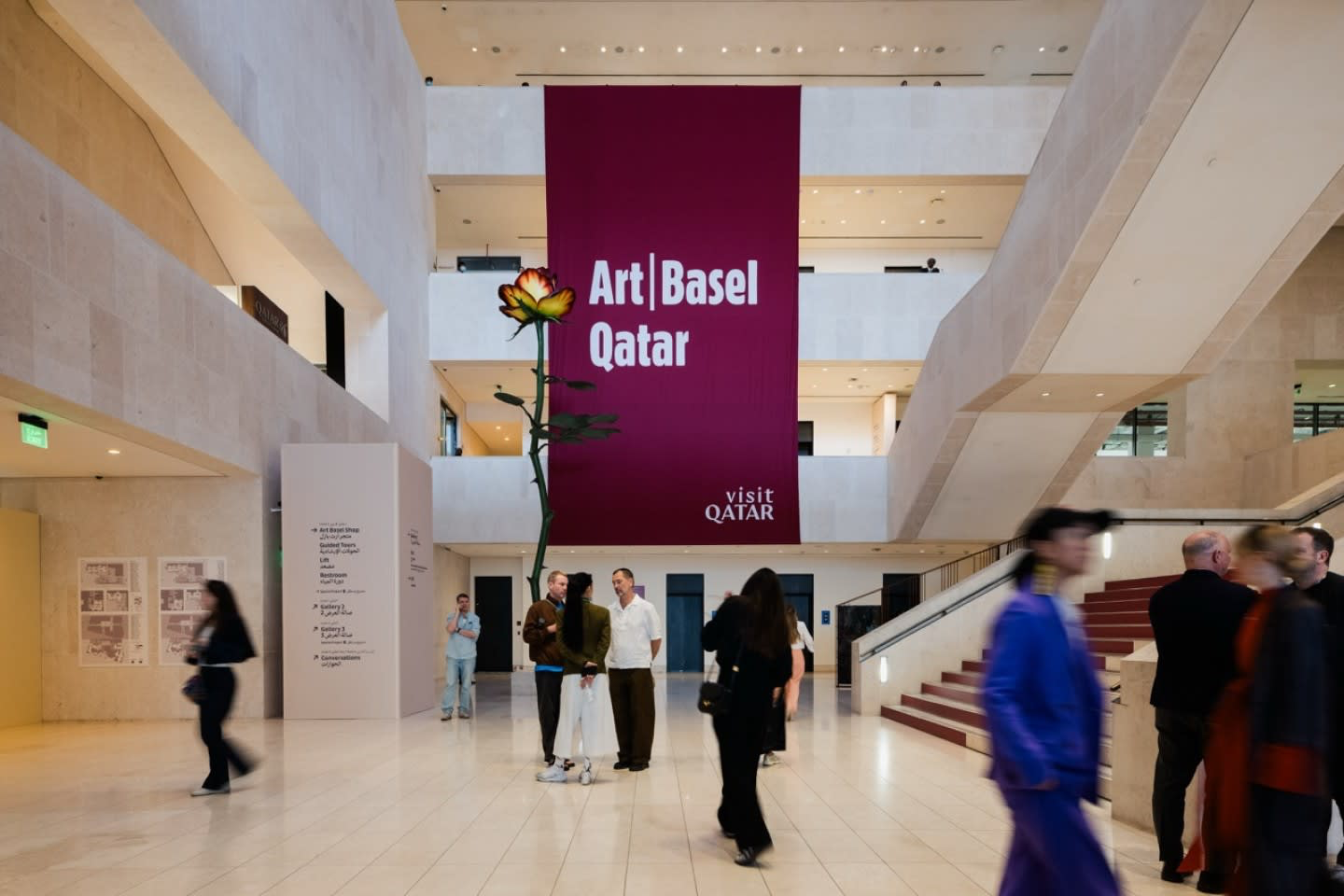
Building the Market Before the Collectors; Art Basel’s arrival in Qatar marks a decisive shift in how global art infrastructure is imagined, deployed, and legitimized. Unlike Basel, Miami Beach, Hong Kong, or Paris, Doha does not emerge from a dense, historically layered gallery ecosystem, nor from a long-established private collector base organically shaped over decades. Instead, Art Basel Qatar stands as a carefully engineered intervention – a fair introduced not as a reflection of an existing market, but as a tool to actively construct one.
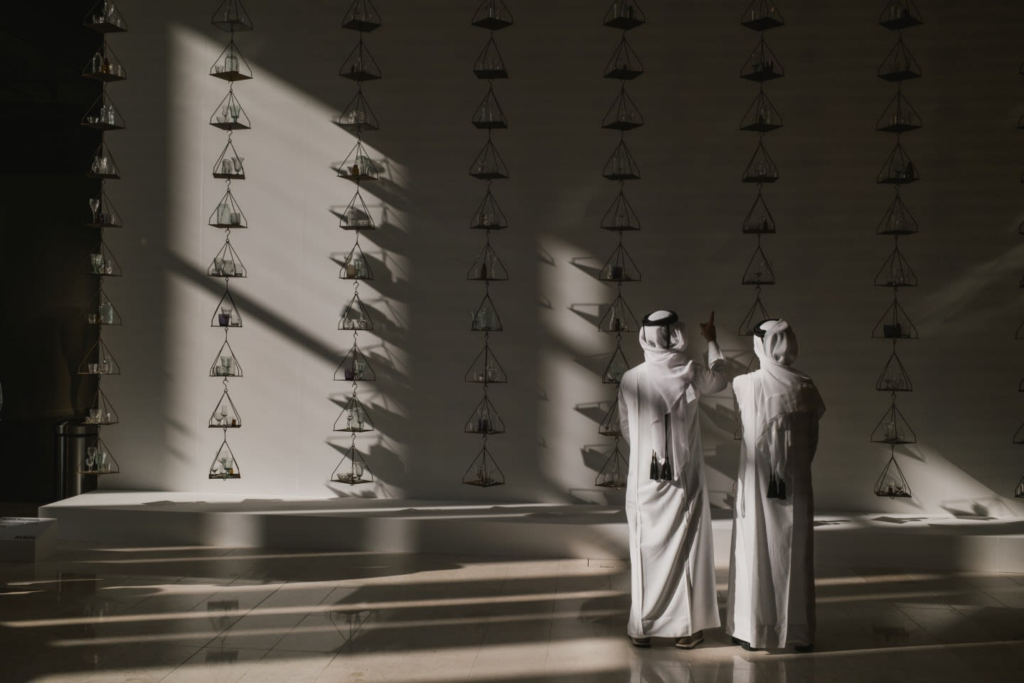
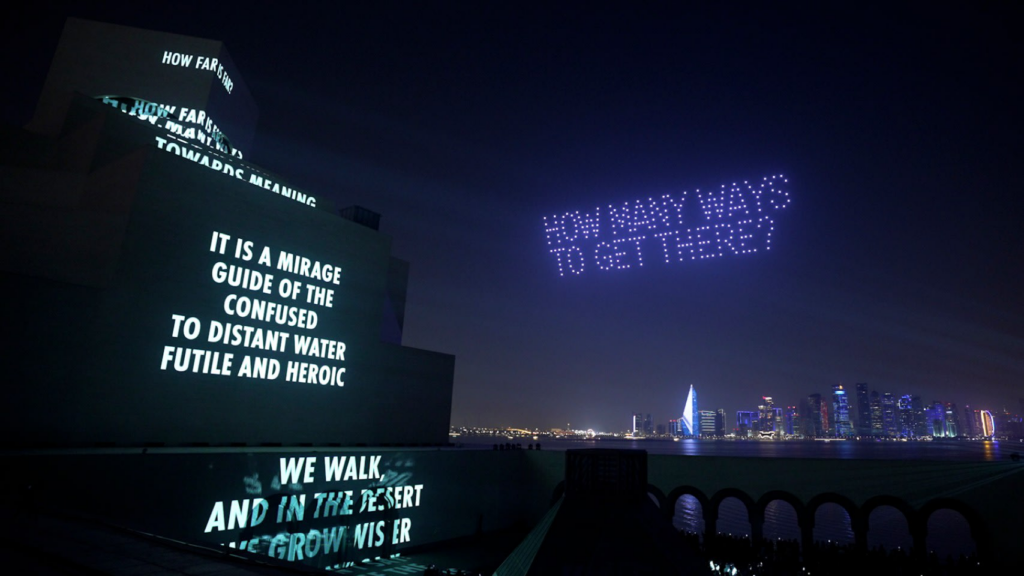
This inversion is not accidental, it is completely strategic;Art Basel Qatar’s inaugural edition achieved significant reach and engagement. According to official recording, over 17,000 visitors attended the fair across its VIP and public days at M7 and Doha Design District. Galleries reported meaningful engagement with new audiences and collectors particularly from MENASA region. Institutional interest was also notable: representatives from more than 85 museums and foundations worldwide attended, positioning fair as a site of discovery, dialogue and potential acquisition for major international collections from the Guggenheim Abu Dhabi, and Louvre Abu Dhabi to Tate and Whitney Museum of American Art.
Taken together, these results suggested that while the fair may not yet resemble a conventional market, it has succeeded in generating visibility, institutional attention, and emerging collector interest. Laying early groundwork for future ecosystem growth rather than immediate commercial dominance.
In art history; traditional art capitals emerge through friction: generations of artists, gallerists, critics, collectors, and institutions co-evolve, often chaotically. Qatar follows a different logic. Here cultural infrastructure precedes grassroots density. Museums are inaugurated before local art scenes reach maturity; global events are imported before domestic commercial ecosystem are fully in place.
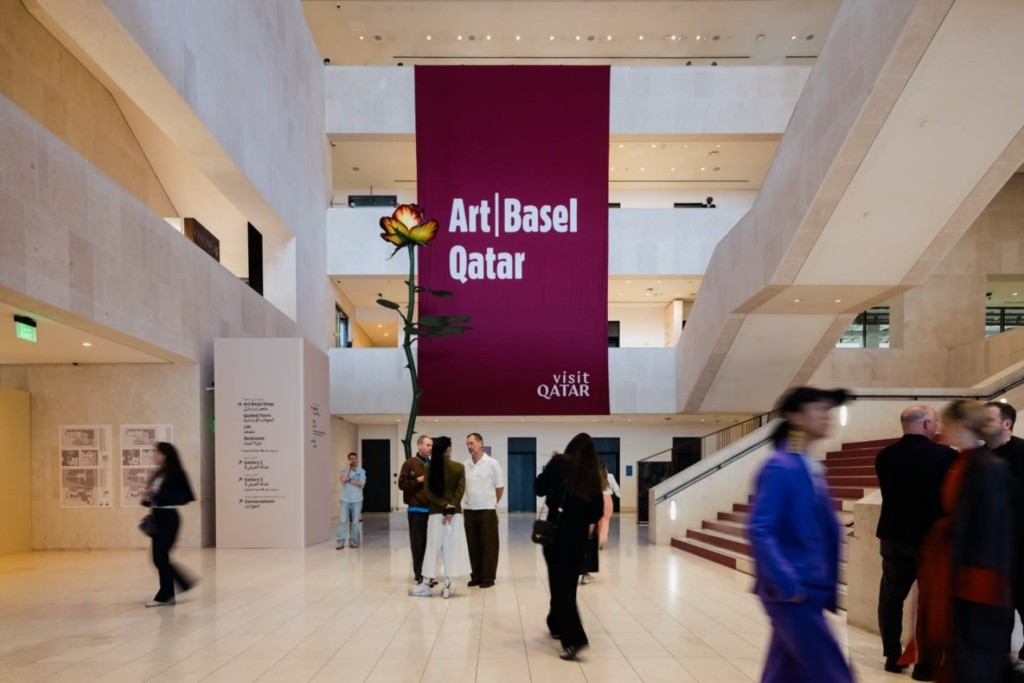
Art Basel Qatar belongs squarely within this model. Its presence does not crown an already vibrant commercial ecology- it initiates one. In this sense, the fair operates less as a mirror of market vitality and more as an architectural framework design to attract attention, legitimacy, and future participation.
Central to this project is the role of the Qatari state and the royal family, particularly through Qatar Museums and its long-standing leadership. Cultural policy in Qatar has never been shy about scale or ambition. Over the past two decades, the country has pursued culture not as ornament, but as a geopolitical language- means of positioning itself within global discourse beyond energy and finance.
Art Basel Qatar is unimaginable without this backing. This support does not simply provide funding, it needs to be guaranteed by stability, visibility and a promise of continuing that many emerging regions struggle to secure.
Art Basel Qatar example raises an essential question for the art world: Can a market be responsibly built from the top down? Or more provocatively, has it always been?
Western art histories often romanticize organic growth while quietly relying on patronage systems- aristocratic, industrial, or corporate that functioned not so differently.
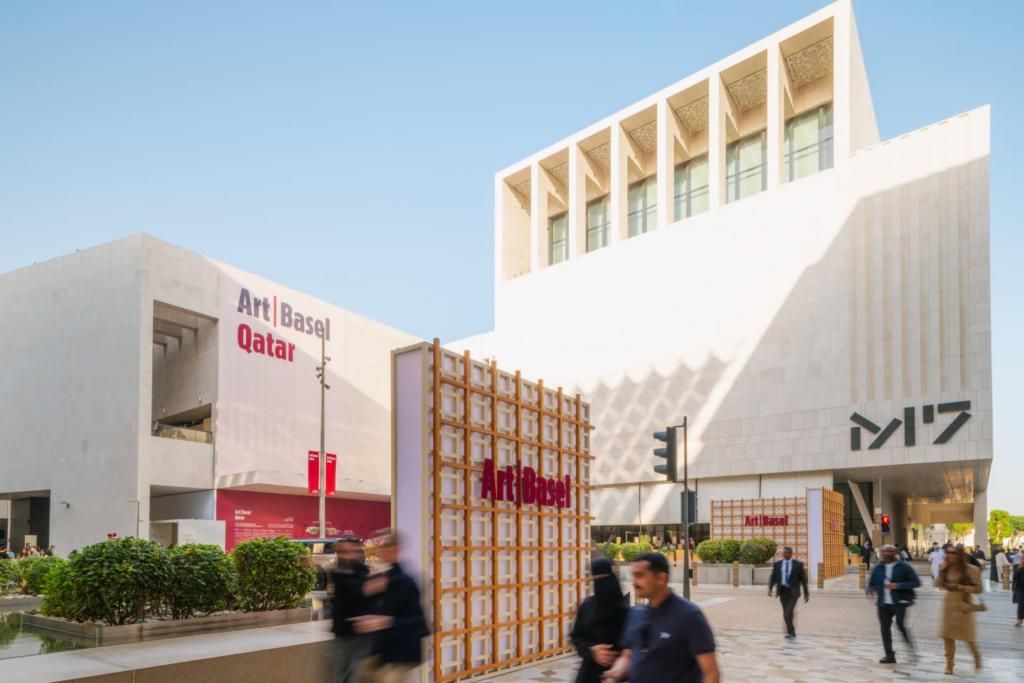
A FAIR THAT REFUSES TO BEHAVE LIKE A FAIR:
Art Basel Qatar must be read less as an art fair than as a strategic cultural construct. Its very material absence of commercial infrastructure.
Noah Horowitz, CEO of the Art Basel, emphasized at the inauguration that Art Basel Qatar, despite its non-traditional format and open, cultural structure, remains a fair in essence- part of the global Art Basel circuit where galleries exhibit, audiences engage, and works are available for acquisition within an evolving market context.
This reflects his broader argument that: Art Basel Qatar’s open, narrative- driven format intentionally priorities context and dialogue over rigid commerce yet the event nonetheless maintains its role as a market platform connecting artists, galleries and the future collectors within the Art Basel’s global network and is expected to support long term market development in the MENASA region.
The idea that Art Basel Qatar was conceived as an institutional protype rather than a functioning market, in doing so, it invented the logic of art fairs; instead of responding to an existing ecosystem, it attempted to pre-figure one.
Also, the idea behind this construction is strategic patience. By suspending immediate commerce, the organizers and the royal patrons signal that cultural legitimacy must be established before economic circulation can occur.
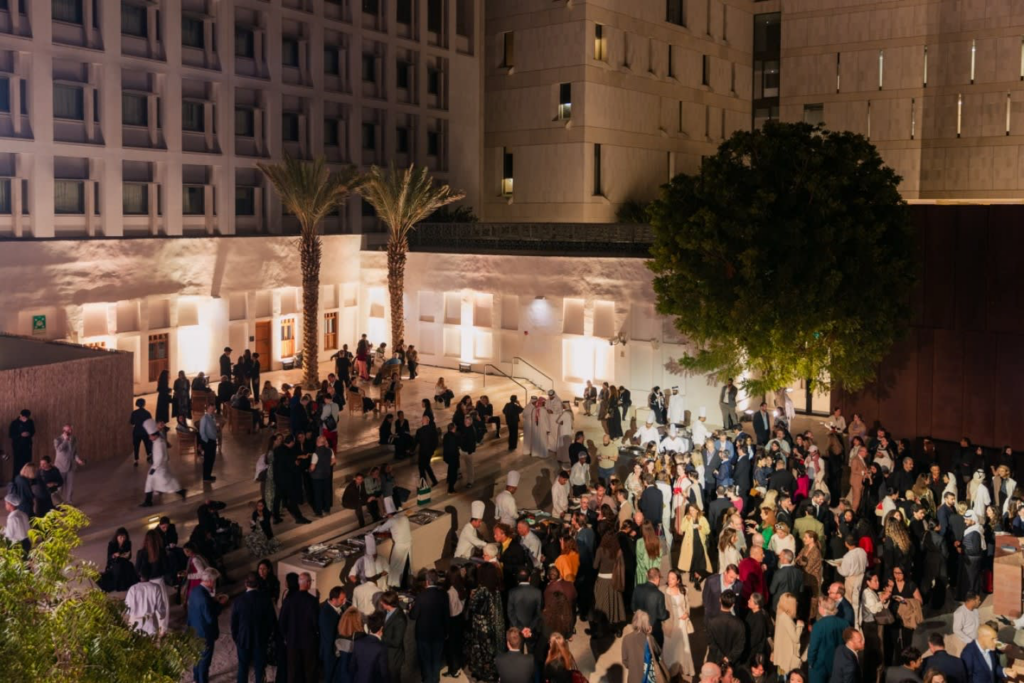
This strategy becomes even more legible when viewed against geopolitical backdrop. Only some kms away from the exhibition site, the war ships positioned under heightened alert-a silent reminder of regional instability and hard power realities. In this charged context, the presence of a refined, global cultural event functions as soft power in its most explicit form. Art becomes a counter-image to militarization: an assert of stability, control, and global connectivity through culture rather than force.
Art Basel Qatar therefore stages a powerful paradox. While hard power anchors the territory, soft power performs its narrative. The fair-that-is-not-yet-fair becomes a diplomatic instrument, projecting calm, sophistication, and featuring at a moment of high geopolitical tension.
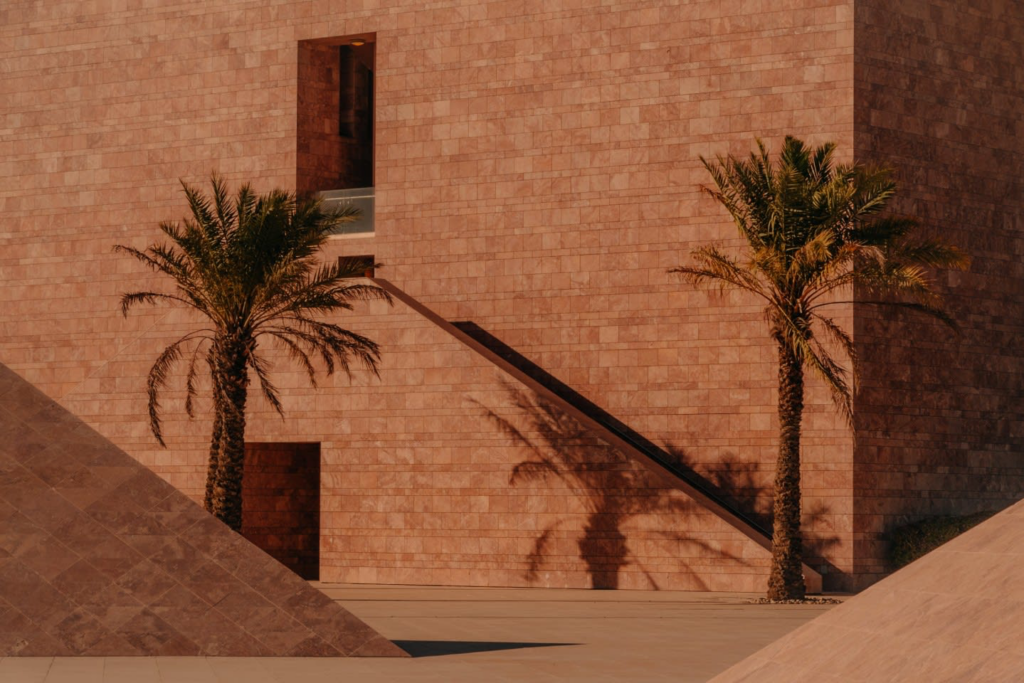
In the end, Art Basel Qatar is not selling art, nor even collecting about it- not yet. It is about occupying symbolic time. By adopting the visual language of a biennale, the event claims cultural maturity an advance, rehearsing a future in which Doha is no longer a peripheral host but an authored center. Whether this ambition will into a living, autonomous art ecosystem remains unresolved, but as a strategic cultural gesture, the message is unmistakable: culture, here, is not an accessory- it is policy.

