
Share this article:
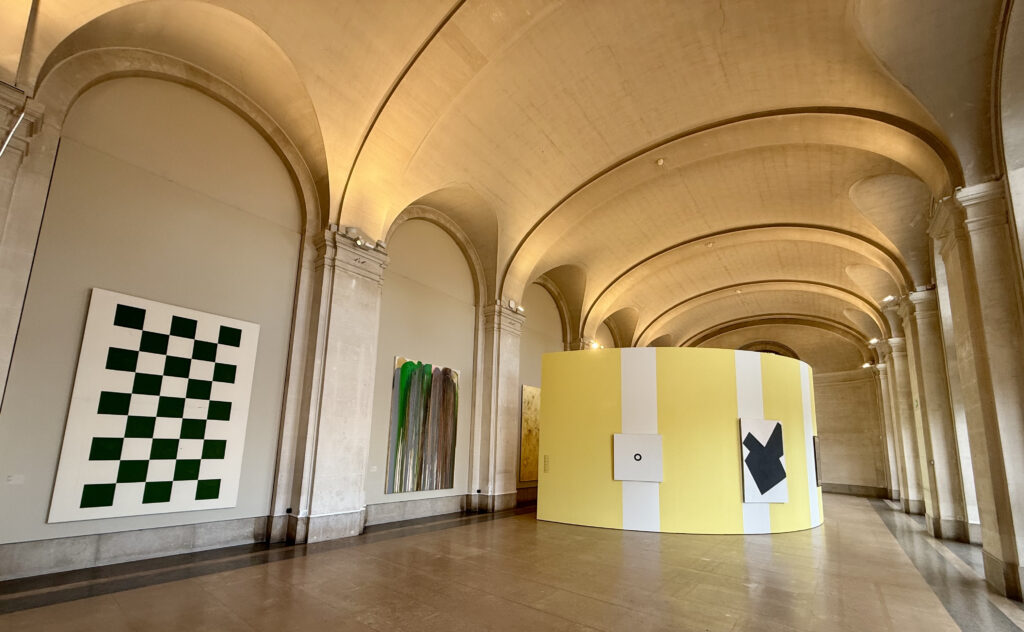
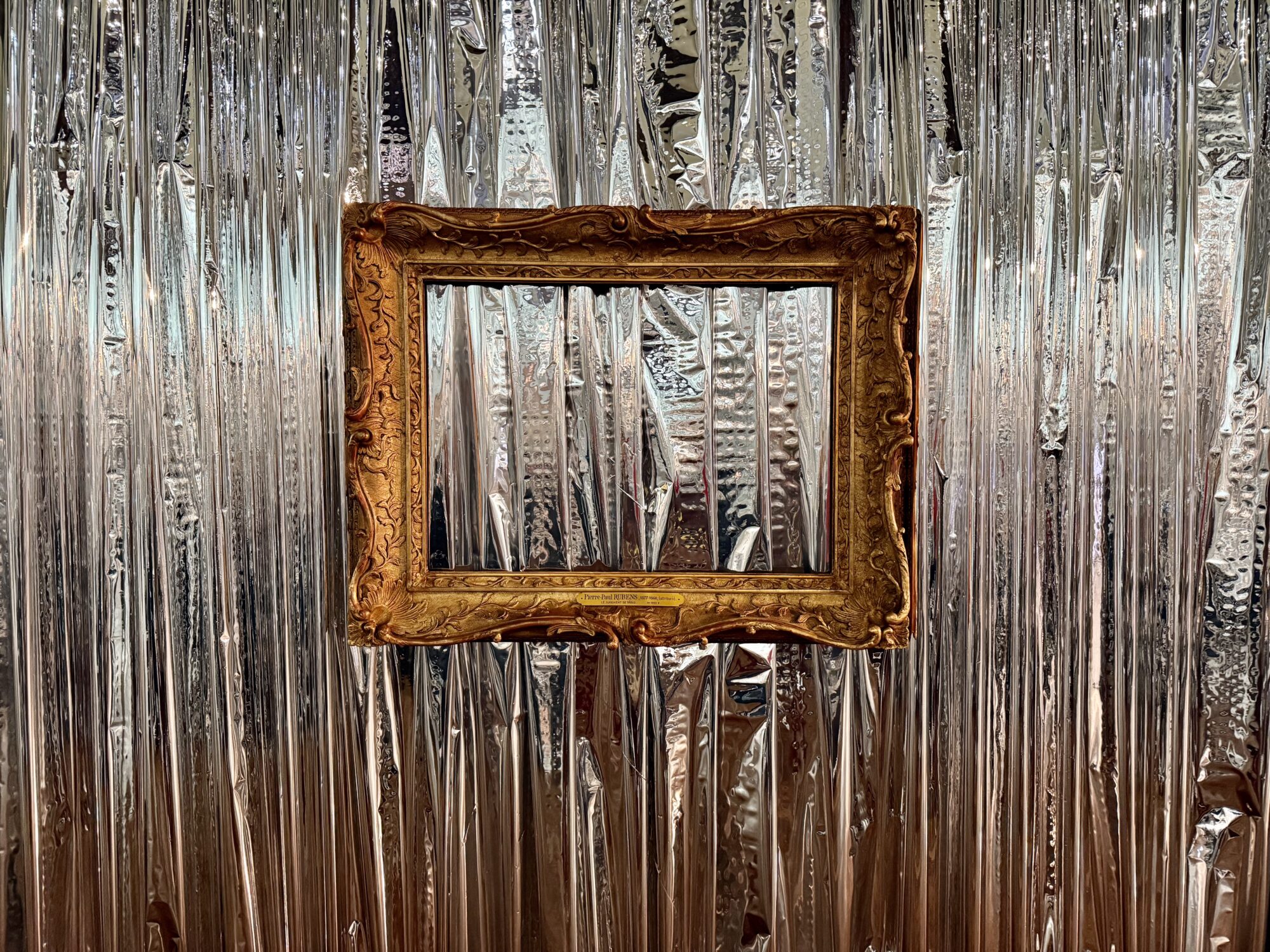
THE MUSEUM RE-OBSERVED; For the sixth time, the MAH Geneva has entrusted its collections to an artist through its Carte Blanche program, an initiative that invites a singular artist vision to re-interpret the museum from within. Conceived by Museum’s director as a space of radical openness, the Carte Blanche is not an exhibition format but an act of confidence; allowing an artist to unsettle habits of display, challenge institutional narratives, and reveal the collection through a fresh lens.
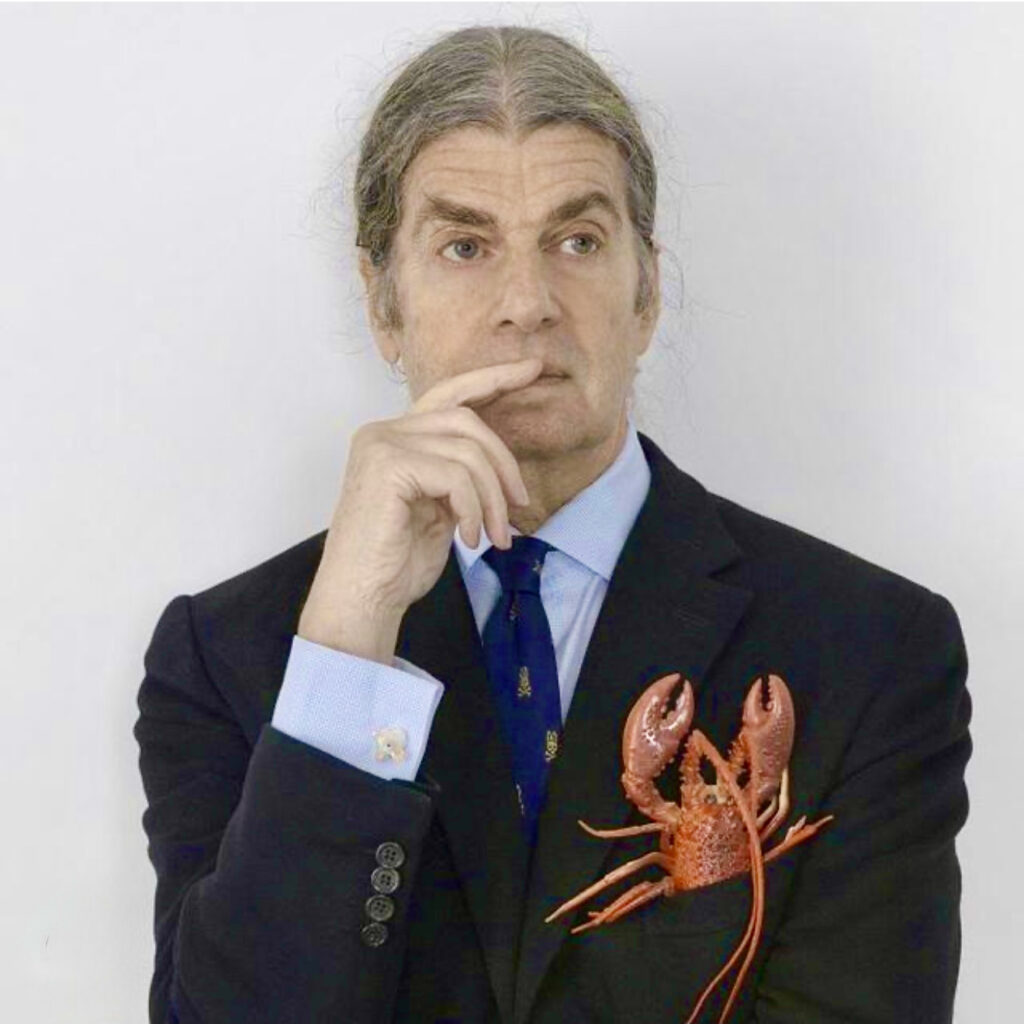
Each invitation reflects a deliberate choice-not to illustrate the past, but to test the museum’s capacity for renewal, dialogue, and critical reinvention. In selecting John M. Armleder for this sixth edition, the Museum of Art and History, (MAH) Geneva, affirms the power of deep artistic knowledge and experimental thinking to transform a historical collection into a living, contemporary experience.
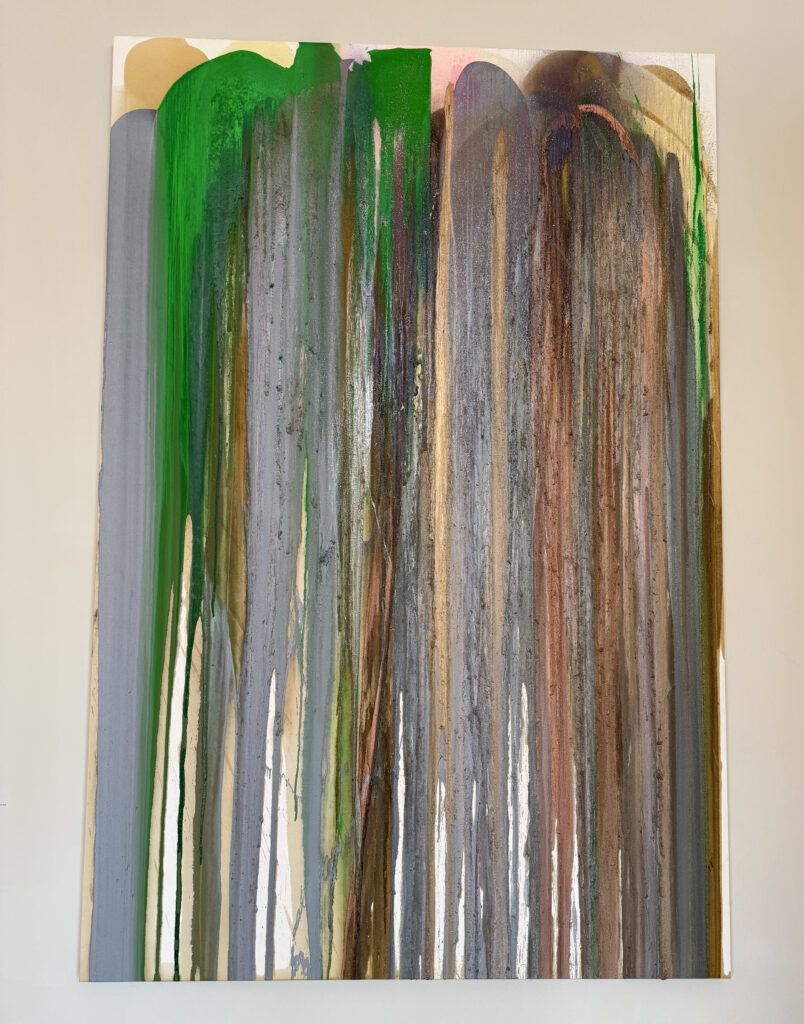
JOHN M. ARMLEDER; Geneva-born artist whose career now spans more than five decades, occupies a singular position in contemporary art-simultaneously playful and profound, rigorous and exuberantly open to chance. Rooted in the experimental currents of Fluxus and shaped early on by the spirit of the Group Ecart, which he co-founded in 1969. Armleder’s work continually dissolves the strict hierarchies of medium and genre. His practice, ranging from painting and performance to installations and iconic Furniture Sculptures, persistently questions what art is and what can it be.
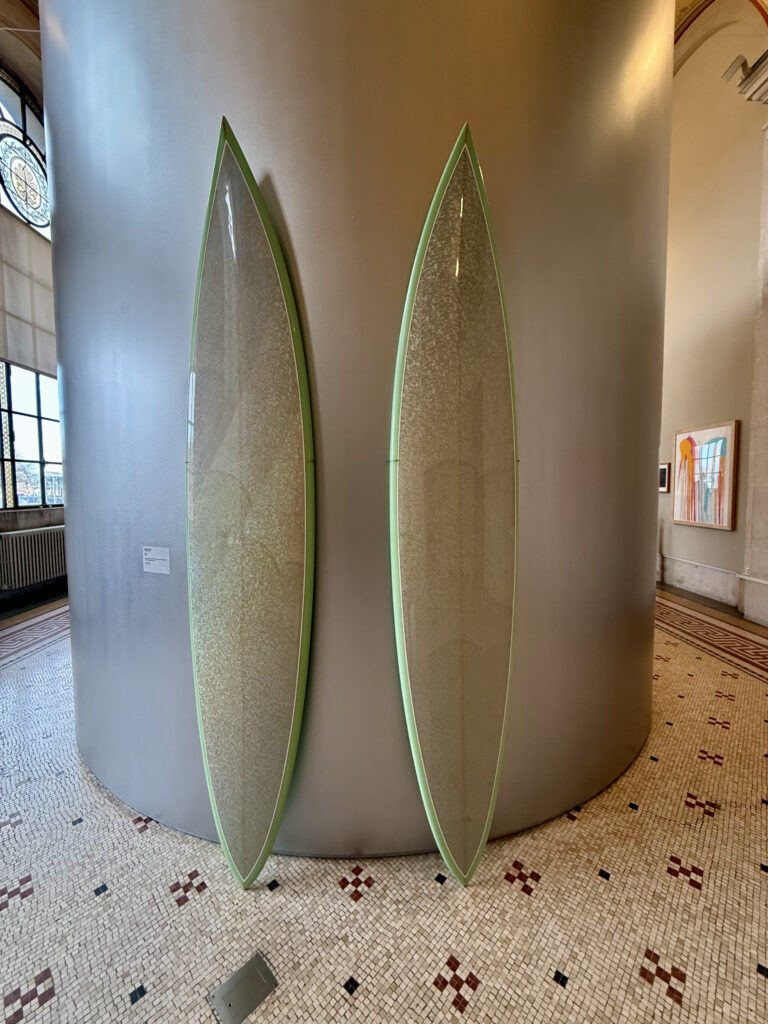
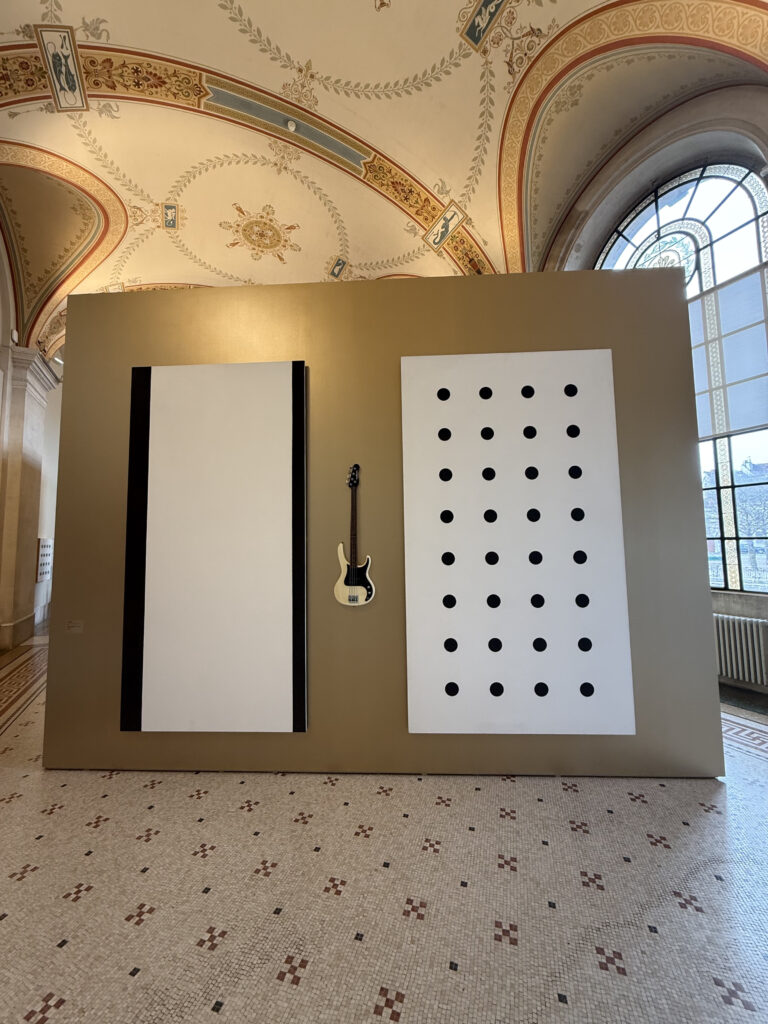
By Juxtaposing everyday objects with abstract forms, and by inviting the accidental and the poetic into dialogue, he creates a visual language that is both philosophical and rich in sensation.
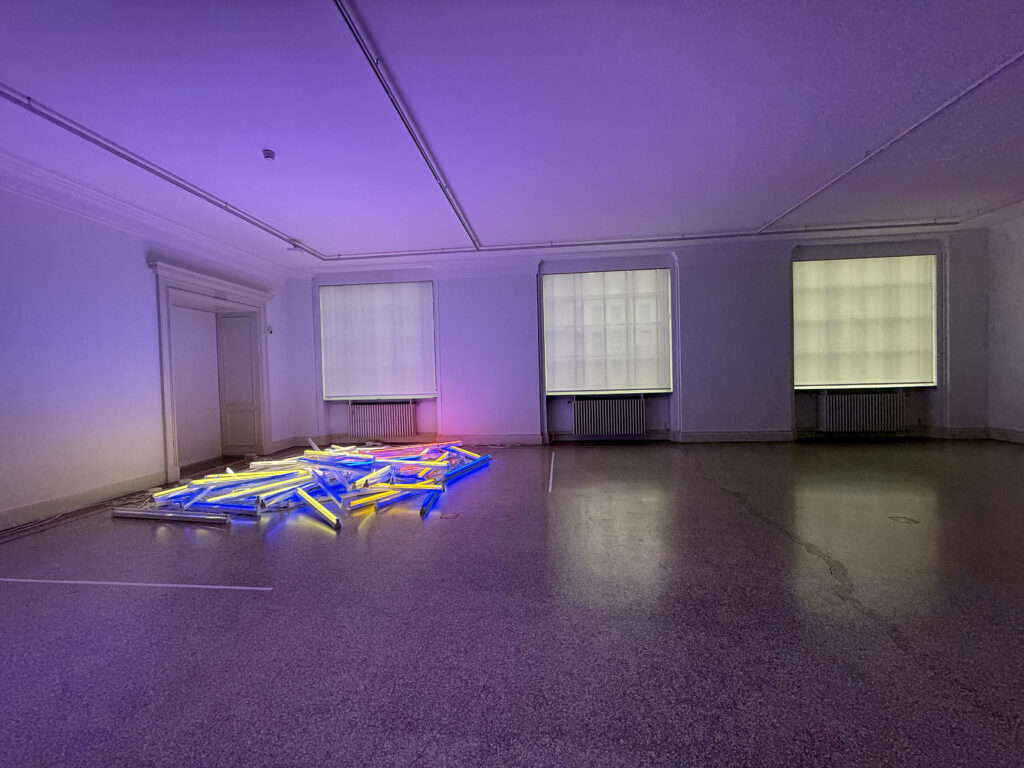
What is perhaps most striking in John M. Armleder’s sixth Carte Blanche at the Museum of Art and History of Geneva is the absolute contemporality of the gesture. At an age when retrospection often dominates, Armleder does the opposite: he surprises with a curatorial intelligence that feels radically contemporary.
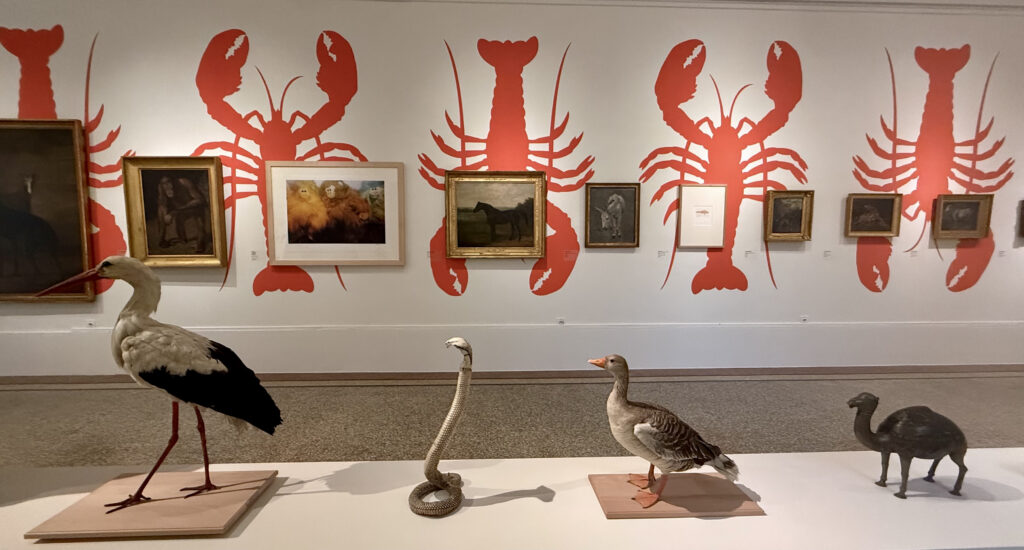
His intimate knowledge of the museum’s collection is evident throughout the exhibition, not as scholarly display, but as a lived familiarity, an understanding that allows him to move freely, confidently, and inventively within the MAH ‘s vast holdings. Objects, artworks, and motifs converse across time with ease, producing a narrative that is neither didactic nor nostalgic, but fluid, playful and resolutely present.
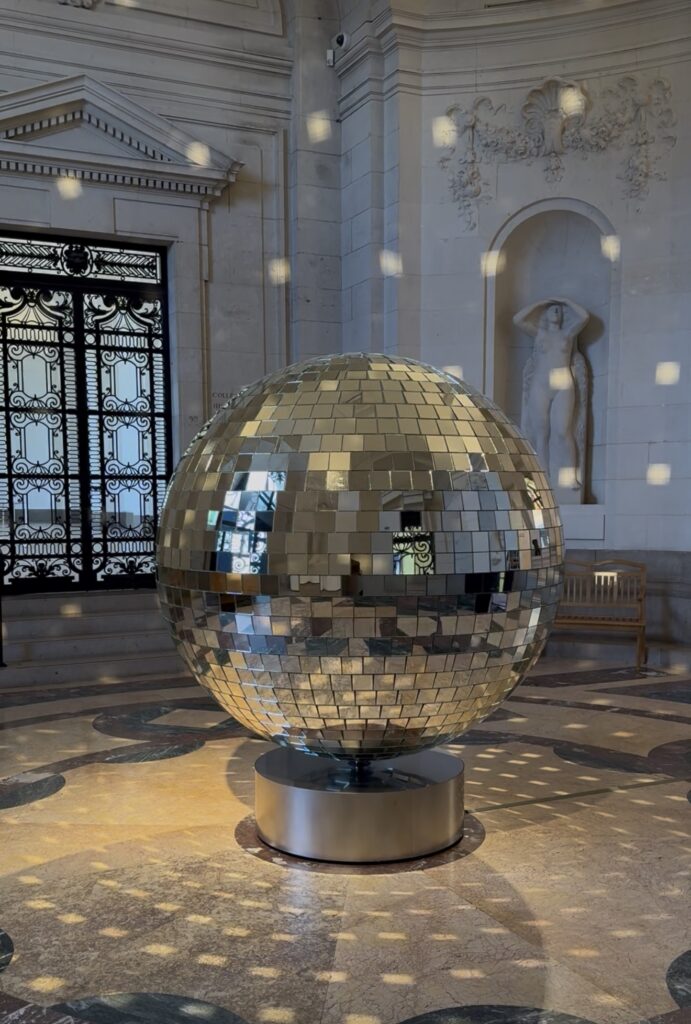
The exhibition OBSERVATOIRE, unfolds with remarkable precision beneath its apparent playfulness. Chronologies dissolve, hierarchies flatten, and unexpected dialogues emerge, generating a storytelling that is once playful, joyful, and conceptually rigorous. The collection is not illustrated but re-activated, staged in a way that feels strikingly new.
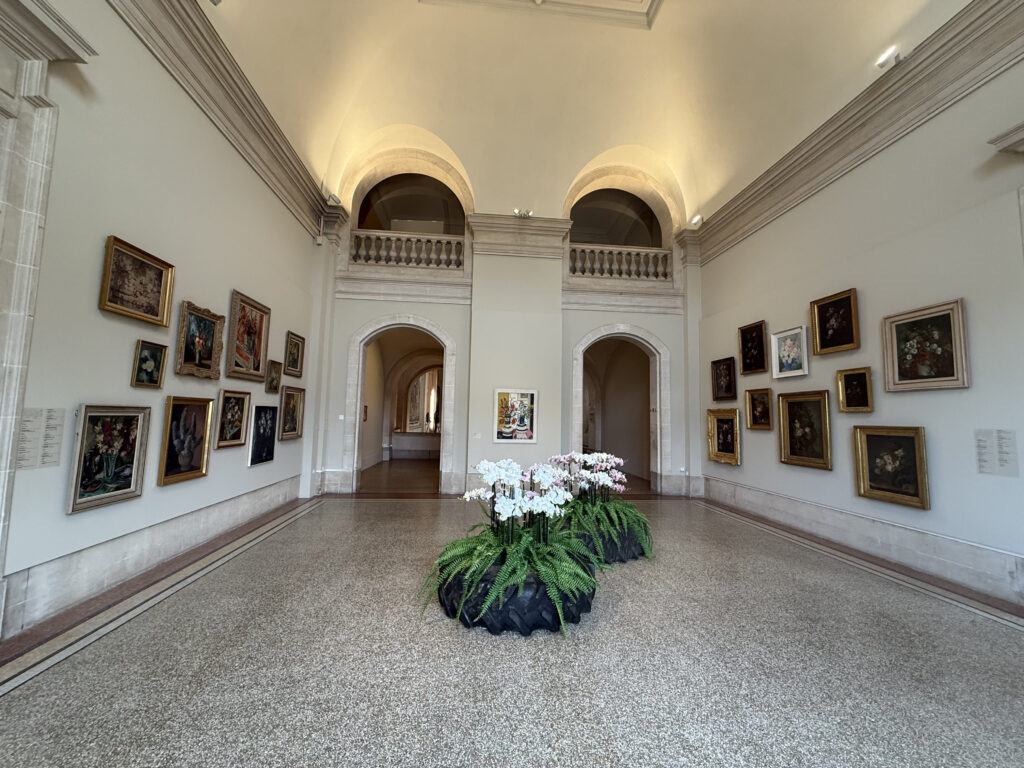
Among all the recent Carte Blanches, Armleder may be the eldest invited artist- yet paradoxically, he emerges as the most contemporary. His approach is deeply curatorial, grounded in knowledge yet liberated by imagination.
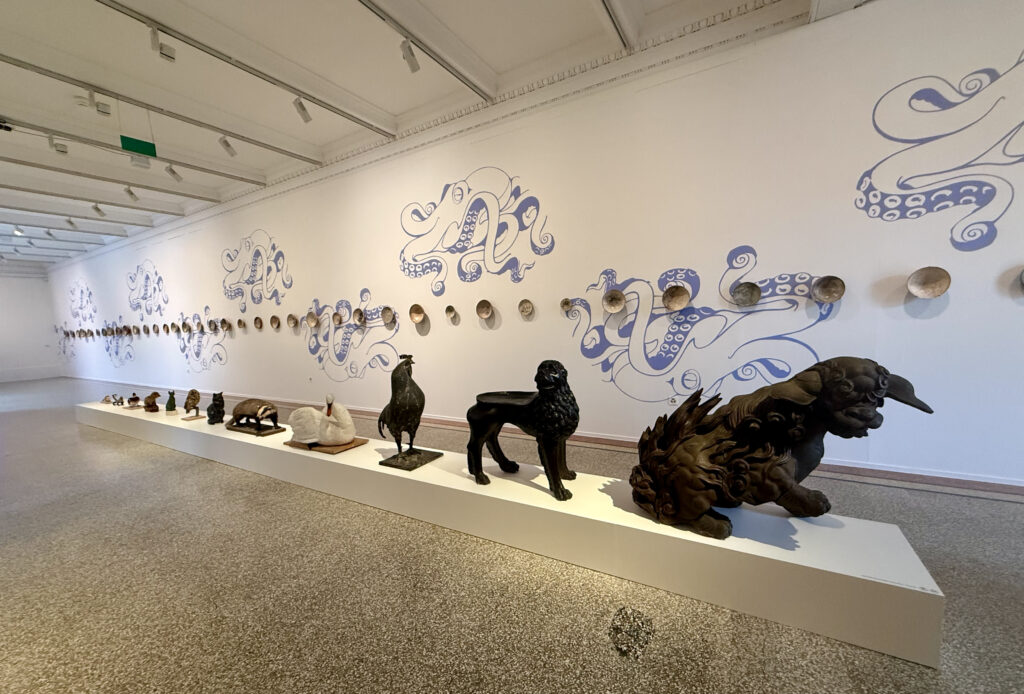
The result is an exhibition that opens new terrain for how a historical museum can be inhabited today: alive, vibrant, and resolutely forward looking.

