
Share this article:
Nazlı Kok Akbas:
Hello Nilbar Gures,
I’d love to interview you,
Nazli Kok Art Reports, Geneva, Switzerland
Best regards
NILBAR GURES:
Hello,
Where will it be published?
Best regards
NKA:
Hello
I was really pleased that you replied to my message.
Thank you so much indeed….
It will be published on my website and my digital art platforms respectfully. It will also be published in the Swiss magazine where I am the art editor for.
Thank you!
NG:
It could be a four-question interview.
Because I’m very busy
Best regards
NKA:
I understand perfectly,
thank you very much for taking your time.
I’ll send you the questions tomorrow.
I’m so delighted that you’ve agreed to my request for an interview, even if it’s in writing.
NG:
I will answer your questions tomorrow.
Waiting for them.
NILBAR GURES
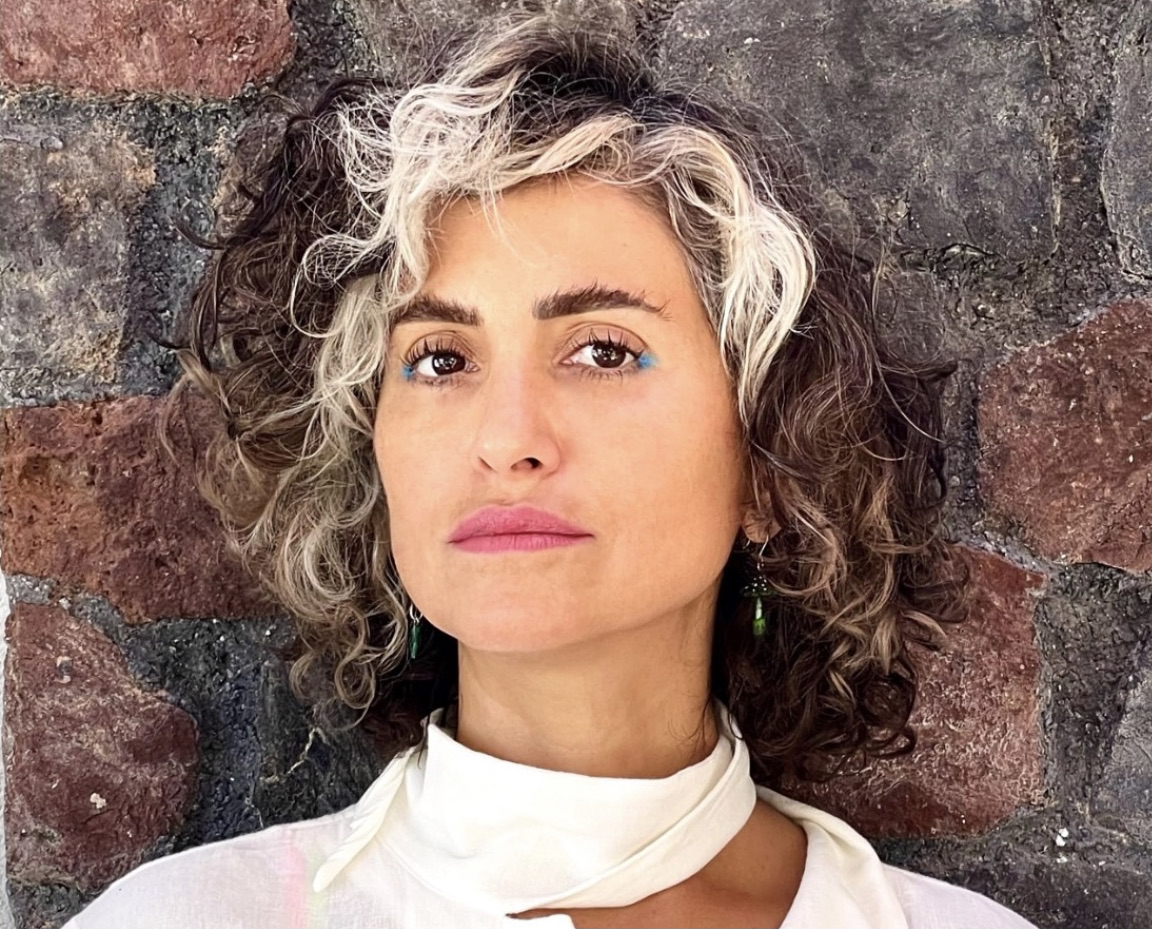
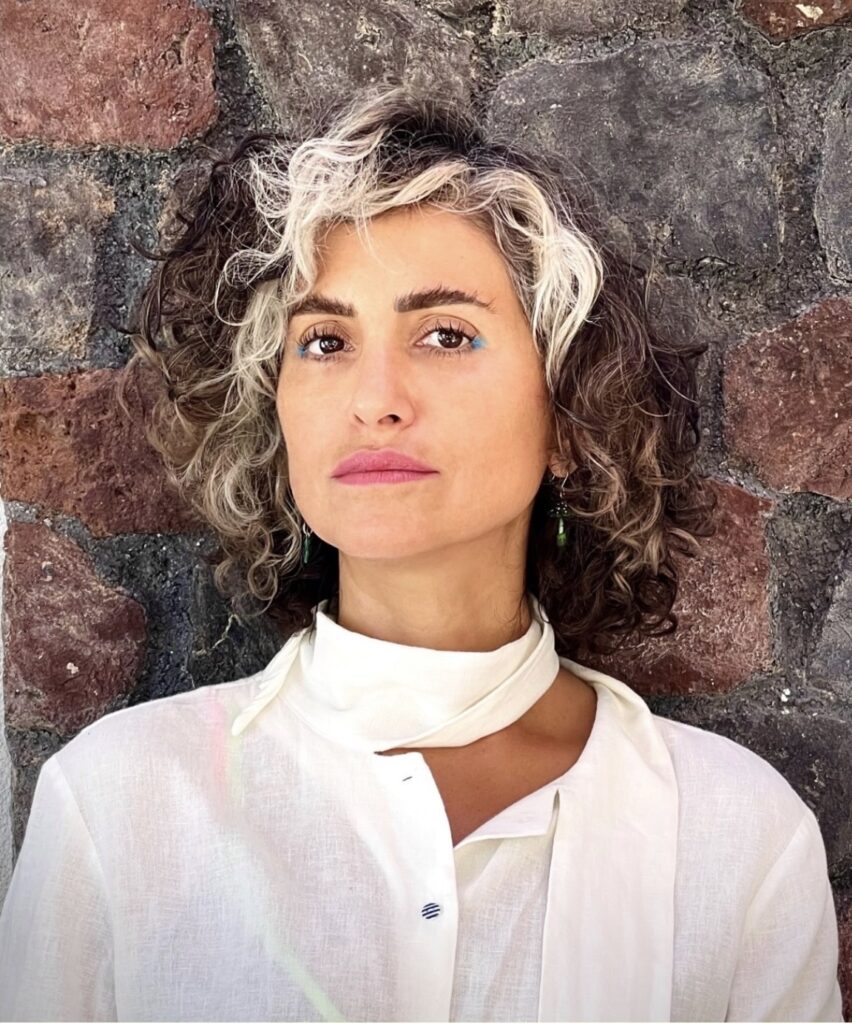
At the 61st edition of the Venice Biennale, the Turkiye Pavilion unfolds as a space of quiet insistence rather than spectacle. With “GOZLERINIZDEN OPERIM” (A Kiss on the Eyes) , Nilbar Gures does not simply represent Turkiye -she displaces it and reimagines it through bodies, fabrics, gestures, and fragile architecture of care.
A Biography written in fragments
Born in Istanbul in 1977, Gures belongs to a generation of artists whose trajectories are inherently diasporic -geographically, culturally, and politically. Educated between Istanbul and Vienna, and living between cities such as Naples, Vienna, and Istanbul, her practice is shaped by constant translation, between languages, identities, and visual regimes.
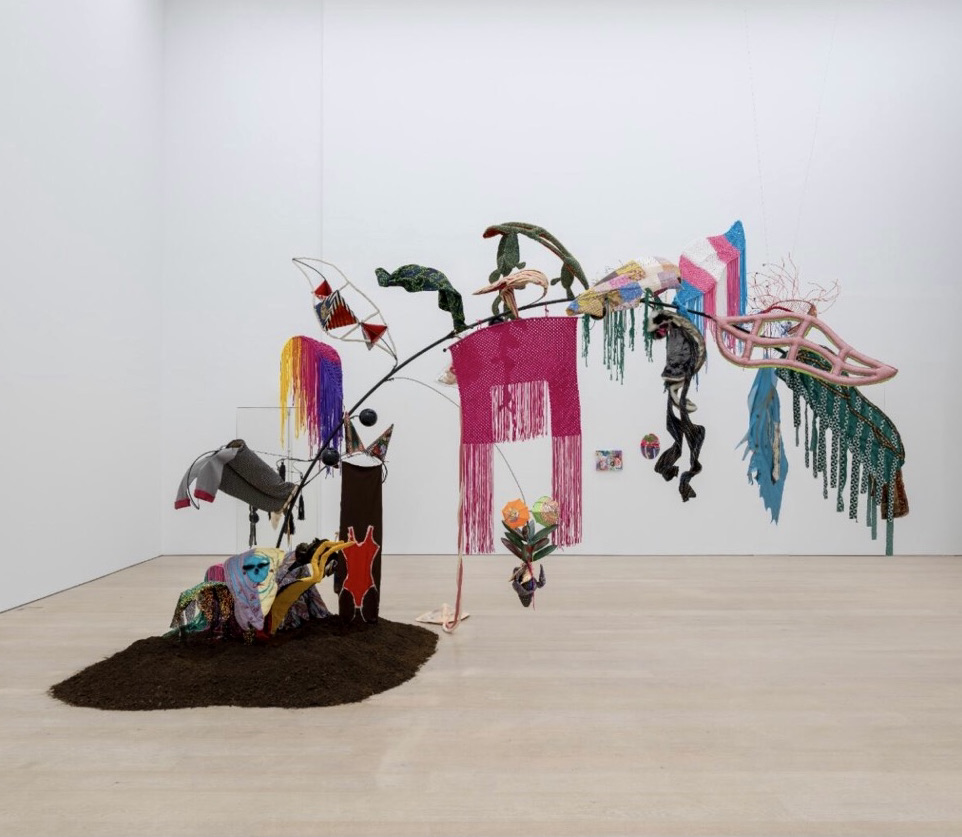
From her early photographic series to her later sculptural environments, Gures has persistently resisted fixed categorization. Her work unfolds across media – photography, textile, collage, video, performance, and installation- yet remains anchored in a coherent inquiry; how bodies negotiate systems of power.
What distinguishes Gures is not only thematic commitment to gender, migration, and cultural memory, but the tone of her critic. It is rarely declarative. Instead, it is oblique,humorous, sometimes tender – an aesthetic of subversion that operates through what might called soft resistance. Her figures are often partially concealed, entangled in fabrics, or engaged in ambiguous gestures – suggesting both constraint and agency.
Textiles function as both material and metaphor. They carry histories of domesticity, labor, and tradition, yet in Gures’s hands they become tools of disruption, re-coded surfaces where identity is negotiated rather than inherited.
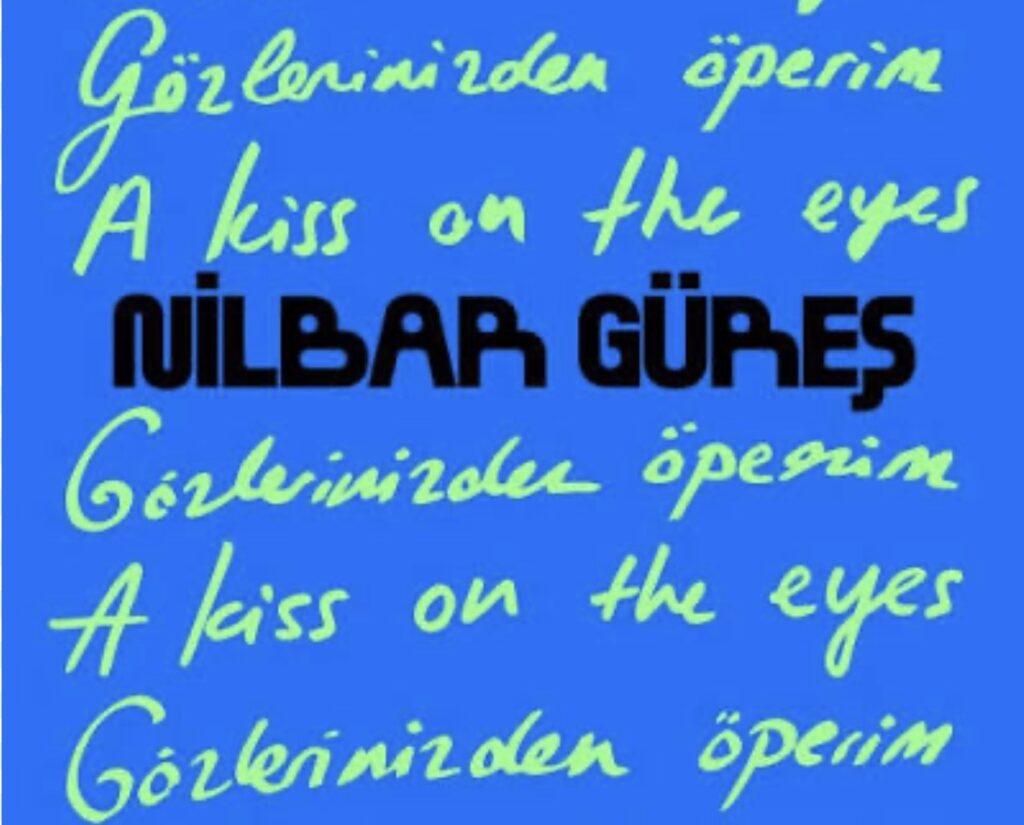
GOZLERINIZDEN OPERIM (A KISS ON THE EYES)
Curated by Basak Doga Temur, the exhibition Gozlerinizden Operim -a Turkish expression traditionally used in letters- introduces a disarming intimacy into the institutional framework of the biennale.
The curational framework of the 2026 biennale -IN MINOR KEYS- finds a particular resonant eco in Gures’s practice. Her work does not shout; it murmurs, insists, lingers. It operates in the “minor” not as a position of weakness, but as a strategy of disruption.
Gures consistently centers marginalized communities, not as subjects to be represented, but as agents of narrative transformation. Gender roles, displacement, xenophobia, and belonging are not treated as abstract themes but as lived conditions, inscribed onto bodies and everyday gestures.
In this sense, Gozlerinizden Operim (A Kiss On the Eyes) becomes less an exhibition than filed of relations. The viewer is implicated, drown into choreography of looking and being looked at -of proximity and distance.
The “kiss” of the title becomes ambiguous: is it an act of care, or a confrontation with the gaze itself?
ONLINE INTERVIEW WITH NILBAR GURES (Geneva-Istanbul)
NKA: What is the most confusing issue for you?
NG: My own artistic practice.
NKA: Let’s say you weren’t an artist – thank goodness you are– what would you imagine yourself doing?
NG: A pianist.
NKA: A project you’ve never tried, and one that’s been waiting in a drawer to be tried?
NG: A performance project.
NKA: What is your favorite book?
NG: The Time Regulation Institude
NKA: A film you can’t forget?
NG: Hunger (1966, a Nordic film depicting a writer’s struggle with hunger and poverty: Sweden-Denmark)
NKA: A song that’s stuck in your head?
NG: Matros (Aygün, an Azerbaijani singer, because I find those rebellious lyrics and theatrical vocal style so entertaining)
NKA: And the work of art that first come to mind when you close your eyes?
NG: Valie Export’s Genital Panic,
NKA: Would you like to give these words a new meaning from your own grammar please?
NG:
Lace: Installation
Velvet: Skin
Plastic: rubbish
A man wearing a skirt: A male shaman priest.
A woman with a moustache: All women
Epilation: Turkish waxing parties
A woman who doesn’t want to have children and sees this as her own choice: A person who is not going with the flow, who is fighting against the status quo.
A man who questiones his identity issues: Balanced hormone levels
Mother: Retirement in the grave
Grandmother and grandfather: History and memory I’ve lost because I couldn’t learn Kurdish.
Father: Father’s language
Night: Day (because I work at night)
Flower: Rose
Dream: Prophecy
Nerves: Sensitivity
Language: Character
NKA: When you’re preparing for an exhibition; what motivates you? And what is your biggest concern?
NG: My biggest concern is having to produce work in a rush. During the production process, I find myself going along with the production team to avoid upsetting them, only to regret this attitude once the work is finished.
(This happens to me quite often…)
My tendency to avoid conflict can sometimes lead to frustrating outcomes in my artistic work.
NKA: When I was little girl, I used to round off the sharp tips of all the prickly plants in the house; I was afraid I might get pricked by one, or that my balloon might burst on my birthday, 🙂 in your case Nibar,
What does the cactus tell you?
NG: A cactus protects itself from its surroundings with its spines; these spines prevent other creatures from getting too close.
A cactus manages with very little water; it’s a master of survival. If you take it out of its pot, it’ll grow into a tree.
It represents me.
NKA: What a wonderful answer,
Thank you so much, Nilbar, for taking your time and for your sincere answers.
This has been one of the most enjoyable interviews I’ve had recently.
Thank you very much indeed.
NG: ❤️
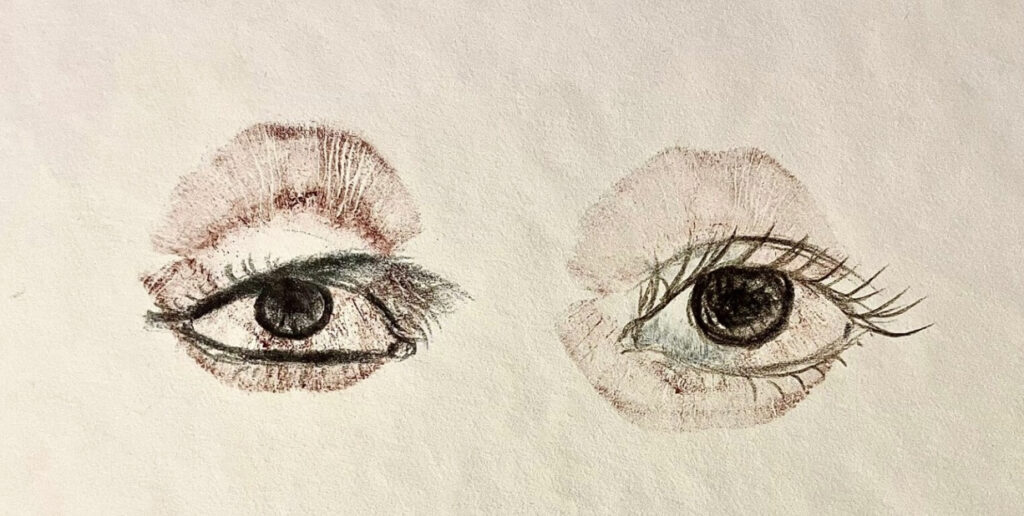
NKA: I would like to end up our conversation by saying, hope to see you in Venice, until then, GOZLERINIZDEN OPERIM, (A Kiss on the Eyes) Dear Nilbar.

