Post-pandemic shifts, local powerhouses, and the rise of the local art fairs as a global art-fair beacon.
Nazli Kok Akbas, Art Editor, Geneva-Switzerland
Share this article:
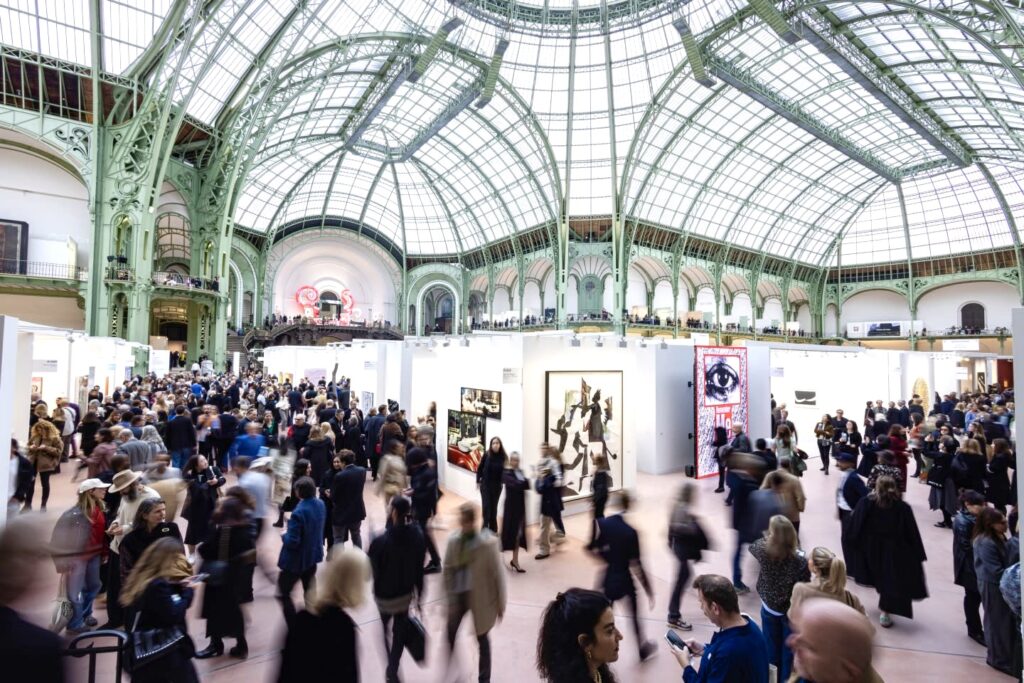
The art fair has survived the pandemic, but it was not emerged unchanged. Once dominated by a relentless calendar of mega-fairs, the post-pandemic art world now moves with careful selectivity. Galleries, collectors, and cities alike are redefining value: fewer fairs, sharper strategies, and the unexpected rise of local events as cultural and market powerhouses. Among them, Art Basel Paris in 2025 exemplifies this new logic, combining global reach with local depth, and redefining what a “successful” fair can be for the participants and the organizers.
Before 2020, the art-fair calendar surpasses 400 events annually, driving an economy of perpetual motion. The Pandemic halted this rhythm, forcing reflection. By 2025, fairs number around 370-380 worldwide-fewer than the pre-pandemic peak- but the participation is far more strategic.
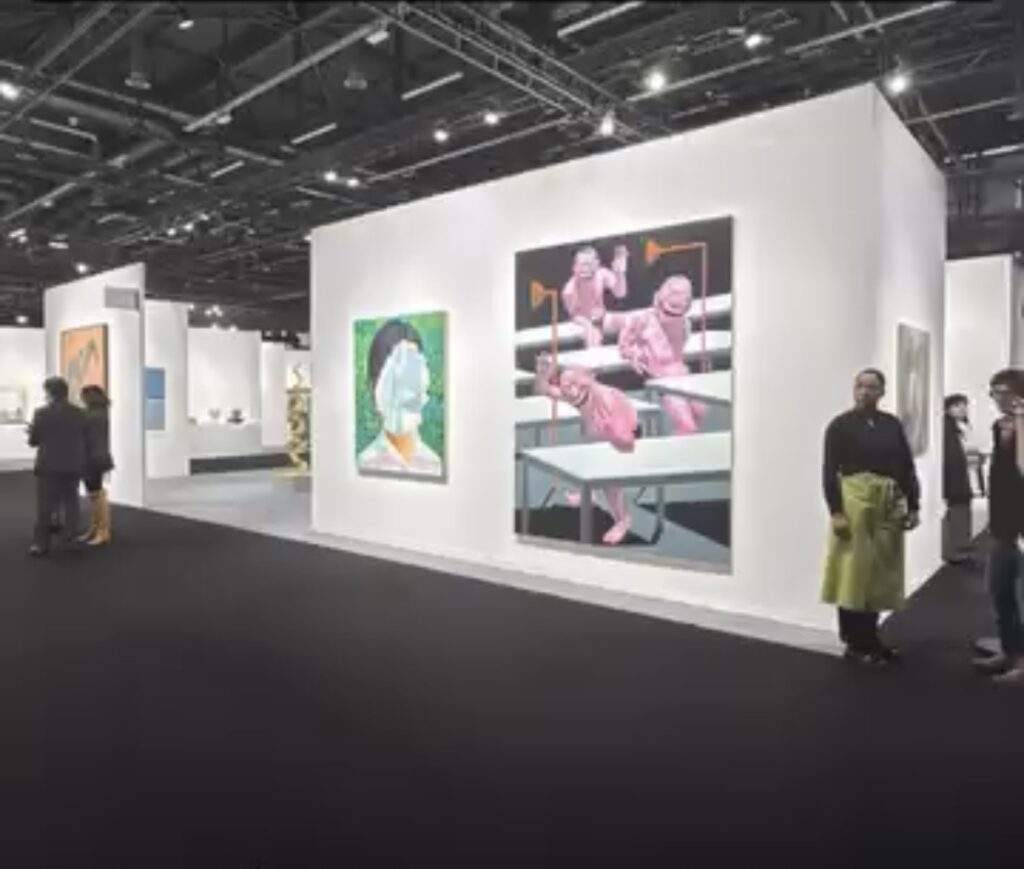
Approximately 10 to 15 art fairs during a year are recognized as highly influential and genuinely international, setting the tone for the global art market and shaping curatorial, commercial, and institutional agendas. Concentrated in key cultural capitals, such as Basel, Paris, London, New York, Miami, Seoul, and Hong Kong these fairs attract the worlds leading galleries, collectors, museum professionals and artists. Beyond their commercial role, they function as strategic platforms where artists trends are consolidated, market values are tested, and the international visibility of contemporary art is actively produced.
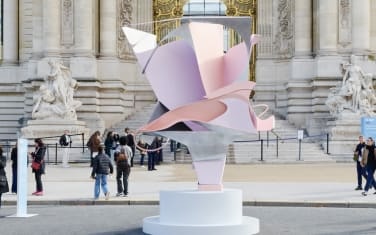
In a year period around 15 highly influential international art fairs represent a threshold rather an expansion to be celebrated. With a simple calculation, even for a well-established international gallery, the existence of 15 international art fairs per year effectively implies near-monthly participation, a rhythm that is logically, financially, and humanly unsustainable. Such frequency places heavy strain on staffing, shipping, production, and artist commitments, often stretching resources to their limits.
While these fairs remain strongly attended many professionals point to the notion of “Fair Fatigue”, rising costs, and logistical pressure on galleries as a sign that the number may be at the upper limit of sustainability rather than a comfortable norm. This reality has reinforced and accelerated a shift toward highly selective, strategic participation, in which galleries prioritize relevance, timing, and long-term positioning over constant visibility.
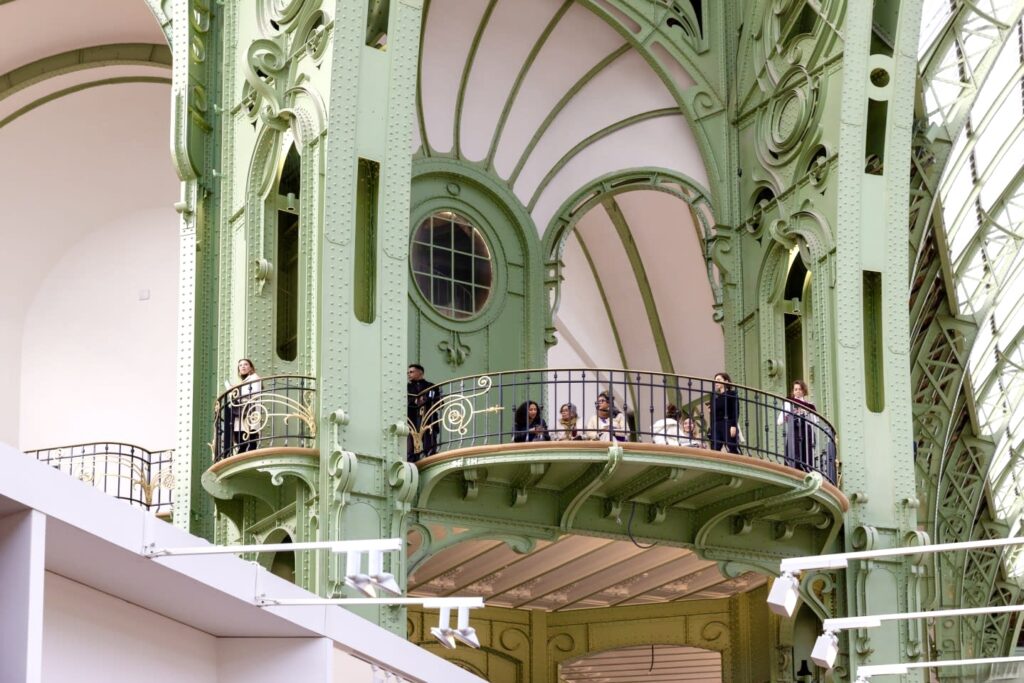
In response to the pressure of the global art fair circuit, local art fairs have gained importance, offering more private, yet internationally impactful, event-oriented settings than blockbuster art events.
Rooted in specific cultural, institutional, and collector ecosystem, the local art fairs offer a more sustainable rhythm, lower cost, and deeper engagement with the regional audience. The charm of the City amplifies the significance of these fairs through networks of museums, galleries, foundations, and parallel exhibitions, often supported by a strong commitment from public institutions and the government’s cultural policies. Local and regional fairs are no longer secondary players.
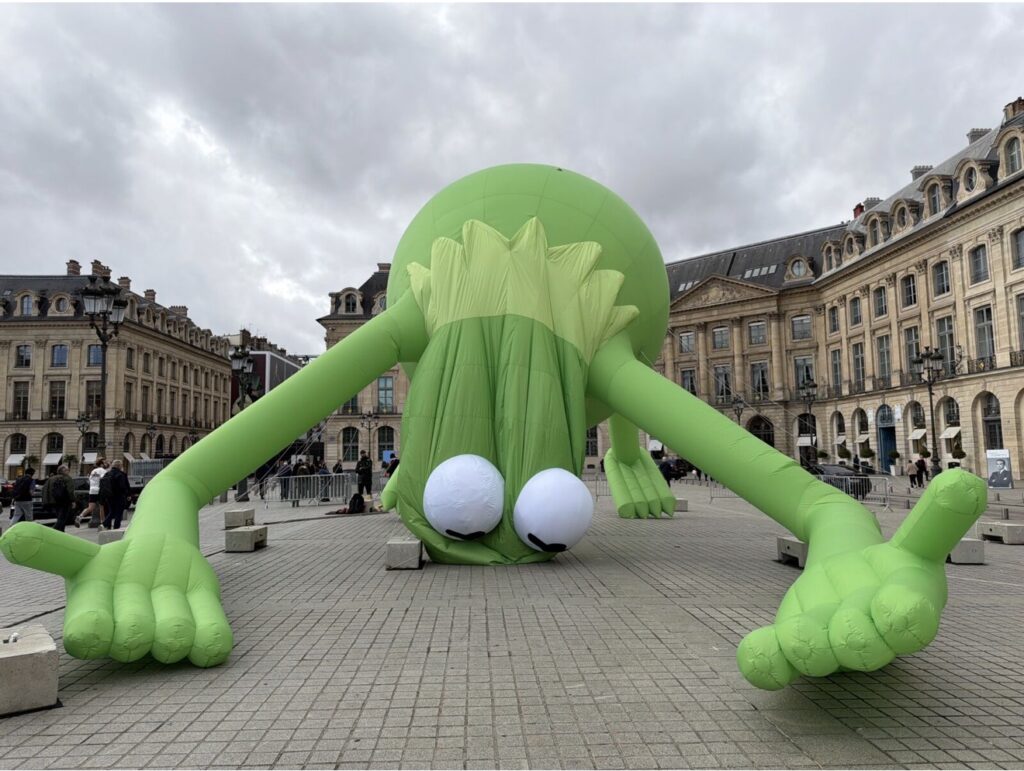
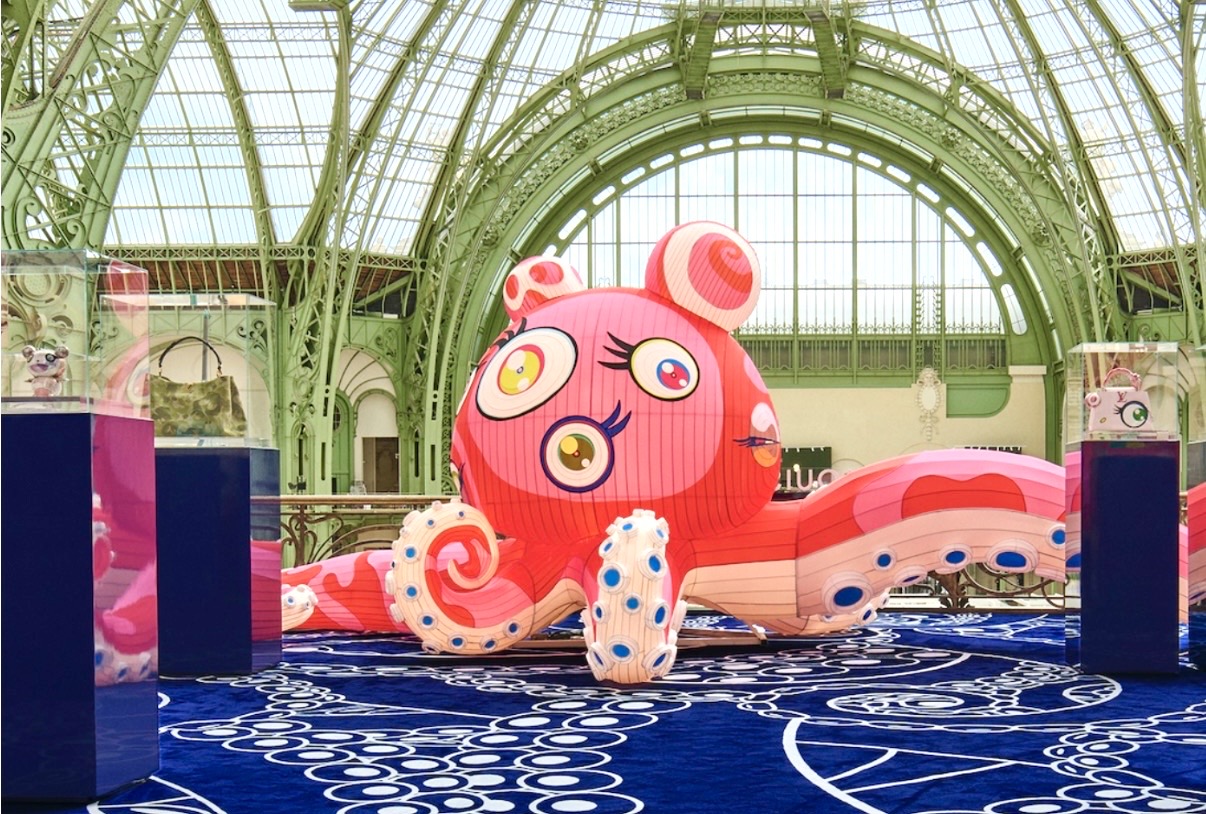
Reduced costs, deeper engagement with collectors, and cultural context make them attractive to galleries of all sizes. Events that were once “regional” have gained global significance, offering time, narrative, and relationship-building that four-day international spectacles often cannot. Paris in 2025 exemplifies this very well: a local fair with superlative global resonance. For the first time the fair is expanding its presence beyond the iconic Grand Palais to include immersive public installations across Paris, making art more accessible to a broader audience. The cross-disciplinary projects signals a forward-looking approach that redefines how art fairs can inspire, educate and connect communities worldwide.
THE ROLE OF ART GENEVE IN BRIDGING LOCAL PRESENCE AND INTERNATIONAL INFLUENCE
As the Art fair calendar continues to adjust, Art Geneve 2026, as a key cultural hub, encapsulates the evolving logic of art fairs. Founded in 2012 and now entering 14th edition, Art Geneve has steadily established itself as a key opening act in the European art calendar, bringing together more than 80 international galleries and around 27 institutional projects in Geneva each year. Unlike spectacle -oriented mega-fairs that dominate headlines, Art Geneve exemplifies the intimate, dialogue-driven model that characterizes many of today’s most vital “local” fairs. In contrast to some blockbuster events that can overwhelm visitors with sheer volume, Art Geneve’s human scale and curated spirit create a space where discourse and encounter take precedence.
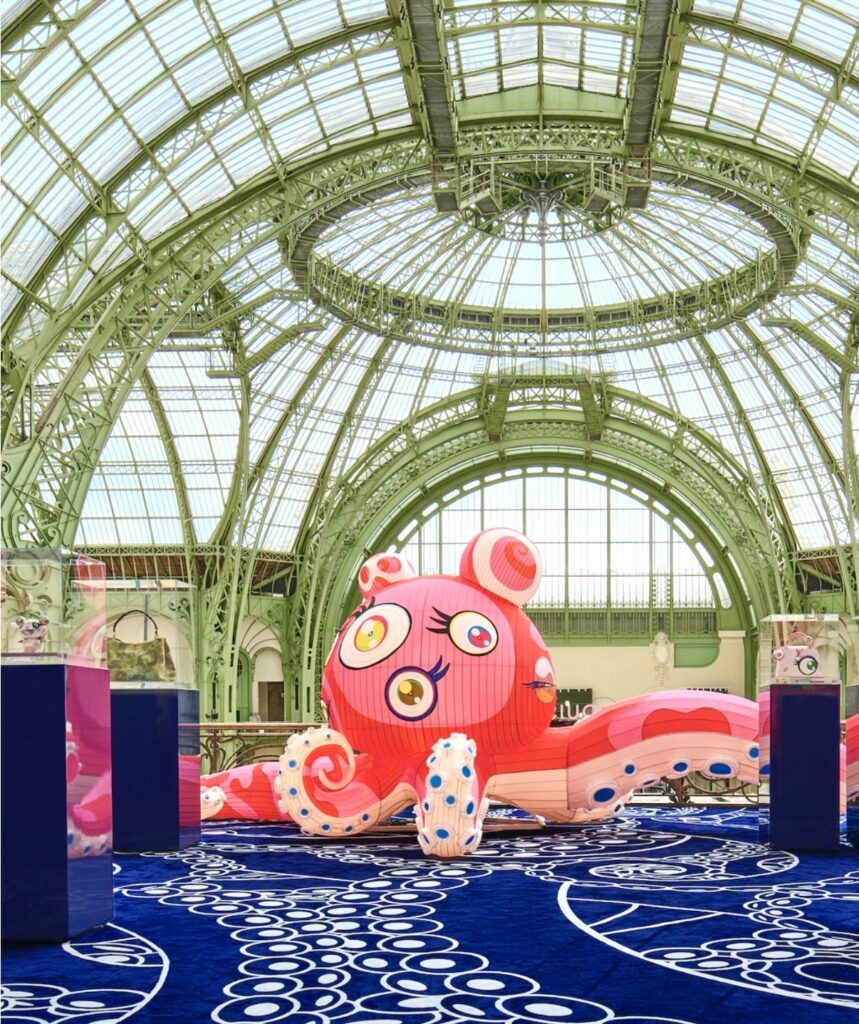
As galleries and collectors refine their strategies in a landscape of fewer, more selective engagements, Local fairs with a global resonance stands as a reminder that the future of fairs may not depend on ever-greater scale, but on authentic engagement, diverse programming, and deep connections between art worlds both local and global.
Nazli Kok Akbas,january 2026

