
Share this article:
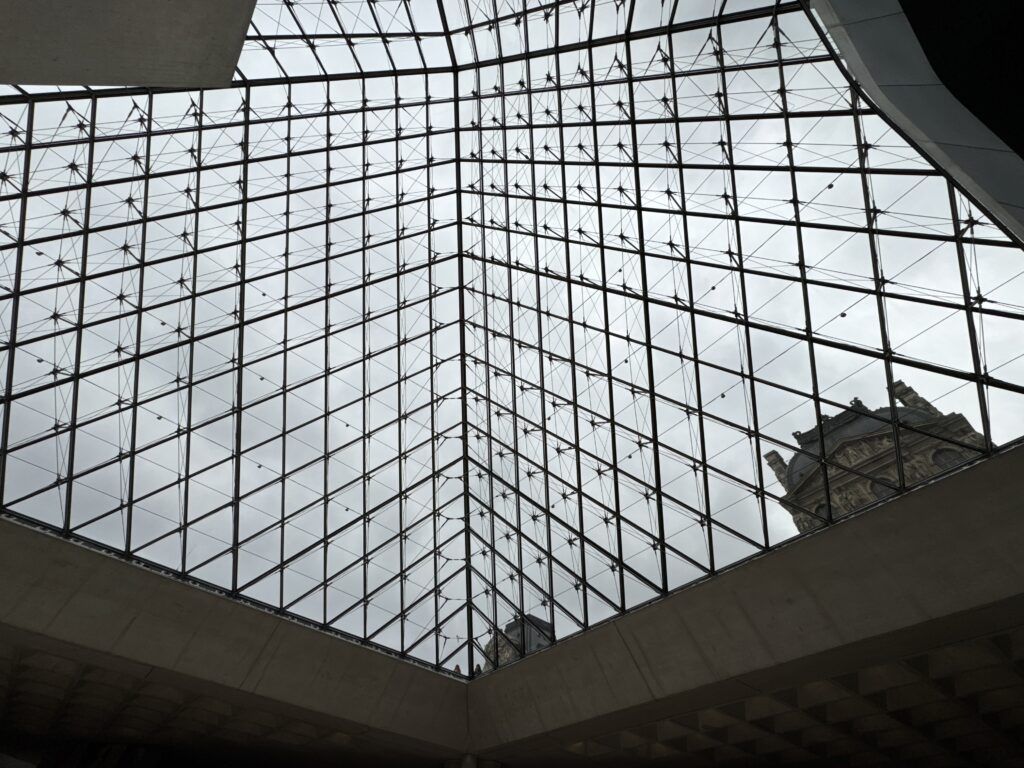
In the past months, Louvre Museum has not been in the headlines for an exhibition, but for a chain of unsetting events. A spectacular heist in the Galerie d’Apollon -involving jewels once associated with Empress Eugenie shock the public. Then came revelations of long-running ticket fraud. Shortly after, water leakage damaged a 19th -century painting. And nowadays, employees are striking again and again.
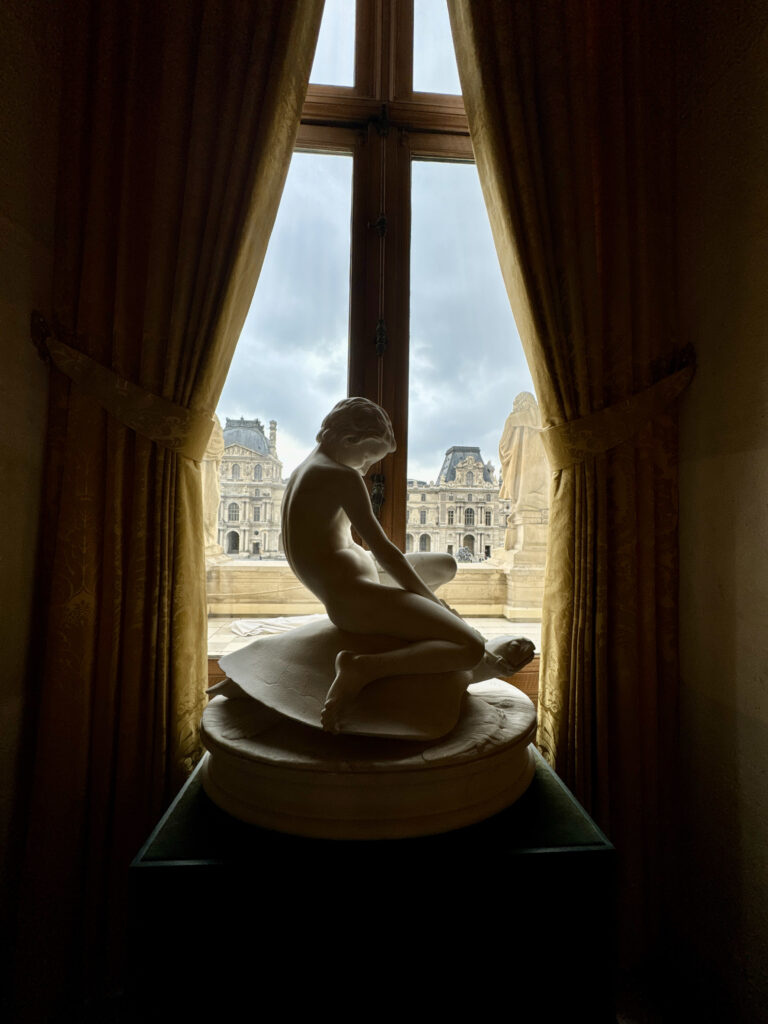
Each story is serious enough on its own. Together, however, they form an alarming pattern, suggesting that the institution is under strain.
The Louvre is not just a museum; it is a symbol. It represents national heritage, cultural authority, and a certain idea of permanence. When crown jewels are stolen, it is not only a security failure – it is a symbolic wound. When ticket fraud is uncovered, trust erodes. Similarly, when water damages art, we are reminded that preservation is not just an aesthetic consideration; it is also a technical and financial challenge. When staff strike, it signals that the internal structure is as vulnerable as the walls.

WHAT IS BEHIND ALL THESE?
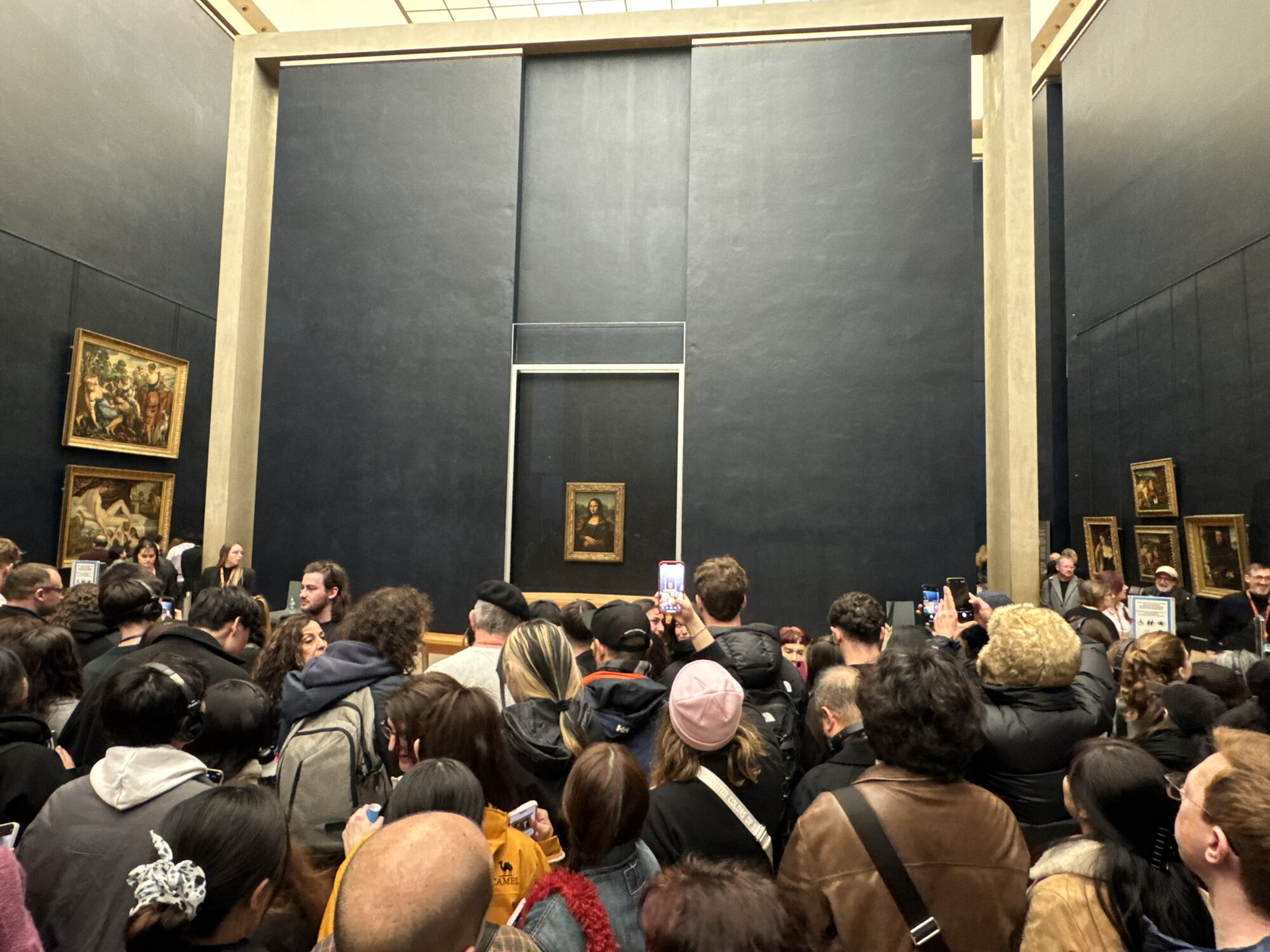
The deeper issue seems structural. The Louvre receives approximately 9 million of visitors over the year, it is the most visited museum in Europe and in top three most visited museums globally. Louvre Museum carries enormous expectations -political, financial, cultural. It must be accessible, profitable, globally attractive, and impeccably secure at the same time. This is an almost impossible balance.
The recent ticket fraud is not merely a financial crime estimated at nearly 10 million euros over a decade -it is a fracture in the symbolic contract between institution and the public. Tour guides, especially working with Chinese visitor groups, are alleged to have reused the same ticket multiple times to let many more people in than the ticket was valid for. This meant some visitors entered without paying appropriate entrance fee, or scanning the same ticket again and again.
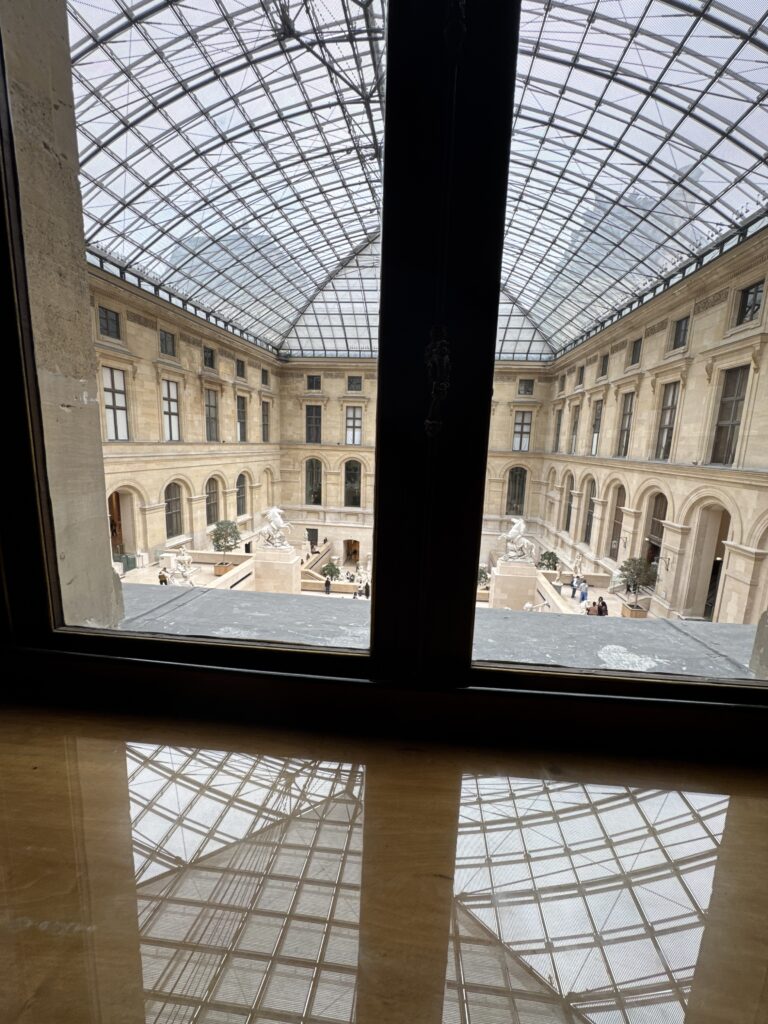
Some Louvre employees were paid to ignore the ticket reuse so the fraud could continue. The alleged system, system involving tour guides who reportedly reused group tickets multiple times and employees accused of turning a blind eye, reveals something more unsetting than administrative weakness: it exposes how mass tourism can transform a temple of culture into a logistical machine vulnerable to exploitation.
The Louvre’s grandeur depends not only on masterpieces but on trust -trust in governance, fairness, and stewardship. This scandal suggests that the pressure of managing millions of visitors annually may have quietly compromised that equilibrium, reminding us that even the most monumental cultural institutions are fragile human systems beneath their marble facades.
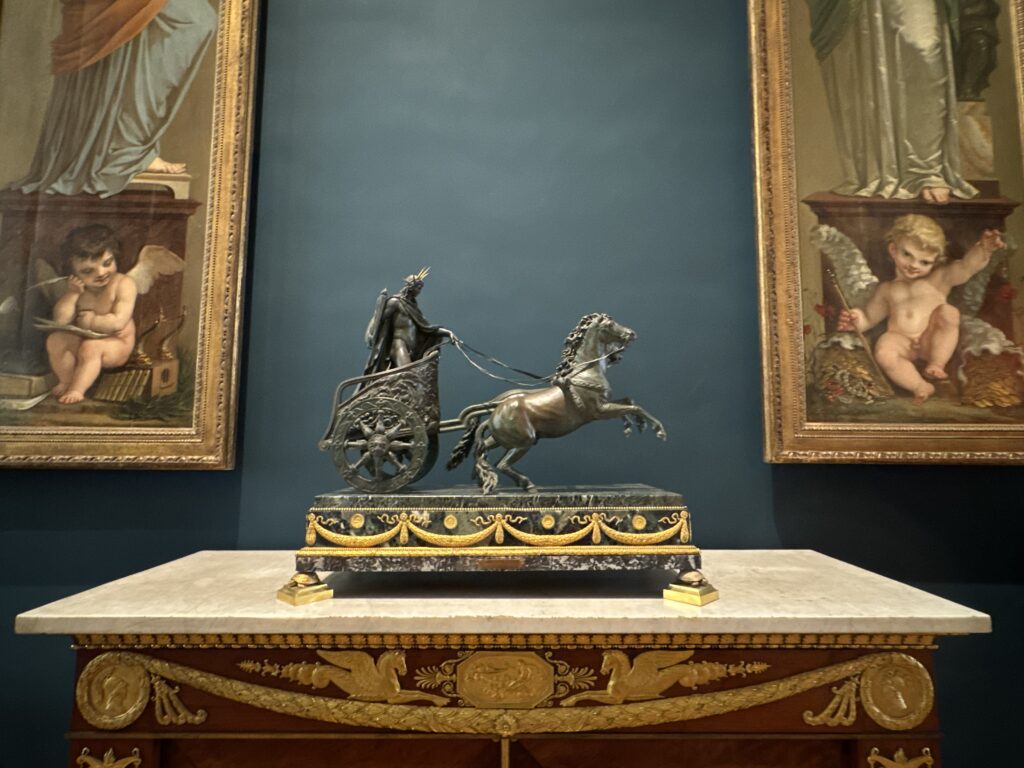
Taken together, these problems have naturally intensified the perception that the louvre’s governance and risk management is failing.
LOUVRE NOUVELLE RENAISSANCE PROJECT
This plan is a grandiose renovation that would create a dedicated Mona Lisa Gallery, a monumental new entrance, improved visitor circulation, and other upgrades. The project has been initially estimated at around 700-800 million euros but later reassessed closer to 1.15 billion Euros.
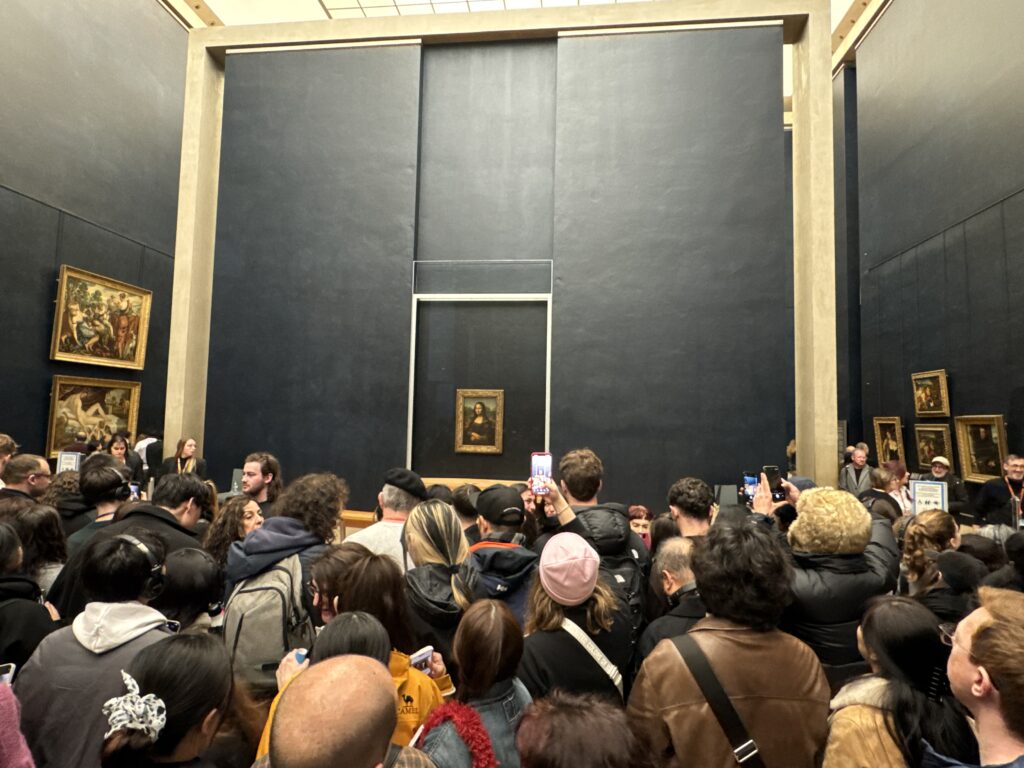
With emergencies unfolding -leaks and façade damage threatening the collections, a heigh profile heist revealing security gaps, ticket fraud eroding trust, and strikes highlighting understaffing- may argue that priorities are skewed. In this climate, unions and cultural watchdogs have called for a reordering of priorities.
In practice today, the project hasn’t been formally postponed in legal terms, but it is effectively slowed, debated and conditional on restructuring museum investment priorities. Decisions on timeline, funding and sequencing are being reconsidered by the ministry of Culture as part of broader reforms in response to the Louvre’s cascade of operational crises.
A BROADER MUSEUM PATTERN
The Louvre’s situation is not entirely unique. The British Museum has recently faced its own theft scandal, raising similar questions about security and oversight. In New York, the Metropolitan Museum of Art continually wrestles with funding models, restitution debates, and the financial pressure of maintaining vast historic buildings. Even Uffizi Galleries confronts challenges of overcrowding and conservation fragile Renaissance spaces.
What we see, therefore, is not the fall of one institution, but a shared global tension: how major museums -symbols of stability- adapt to contemporary economic, political, and infrastructural realities.
Perhaps what we are witnessing is not a scandal cycle, but a moment of truth: a reminder that even the greatest cultural temples are human systems. They depend on infrastructure, labor, funding, and ethical management.
HOW DOES THE LOUVRE RECOVER
Structural Reform Before Spectacle
The ministry of Culture will need to prioritize infrastructure, staffing and security before prestige architectural ambitions. Transparent investment in conversation systems, surveillance modernization, internal auditing and staff reinforcement will be essential. Public trust rebuilds not through grand announcements, but through visible structural correction.
Governance and Transparency
Clear communication about reforms accountability management and measurable improvements in oversight will signal lessons have been learned.
Rehumanizing the Institution
Reinvesting in staff restores not only functionality but moral credibility.
The Louvre’s greatest strength is its symbolic weight. That same symbolic power can help it recover. In the long term this period may be remembered not as decline but as recalibration. The future of Louvre depends on rebalancing its dual identity: it must remain the world one of the most visited museums yet also reassert itself as the most responsible steward of heritage.
Crises of trust are painful. But for the institutions built on centuries of history, they can also become foundations for a stronger, more transparent, and mor ethically grounded future.


Merci pour cette information dont je n’en connaissais qu’une partie. L’article est très intéressant. Ayant visité plusieurs musée récemment, je ne peux que regretter ces abus. Il est bon de rappeler que les musées ne sont pas des biens de consommation.