
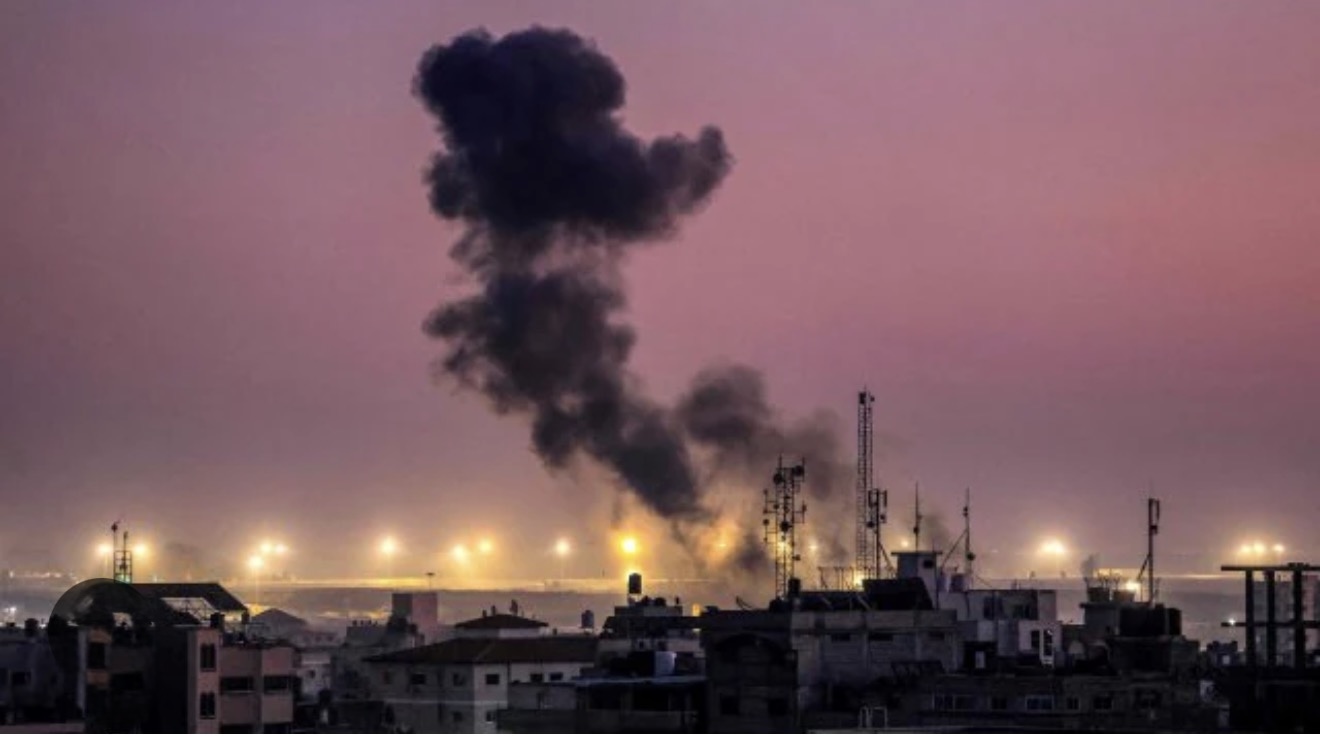
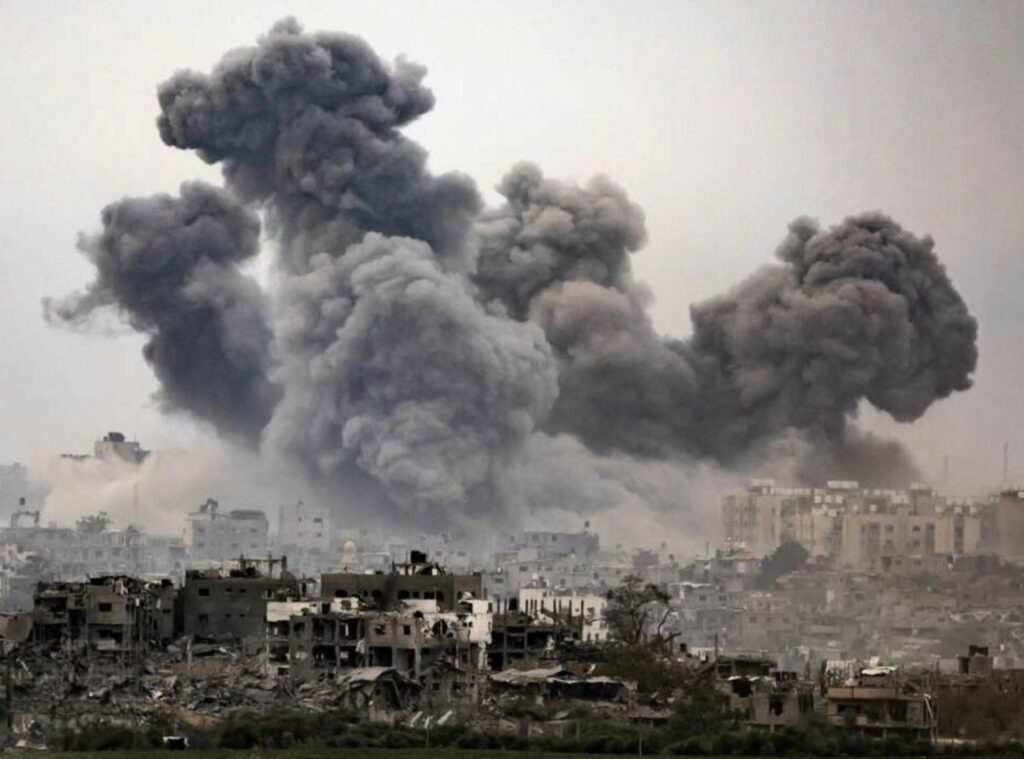
In moments of geopolitical escalation, attention gravities -understandibly- to borders, oil routes, airspace closures, and diplomatic rhetoric. Yet beneath the visible theatre of war lies another quieter front: MUSEUMS.
There are several hundred museums and heritage sites in the Gulf region and in the conflict zone around Iran. Saudi Arabia reports 300 museums across the kingdom, while the other monarchies collectively host dozens more major institutions. Cultural institutions have become central to national identity and global diplomacy in the Gulf region, so the question is no longer theoretical.
Let’s take a look at some statistics from UNESCO documents on the number of museums in the conflict zone.Iran, has around 840 museums across the country, with approximately 300 administered by the Ministry of Culture. This reflects the country’s deep historical and archaeological tradition, and there are also around 29 UNESCO World Heritage Sites spanning ancient cities, palaces, and archaeological landscapes. According to UNESCO documents, Syria has 40 museums and Lebanon has around 21.
These numbers matter a lot because they indicate that the conflict zone is one of the most museum-rich cultural landscapes in the wider Middle Eastern area.
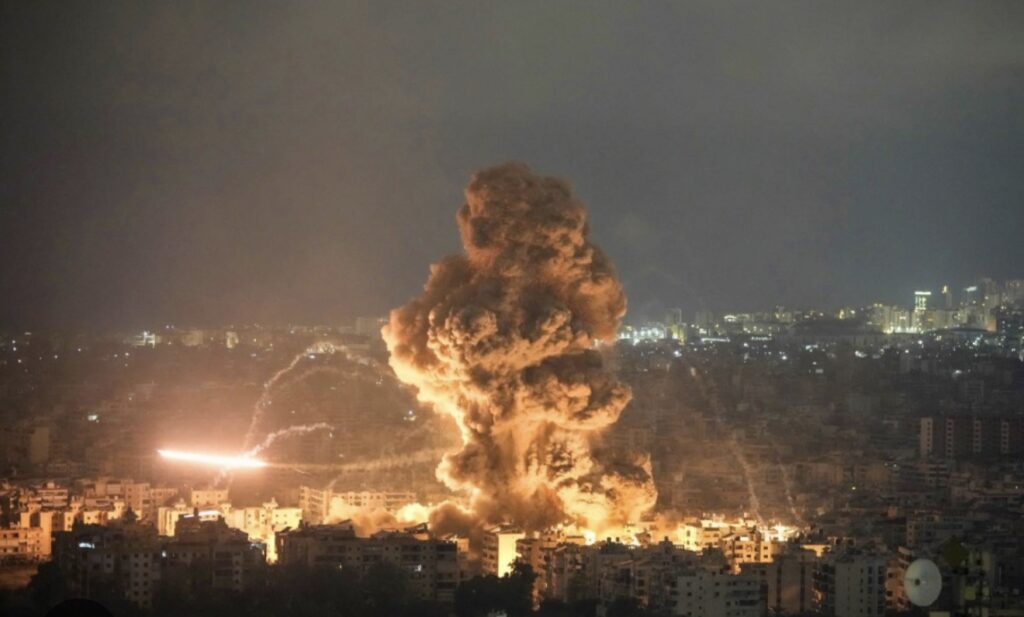
WHAT HAPPENS TO ART WHEN THE REGION IS UNDER FIRE?
During periods of acute regional tension, institutions like Museum of Islamic Art and National Museum of Qatar, the backbone of one of the most ambitious cultural projects in the contemporary Arab world, typically move into precautionary mode. Public- facing programming is suspended. Visitor access is restricted or temporarily halted. Loans abroad are reassessed.
Internally, collection management teams implemented emergency protocols: securing works in climate-controlled storage, reinforcing vulnerable display areas, reviewing fire suppression and impact mitigation systems, and ensuring that digital inventories and insurance documentation are up to date.
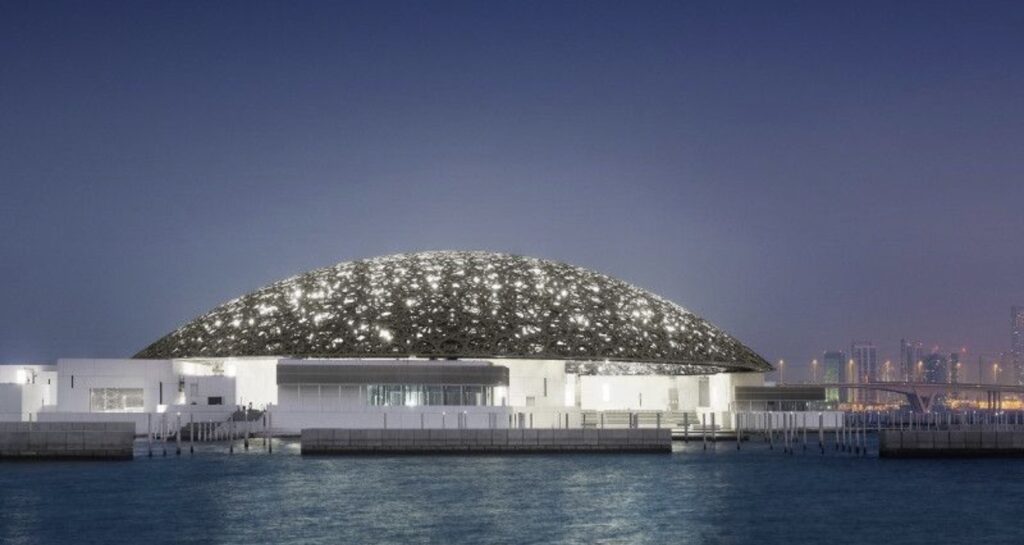
The same for The Louvre Abu Dhabi that stands as a monument to cross-cultural partnership, housing works spanning ancient civilizations to contemporary art under its vast dome. It is both a museum and a geopolitical statement: culture as diplomacy, dialogue as architecture.
Institutions in the United Arab Emirates operate with advanced preservation technologies, sealed storage vaults, strict climate control, high -level security.
Yet the paradox remains: the more a museum becomes symbol of global integration, the more it becomes symbolically exposed.
A masterpiece on Saadiyat Island in not merely a painting; it is a symbol of international cooperation. Its protection is therefore entwined with national reputation and soft power.
For Gulf monarchies, safeguarding museums is not only about preserving art works. It is about preserving narratives of stability, and cultural cooperation carefully constructed over decades.
IRAN, AN ANCIENT CIVILIZATION IN CONTEMPORARY CONFLICT
Iran represents a different, and in many ways more precarious, scenario. Its cultural landscape encompasses millennia: The ruins at Persepolis, Safavid architecture, Qajar palaces, and vast archaeological deposits still under study. The Magnificent National Museum of Iran in Tehran houses artifacts that narrate the deep time of Persian civilization.
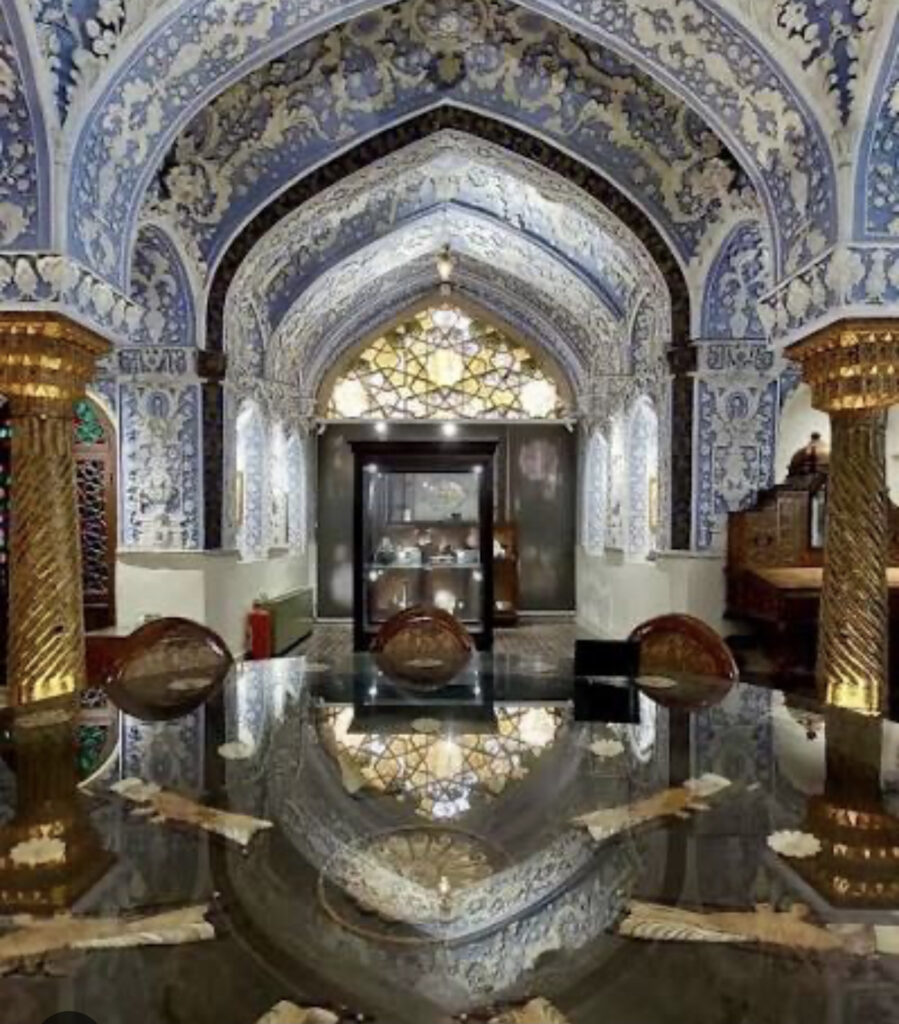
The risk in Iran is not only physical destruction. It is fragmentation. Looting, illicit trafficking, and the dispersal of undocumented artifacts often follow instability.
Here comes another question: how does humanity organize itself during periods of global peace to protect museums and cultural heritage when war breaks out?
The Hague Convention for the Protection of Cultural Property in the Event of Armed Conflict, adopted under the auspices of UNESCO, is one of the most widely ratified cultural heritage treaties in international law. Most countries in the Middle East- including Gulf monarchies, Saudi Arabia, United Arab Emirates, Qatar, Kuwait, Bahrain, Oman, – are States Parties to the Convention.
It means that all major museums in the Gulf region are legally covered under convention’s general protection. Other Key regional states are, Iran, Iraq, Jordan, Lebanon Israel, Palestine, Turkey. And the major Global power actors are, France, Germany, Italy, United Kingdom, and US.
So, what does the convention say?
Very shortly, when one country that has signed the Hague Convention attacks another that has also signed it, the law does not disappear. Even in war, both sides are still responsible for protecting museums and cultural heritage. The country being attacked must do everything to it can to safeguard its museums. At the same time, the attacking country is legally obliged not to deliberately target museums, monuments, or archives and to avoid harming them whenever possible.
War conditions does not cancel cultural responsibility.
This shared obligation is deeply symbolic. It means that even enemies are respected to recognize that art, history, and memory belong to humanity beyond politics.
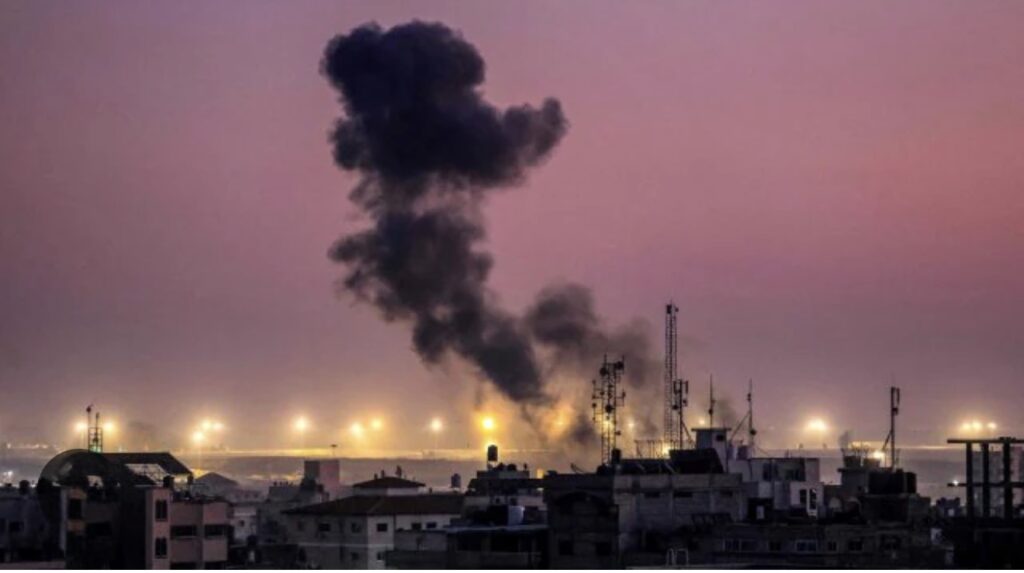
Yet international law issues, while so essential, offers no physical shield against ballistic reality.
When the museums in the war zone are deliberately attacked, the response shifts to moral and institutional pressure. International bodies such as UNESCO,academic institutions, and global art community play a curtail role in building global public conscience. They document damage transparently, mobilize international media, initiate diplomatic protests, suspend cultural partnerships to the attacking parties, and pursue accountability through international courts where possible.
Public awareness campaigns, and collective statements from cultural leaders help transform heritage destruction from a “collateral issue” into a visible ethical crisis. While international conventions may be ignored in the moment of force, long-term legitimacy- political, cultural, and historical is shaped by how the world remembers those violations. In these sense, public conscience becomes a form of resistance to all destruction when legal mechanisms fall short.

