
Share this article:
By Nazli Kok Akbas
From Basel to Zurich, Reihen, Bern and Lausanne, Switzerland’s autumn exhibition season invites us to reconsider art history, discover overlooked artistic voices, and explore the changing relationship between art, architecture, nature, and society.
Switzerland enters the autumn of 2026 with an exhibition program that rewards curiosity. Across its major museums and contemporary art institutions, familiar names meet fewer familiar histories, while questions of identity, material freedom and artistic experimentation take center stage. From the pioneering vision of Swiss collector to the monumental paintings of Franz Gertsch, from the architectural transformation of Foundation Beyeler to the radical imagination of Ted Joans, these exhibitions offer diverse ways of understanding how art reflects the world around us.
What makes this season particularly compelling is the variety of approaches. Some institutions look backwards to reveal stories that deserve renewed attention; others challenge conventional ideas about abstraction, the body, landscape, and artistic freedom. Two collector stories provide a meaningful thread throughout the season: Gertrud Dubi-Muller in Basel and Jean Planque in Vevey.
KUNSTMUSEUM BASEL,GERTRUD DUBI-MULLER; A Collector and Pioneer
Van Gogh, Hodler and a Cabriolet: The Collector and Pioneer Gertrud Dubi-Muller
19 September 2016 – 7 February 2027
Kunstmuseum Basel, Geraldine Meyer
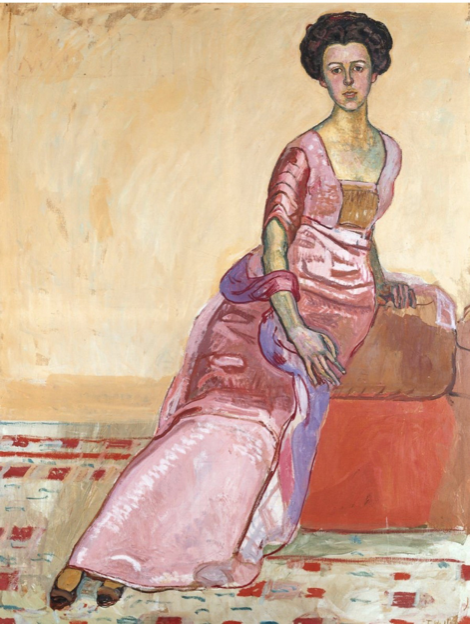
The season begins at Kunstmuseum Basel with the rediscovery of a remarkable Swiss collector, photographer, mountaineer, and motorist, Gertrüd Dübi-Müller whose contribution to modern art deserves greater recognition.
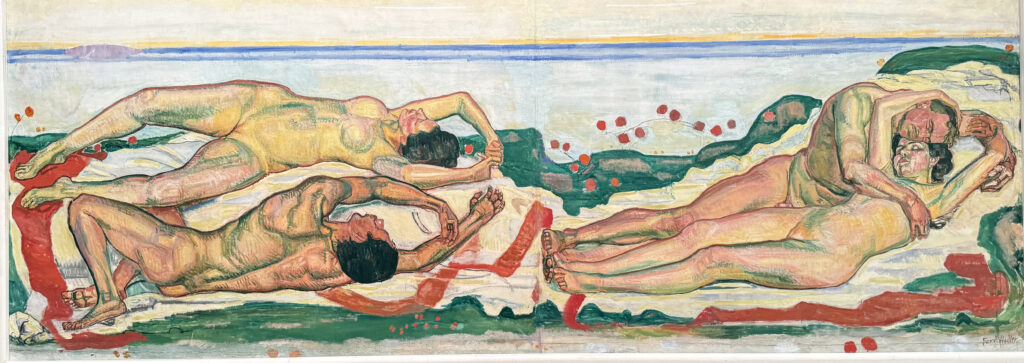
The exhibition brings together approximately eighty art works, photographs, and previously unpublished documents, offering an intimate portrait of a woman who has actively involved in the cultural life of her time. Her collection included major artists such as Vincent Van Gogh, Paul Cezanne, Gustave Klimt, Henri Matisse, Ferdinand Hodler, and Cuno Amiet and so on. Her early acquisition of Van Gogh’s Portrait of Charles Elzeard Trabuc in 1908 demonstrates the independence of her artistic judgement and the confidence with which she pursued her interest.
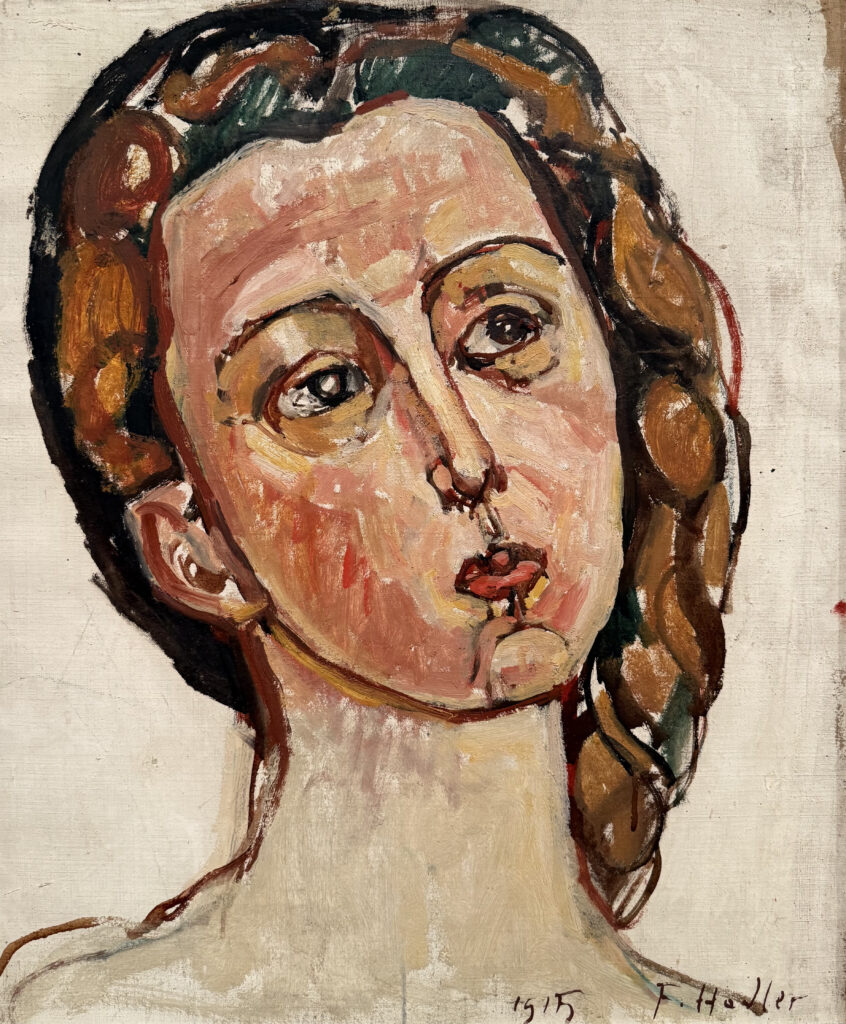
Dübi-Müller was more than a collector observing art history from the sidelines. She took painting lessons with Cuno Amiet, formed with a close friendship with Ferdinand Hodler, and Giacometti, and documented her world through photography. Her collection, built in part with her brother Josef Muller, became an important contribution to the public art collections now presented at Kunstmuseum Solothurn. The exhibition also reveals a woman whose independence extended beyond the art world: her passion for mountaineering, and automobiles challenged the expectations of the era.
By bringing the story to Basel, Kunstmuseum Basel invites us to reconsider the people behind modernism and the often-unseen influence of collectors on artistic recognition.
THE BEYELER FOUNDATION, CONSTELLATIONS: A New Chapter in Art and Architecture
26 September – 5 September 2027
One of the most significant developments in Switzerland’s autumn 2026 cultural calendar takes place at the Beyeler Foundation where opening of the new museum building designed by architect Peter Zumthor marks a major expansion of the museum’s architectural and exhibition landscape. Known as Wyss Museum, the new building joins Renzo Piano’s emblematic museum, the expanded park and renovated historic buildings to create a larger cultural ensemble. The inaugural exhibition, Constellations, brings together around 230 works, making it the largest collection presented in the institution’s history. Rather than treating architecture as a neutral container, the project places the relationship between art works, buildings, and the surrounding natural environment at its core.
The title Constellations suggests a network of relationships rather than a linear story of art history. The expanded ensemble creates new possibilities for encountering foundation’s collection alongside new acquisitions significant loans from Swiss and international private collections. For visitors, the experience is not only about seeing individual masterpieces but also observing how their meaning changes when placed in conversation with other works and the new architecture surrounding them.
In a season marked by renewed attention to the role of museums, the exhibition Constellations represents the museum itself as an evolving cultural environment.
THE BEYELER FOUNDATION, RUTH ASAWA: The Poetry of Wire
18 Octobre 2026 – 10 January 2027
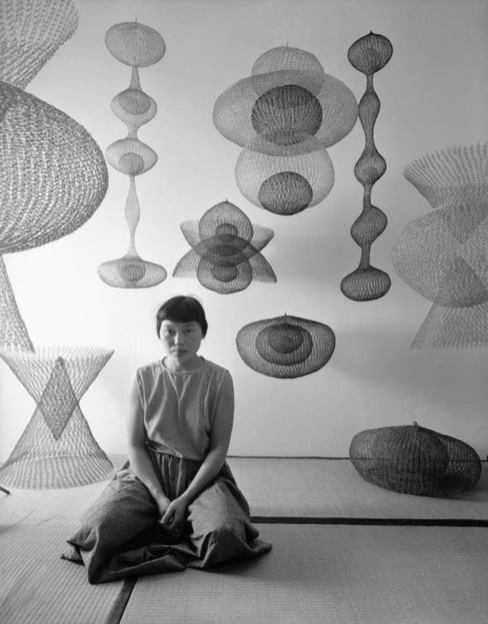
The Beyeler Foundation’s autumn program is further enriched by the first European retrospective of Ruth Asawa (1926-2013), the American artist of Japanese descent whose extraordinary work transformed ordinary materials into objects of remarkable delicacy. Best known for her looped-wire sculptures, Asawa created intricate, suspended forms that seem to grow organically in space. Their transparent structures allow light to pass through them, making the surrounding air part of the artwork. Yet the exhibition moves beyond these celebrated sculptures to include bronze works, drawings, prints, paintings, and projects for public spaces. Together, they reveal an artist whose practice cannot be confirmed to a single medium or category. Asawa’s work poetically offers an opportunity to discover how repetition, touch and simple materials can produce an artistic language of extraordinary complexity.
SAM KELLER, RECOGNITION FOR A LASTING CONTRIBUTION TO BASEL’S ART SCENE
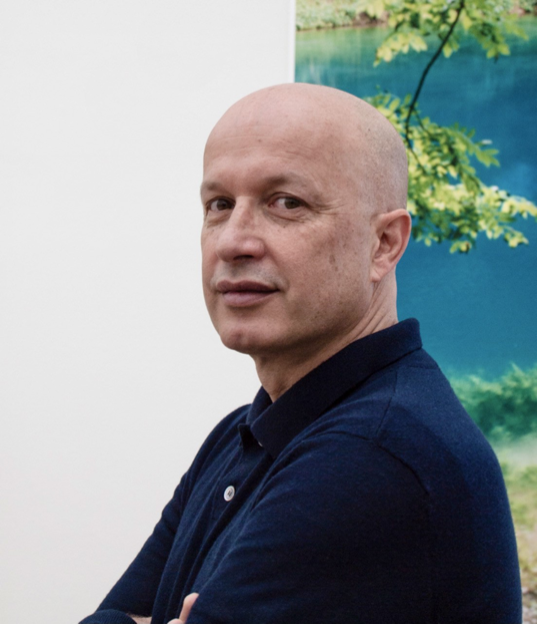
This autumn also brings significant recognition to Sam Keller, director of the Beyeler Foundation, who has been awarded the Basel Culture Prize 2026, by the Basel-Stadt government, for more than 25 years of commitment to the city’s artistic and cultural life. Before taking helm of the foundation in 2008, Keller directed Art Basel from 2000 to 2007, in the transformation of the famous fair into a leading international art fair, and establishing its first international edition, Art Basel Maimi Beach. The prestigious Basel Culture Prize recognizes not only Keller’s contribution to individual institutions but also his wider role in enhancing Basel’s international cultural standing.
MUSEE JENISCH VEVEY
THE JEAN PLANQUE COLLECTION; The Story of a Collector
6 November –18 April 2027
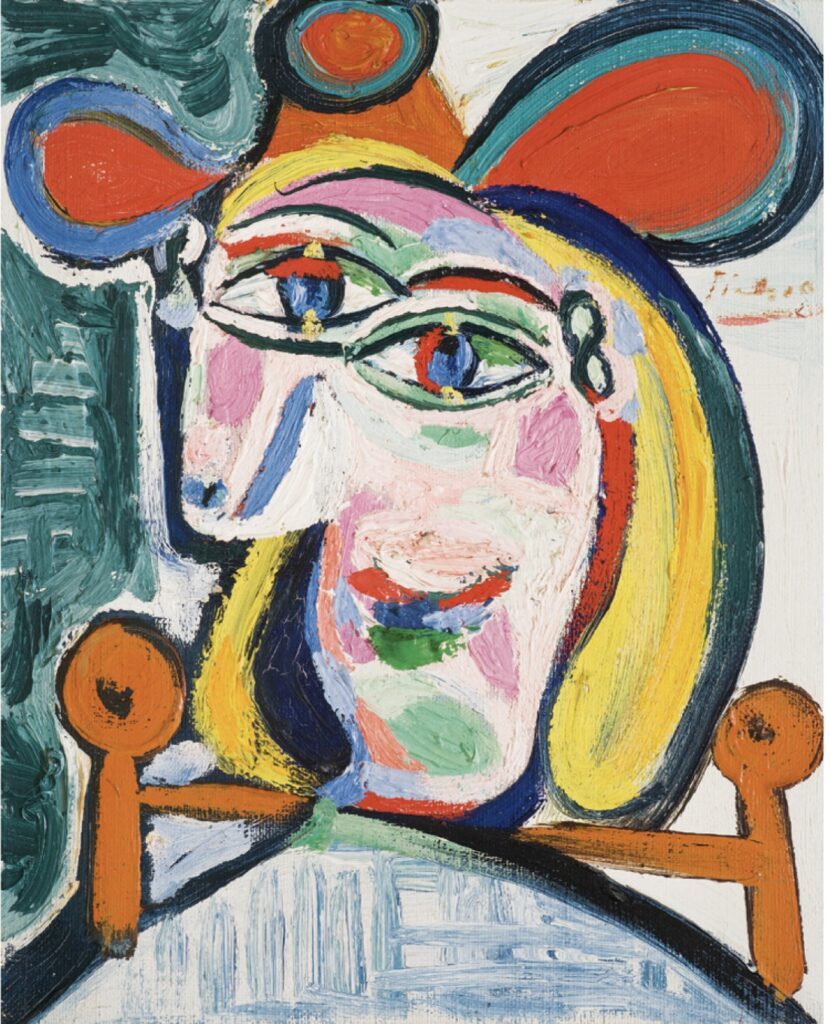
The autumn season brings another important story of collecting to French –speaking Switzerland with the inaugural exhibition of the Jean Planque Collection at The Jenisch Museum, Vevey. Jean Planque (1910-1998), a self-thought Swiss painter and collector from the canton of Vaud, developed an exceptional eye for modern art without the benefit of formal artistic training or great personal wealth. The exhibition occupies the entire museum, tracing his journey from early acquisitions influenced by Paul Cezanne to his discovery of contemporary non-figurative art in the 1950s. The collection brings together major artists including Cezanne, Claude Monet, Pierre Bonnard, Pablo Picasso, Paul Klee, Jean Dubuffet, and so on. The Plaque collection offers visitors an opportunity to follow the development of a personal vision across several generations of modern art.
Planque’s story is particularly fascinating because collecting, for him, was a process of discovery. His encounter with jean Dubuffet challenged his earlier classical convictions, while his friendship with Picasso became an important chapter in his professional life. Between 1954 and 1972, Planque worked for the Beyeler Gallery, where he encountered artists who were little known in Switzerland, including Simon Hantai, Marc Tobey, and Henri Michaux.
Together with the story of Gertrud Dübi-Müller in Basel, Planque’s legacy offers a compelling reminder that individual conviction can shape the way future generations encounter modern art.
KUNSTMUSEUM BERN
FRANZ GERTSCH. Blow –Up (Part I and II)
14 August 2026 – 17 January 2027
Kunstmuseum Bern turns its attention to one of Switzerland’s most important modern artists with Franz Gertsch. Blow Up I and II, a major retrospective developed in collaboration with Museum Franz Gertsch in Burgdorf. Spanning more than six decades of artistic production, the two–part project revisits the career of an artist whose monumental paintings helped establish his international reputation as a pioneer of photorealism. The exhibition explores his development from the mid 1950s onwards, including paintings of the youth and music scenes of the 1970s, family portraits, images of artists, friends, and expansive landscapes. The Part II of the exhibition at Museum Franz Gertsch in Burgdorf runs from 19 September 2026 to 28 February 2027.
KUNSTMUSEUM BERN
JOURNEY INTO FREEDOM: CAPRI, SKAGEN, MONTE VERITA
30 Octobre 2026 – 31 January 2027
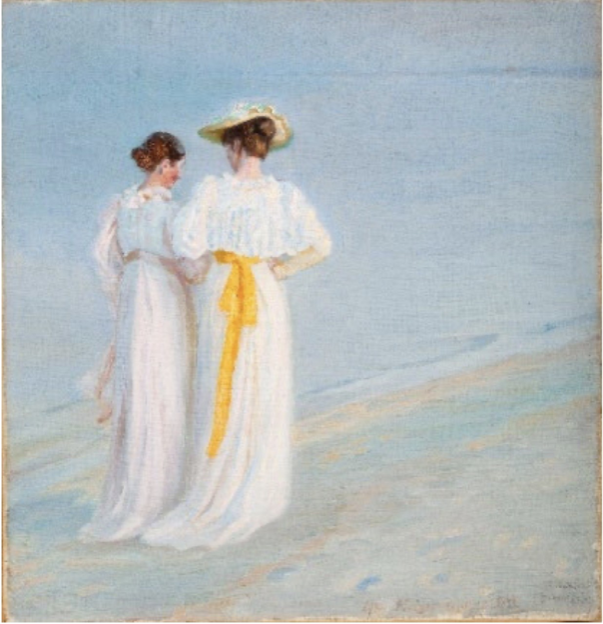
Opening at the end of Octobre, exhibition takes visitors to three places that became powerful symbols of artistic and personal freedom between 1830 and 1930: Capri in southern Italy, Skagen on Denmark’s northern coast, and Monte Verita in Switzerland. These locations offered proximity to nature, alternative forms of community, and the possibility of imagining life beyond established social expectations. The desire for freedom often collided with the realities of everyday life. The tension between utopia and reality gives the exhibition its critical depth. The dream of escaping conventional society was itself shaped by privilege, and the idealized image of a place could conceal the lives of those who lived there. By bringing Capri, Skagen, and Monte Verita into one narrative, Kunstmuseum Bern invites visitors to consider the relationship between artistic innovation and social transformation. It’s an exhibition about the landscapes artists chose, but also about the ideals they projected onto them – and the limits of those ideals.
ZENTRUM PAUL KLEE, BERN
ROBERTO BURLE MARX: Modernismo Tropical
Zentrum Paul Klee turns towards Brazil with Roberto Burle Marx. Modernismo Tropical, an exhibition devoted to the artist, landscape architect, and environmentalist. Burle Max transformed landscape architecture by bringing the principles of modernist painting into the design of gardens and public spaces. His plans often resemble abstract compositions. The exhibition encourages visitors to reconsider the boundaries between art and design and between built environment and the natural world.
KUNSTHALLE ZURICH
CASPAR HEINEMANN: TEMPTING FATE
26 September – 10 January 2027
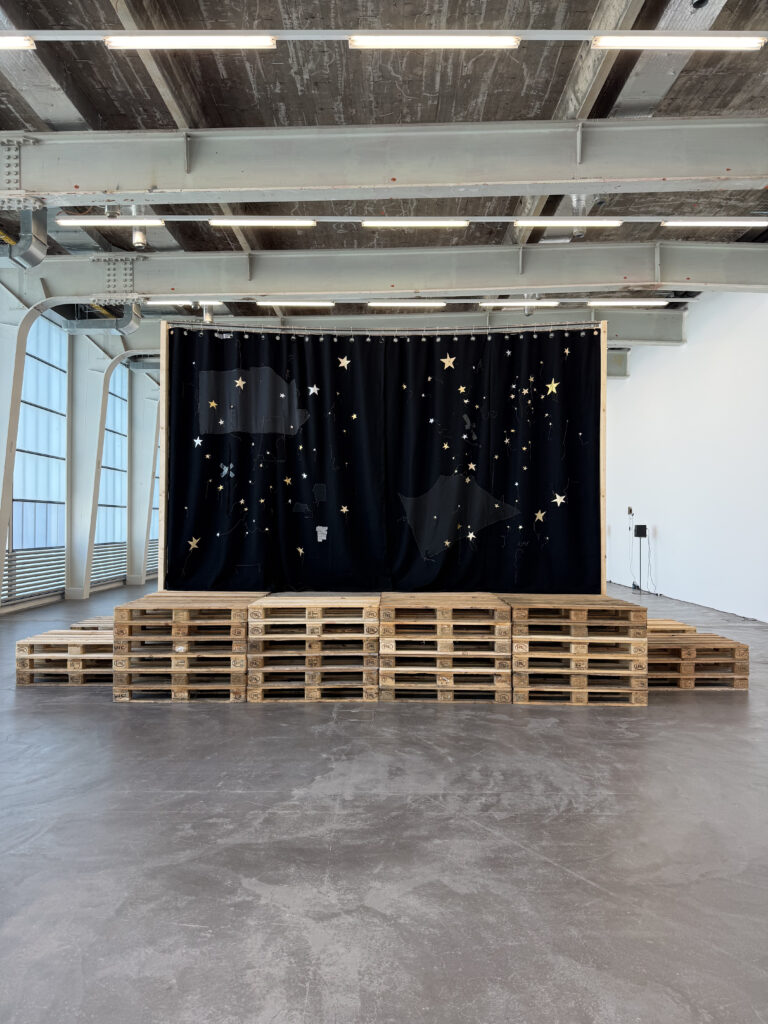
British artist Caspar Heinemann brings together sculpture, installation, performance, drawing, and text in an exhibition exploring the relationship between language, history, and imagination. Born in London in 1994 and based in Glasgow, Heinemann draws on queer and countercultural histories. Tempting Fate, his first institutional solo exhibition outside the UK, invites visitors to remain open to uncertainty and unexpecting conditions.
At the center of the exhibition is Abracadabra (2026), a large-scale installation developed specifically for Kunsthalle Zurich.
Recuring motif of the night sky connects the installation to Heinemann’s interest in continuity and magical thinking.
MUSEUM HAUS KONSTRUCTIVE ZURICH
THE BODY WITHIN THE ABSTRACTION
20 September 2026 – 10 January 2027
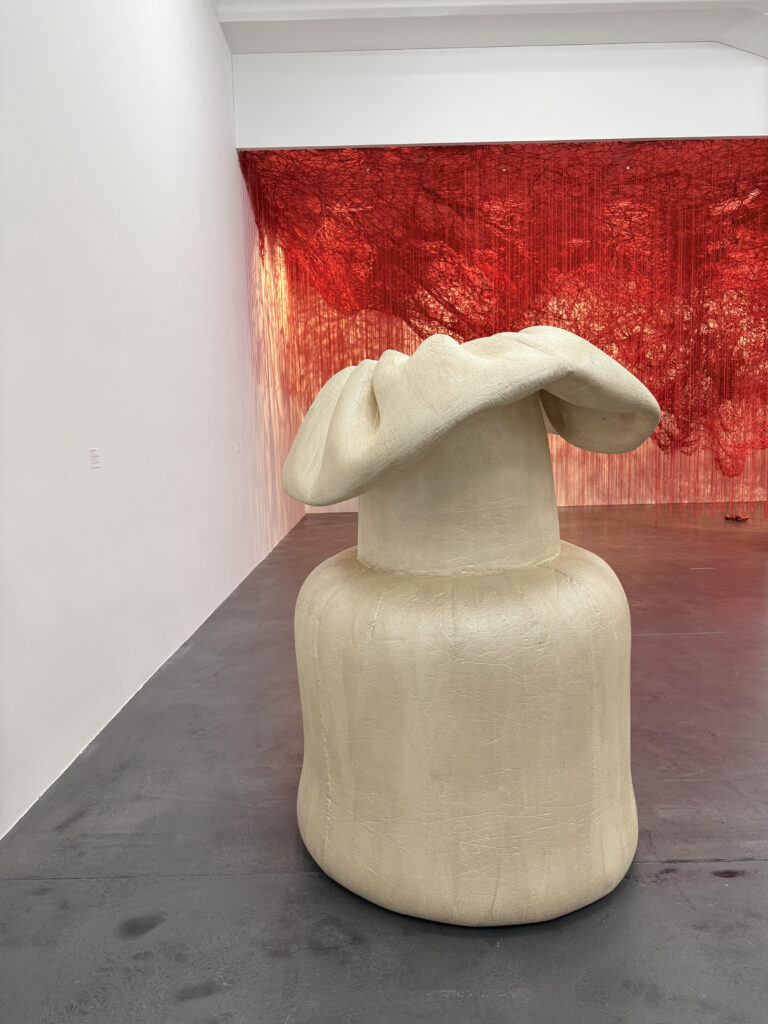
What happens to the human body when art abandons representation in favor of line, color, surface, and geometric structure? The exhibition takes this question as its starting point, challenging the conventional understanding that the constructivist and concrete art necessarily excludes the body.
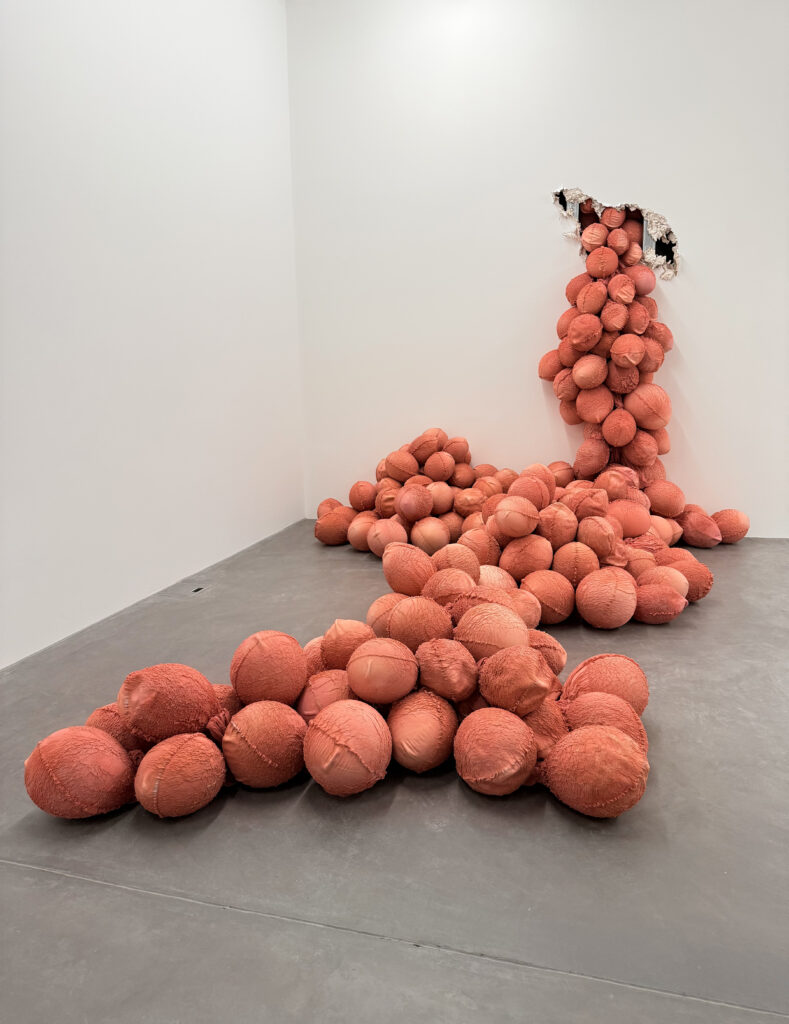
Bringing together works by Heidi Bucher, Eva Fabregas, Kimsooja, Bruce Nauman, Chiharu Shiota and Franz West, the exhibition explores how physical presence can remain embedded in non-figurative art. The body becomes not only a subject but also a point of measurement, a structure, and a way of organizing space.
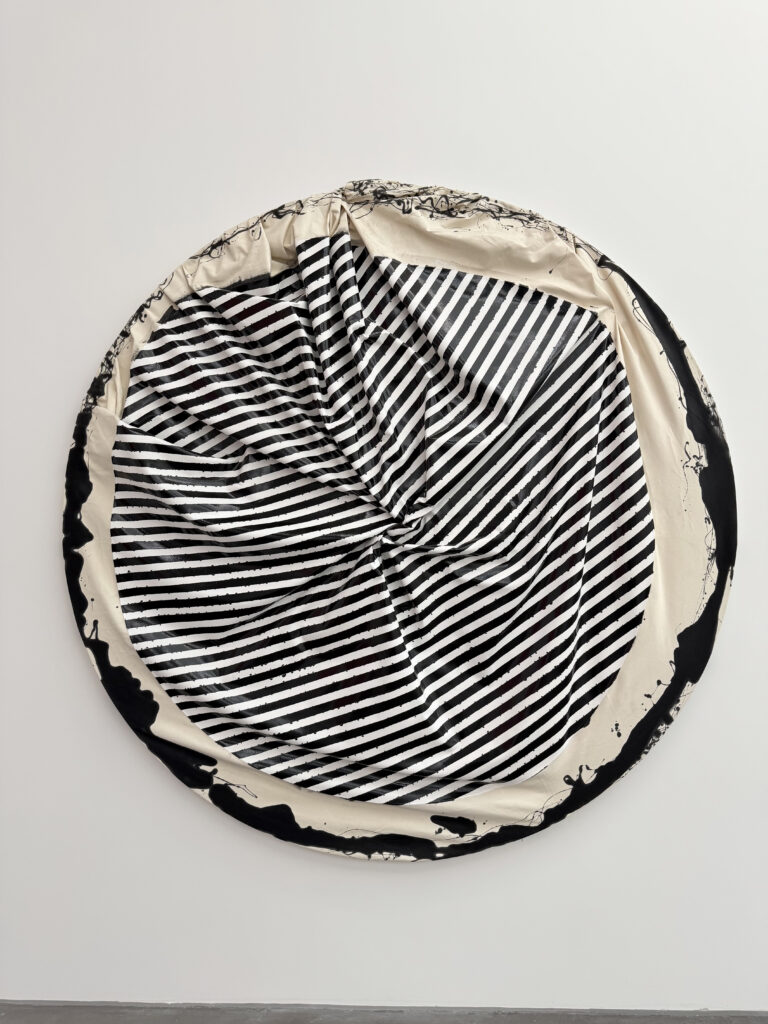
The exhibition is also significant as Museum Haus Konstructive celebrates its fortieth anniversary.
MIGROS MUSEUM FOR CONTEMPORARY ART
SYLVIE FLEURY AND SHAMIRAN ISTIFAN
Collection Dialogue : Sylvie Fleury & Shamiran Istifan
26 September 2026 – 17 January 2027
Sylvie Fleury & Shamiran Istifan Migros Museum for Contemporary Art Zurich
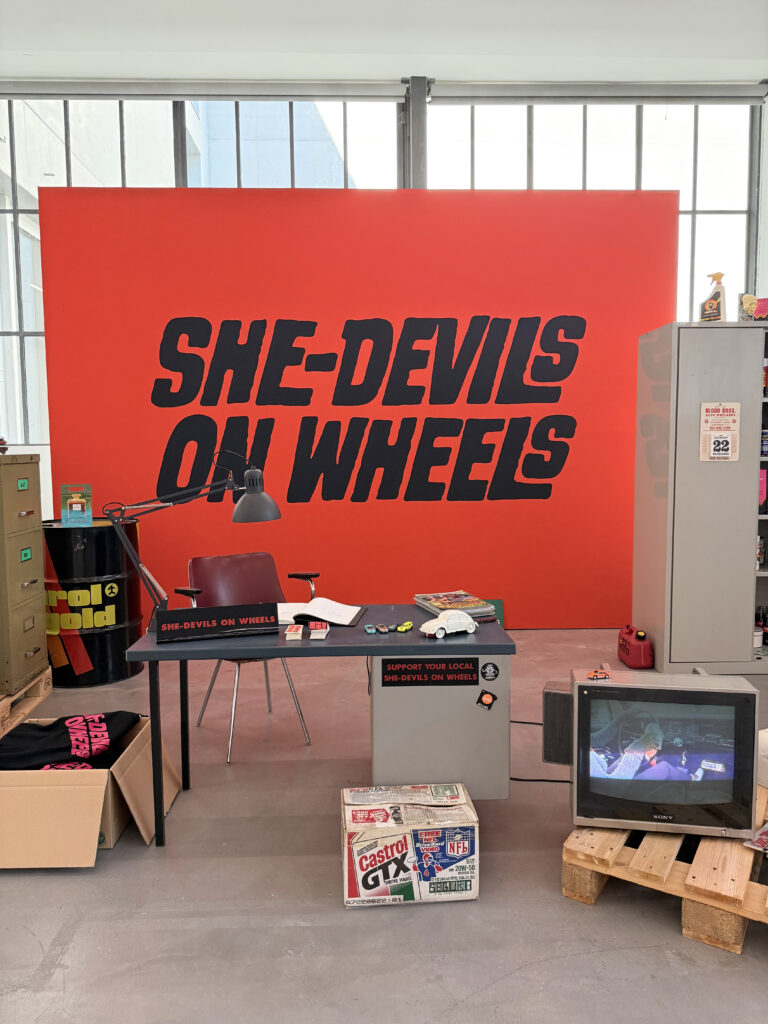
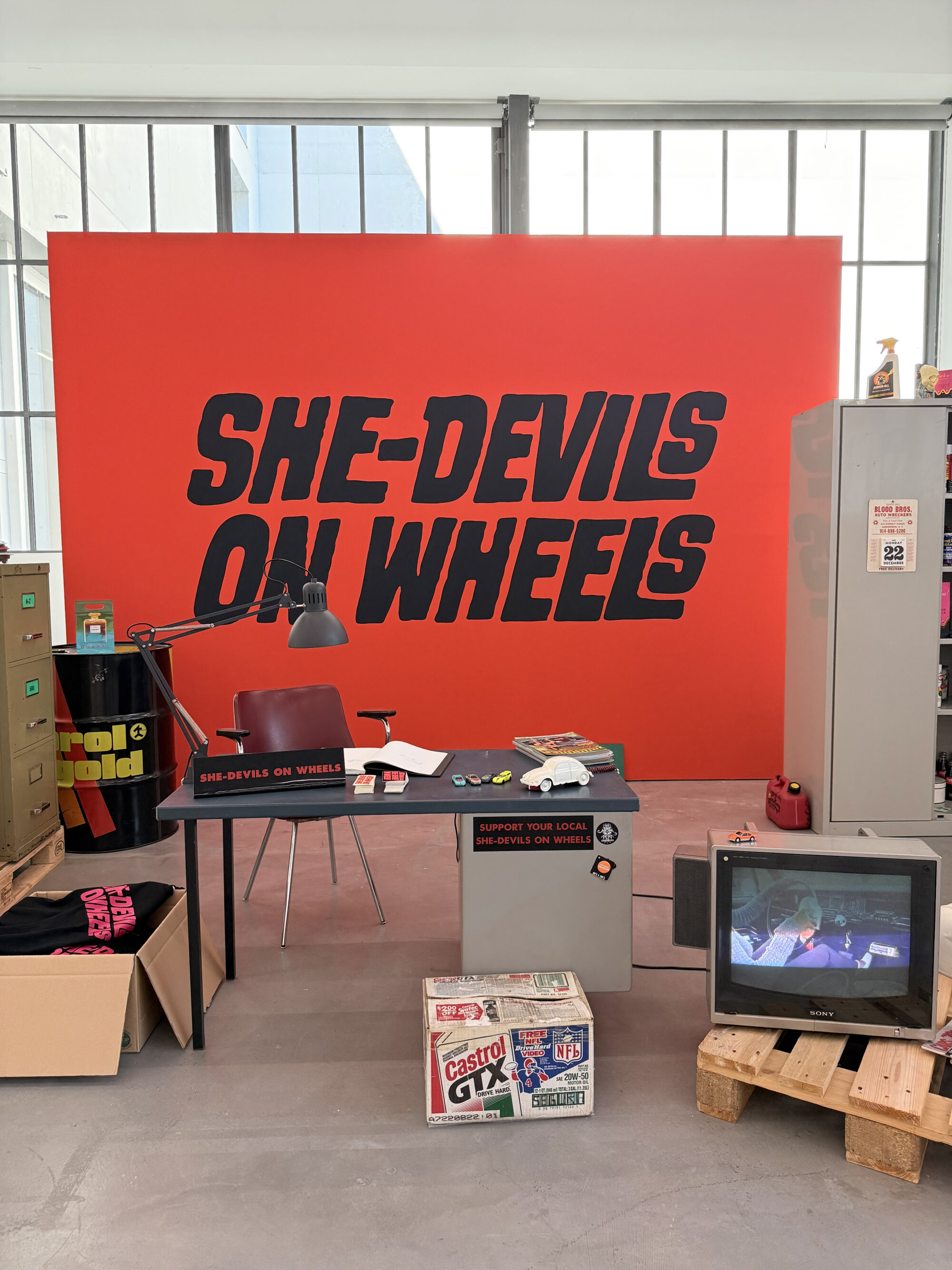
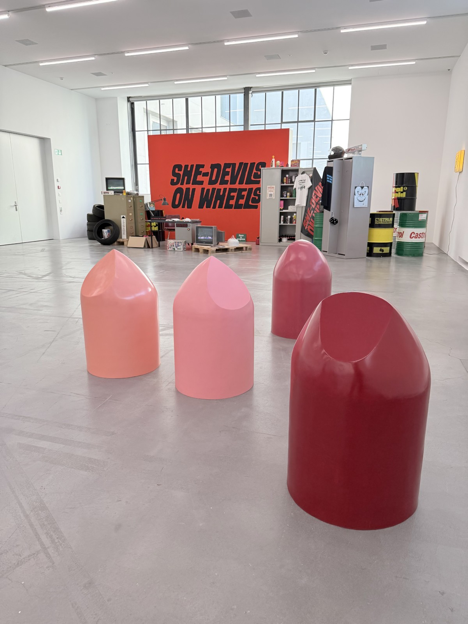
A dialogue between two Swiss artists connects feminist art of the 1990s with contemporary questions of identity, class, and belonging. The starting point is Fleury’s SHE DEVILS ON WHEELS – HEADQUARTERS (1997), a work from the museum’s collection that confronts women’s exclusion from traditional male-dominated spaces. Fleury is known for her engagement with consumer culture, fashion, luxury, and the visual language of desire. By transforming symbols associated with power and status, she questions the social codes that determine who is allowed to occupy particular spaces – and on what terms.
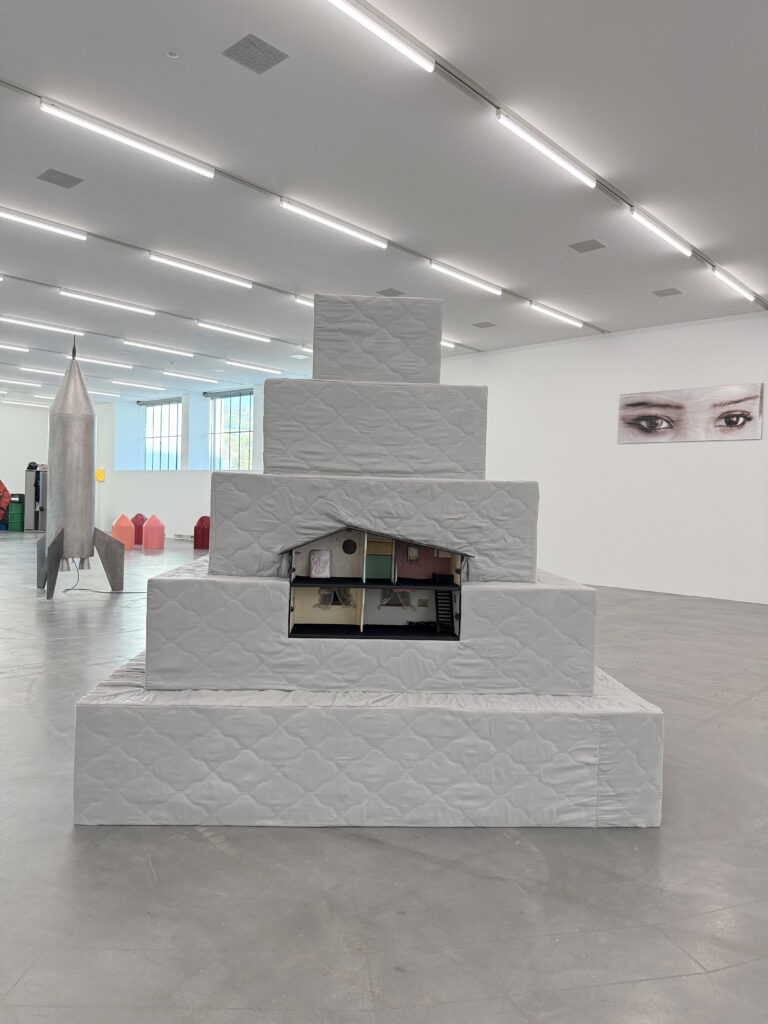
The museum places Fleury’s works in conversation with new works by Swiss artist Shamiran Istifan, her work examines cultural codes in everyday life, feminist narratives transmitted between generations of women, and the contemporary relationship with class and belonging. The encounter creates an interesting dialogue between different generations and artistic strategies.
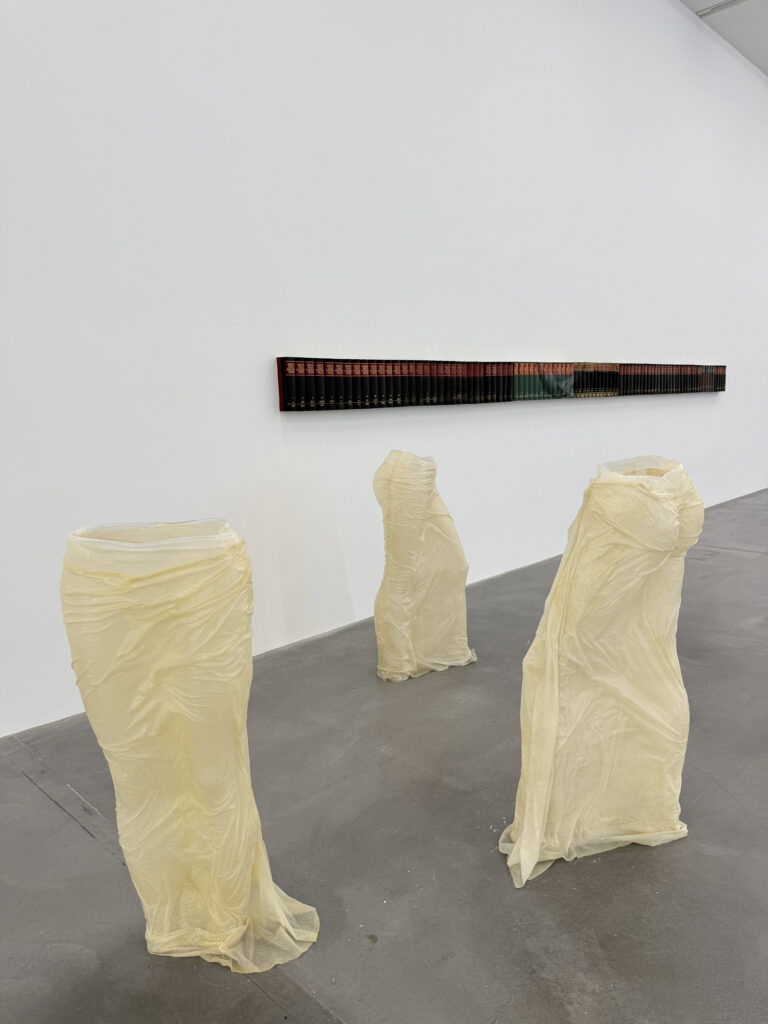
Rather than treating feminism as a close historical chapter, the exhibition demonstrates how questions of autonomy, visibility, and the right to define one’s own place in the world continue to evolve. It is also a reminder of the role of the museum collections: when established works are placed in conversation with contemporary practices, their representations can be renewed and their relevance extended.
MIGROS MUSEUM FOR CONTEMPORARY ART ZURICH
NICOLE L’HUILLIER, CANCION DE AMOR
26 September 2026 – 17 January 2027
Nicole L’Huillier, Cancion de Amor
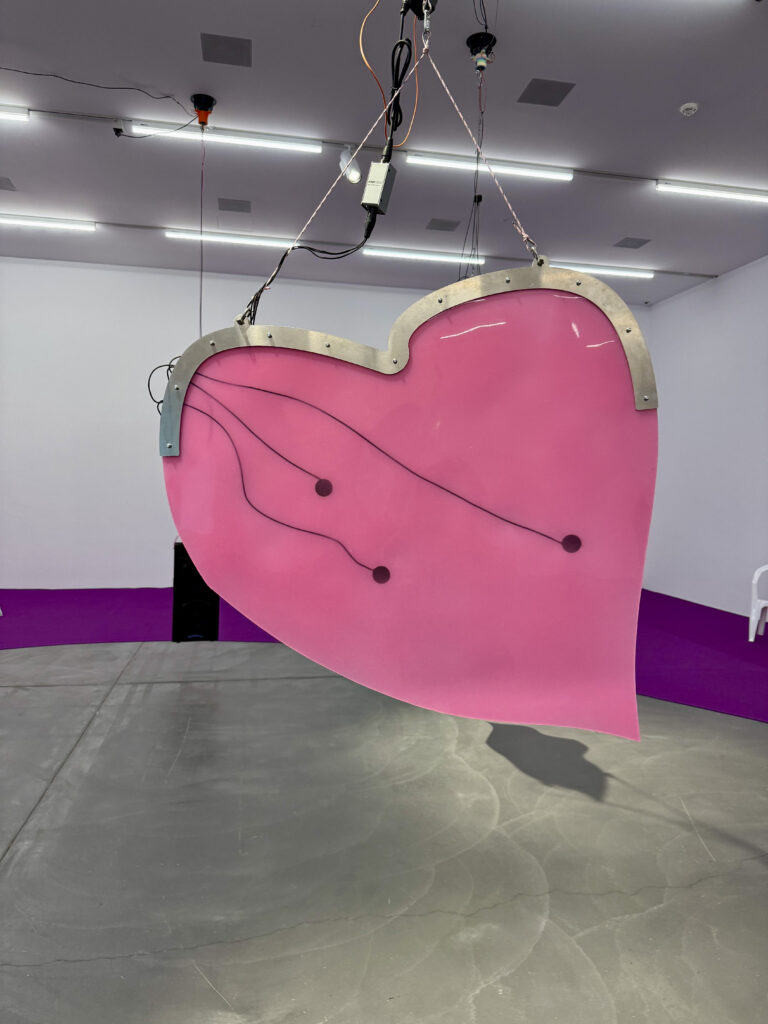
Nicole L’Huillier invites visitors to reconsider love not simply as an emotion, but as a practice of listening, sharing, and connecting. Through interactive sound installations, swings, whispering vessels and sculptural forms that evoke a heartbeat, L’Huillier transforms the exhibition space into a participatory environment where sound and body become instruments of communication.
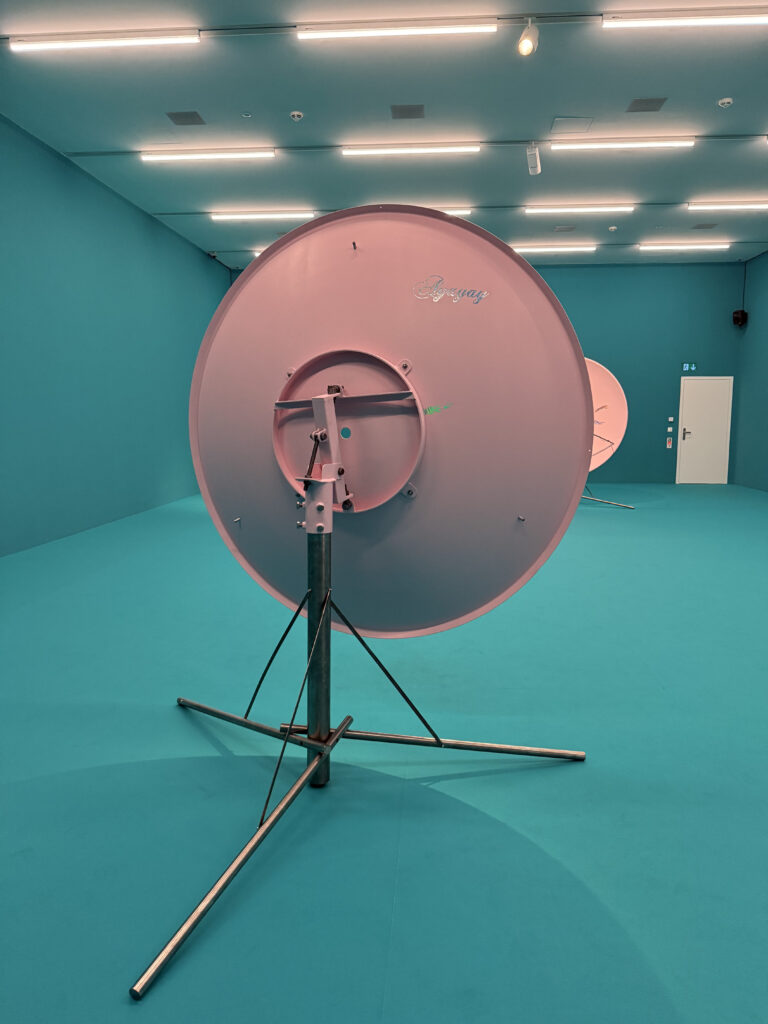
Encouraging visitors to play, respond, and engage with one another, the exhibition challenges the transactional logic of contemporary society.
MCBA LAUSANNE
Ted Joans: Black Flower
9 October 2026 – 28 February 2027
MCBA, Lausanne, Pierre-Henri Foulon
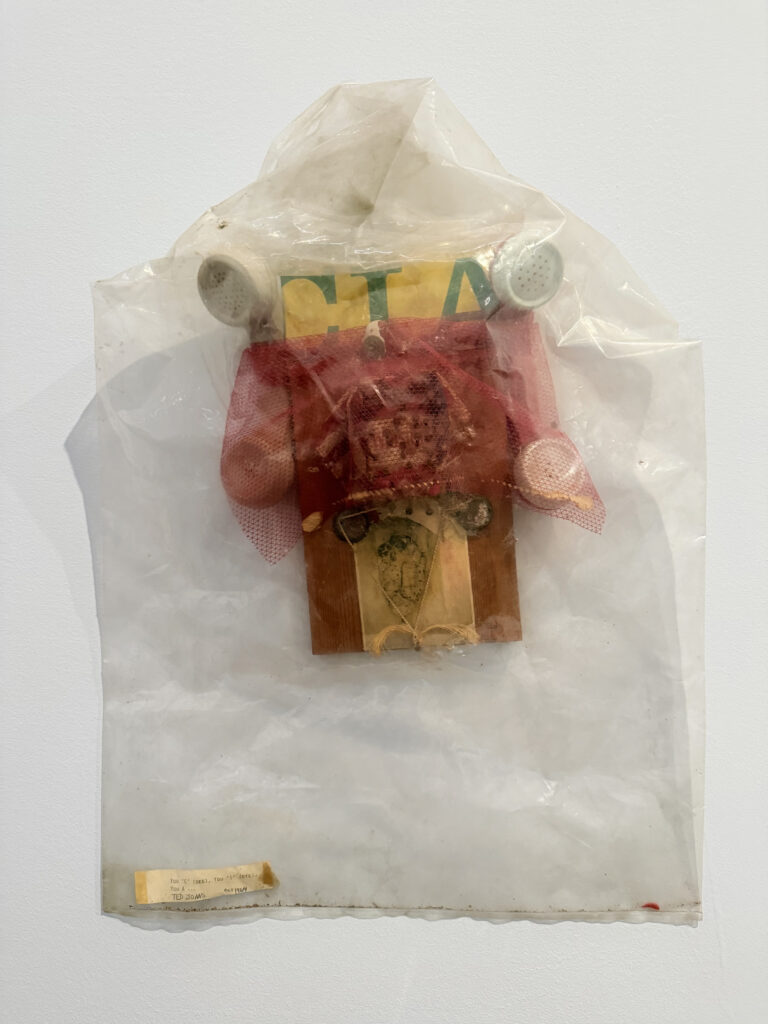
Ted Joans: Black Flower exhibition brings overdue attention to an artist whose work cross the boundaries between literature, visual art, jazz, Surrealism, and political activism. Joans (1928-2003) is best known for his poetry, jazz criticism, and autobiographical writing, but visual practice was equally inventive. This first monographic exhibition devoted to his work brings together drawings, collages, and experimental films developed through extensive research and close collaboration with his estate.
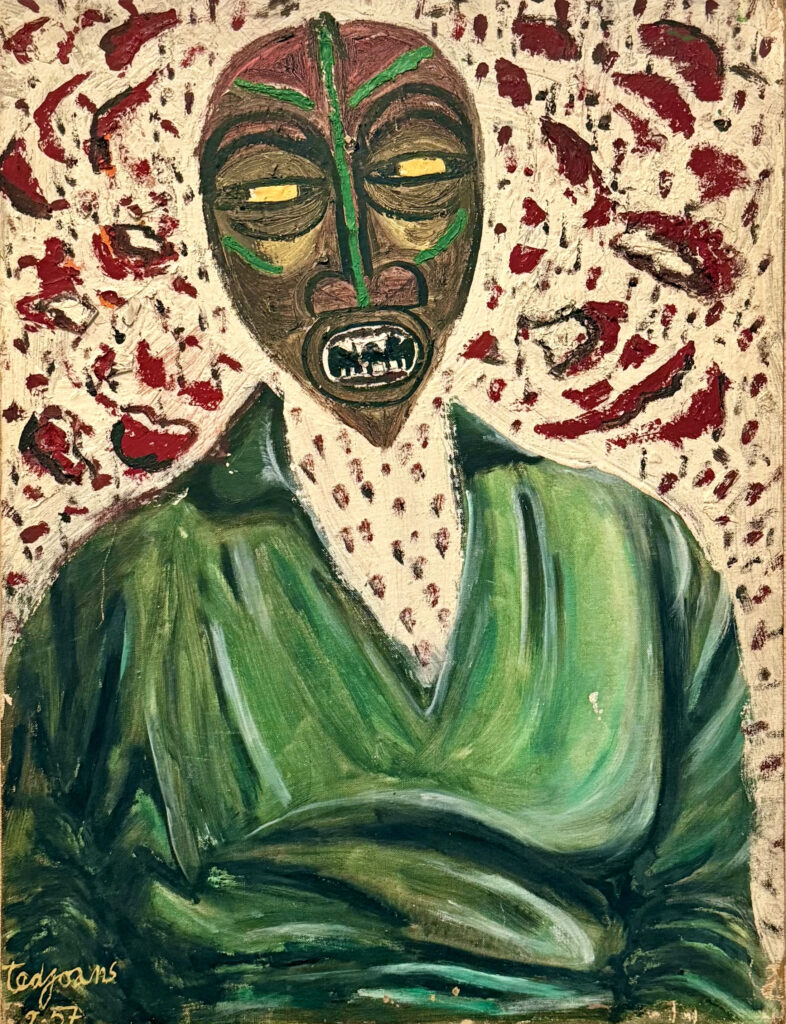
Born in segregated US, Joans developed a distinctive language informed by African diasporic intellectual traditions, international Surrealism. For Joans collage is more than an artistic technique: it was a way to disrupt established narratives and create unexpected connections between images, histories, and cultures. His work moves between playful visual invention and political resistance, challenging Eurocentric accounts of art history while exploring the cultural heritage of people of African descent.
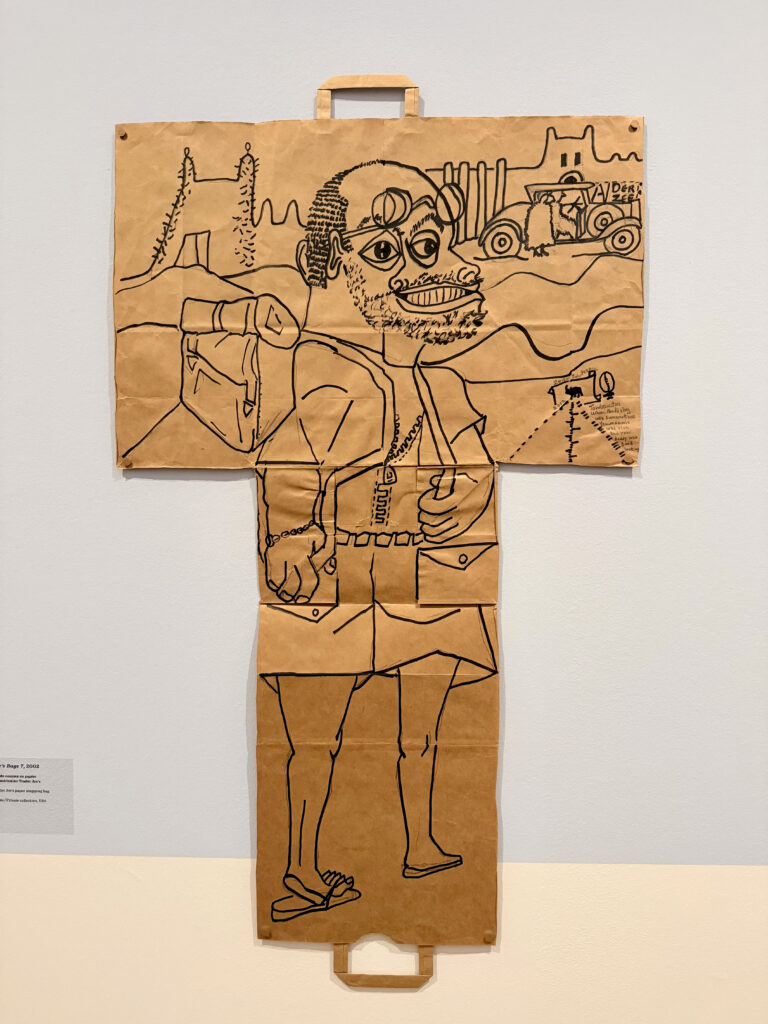
His experimental films also demonstrate how image and sound could enter into a dynamic dialogue, reflecting his long-life engagement with jazz and performance.
Rather than placing Ted Joans within a single movement, BLACK FLOWER traces a trajectory that moves across continents, disciplines, and political contexts.

