
Share this article:
Kunsthaus Zurich Maria Lassnig & Edvard Munch
How two artists, separated by over half a century, transformed painting to reveal the mind and body.
What does it mean to make the invisible visible? For Lassnig and Munch, painting offers exploring the fragile territory between bodily sensation and psychological experience. Although separated for more than half a century, both artists challenged the limits of presentation, transforming painting into an instrument of introspection.
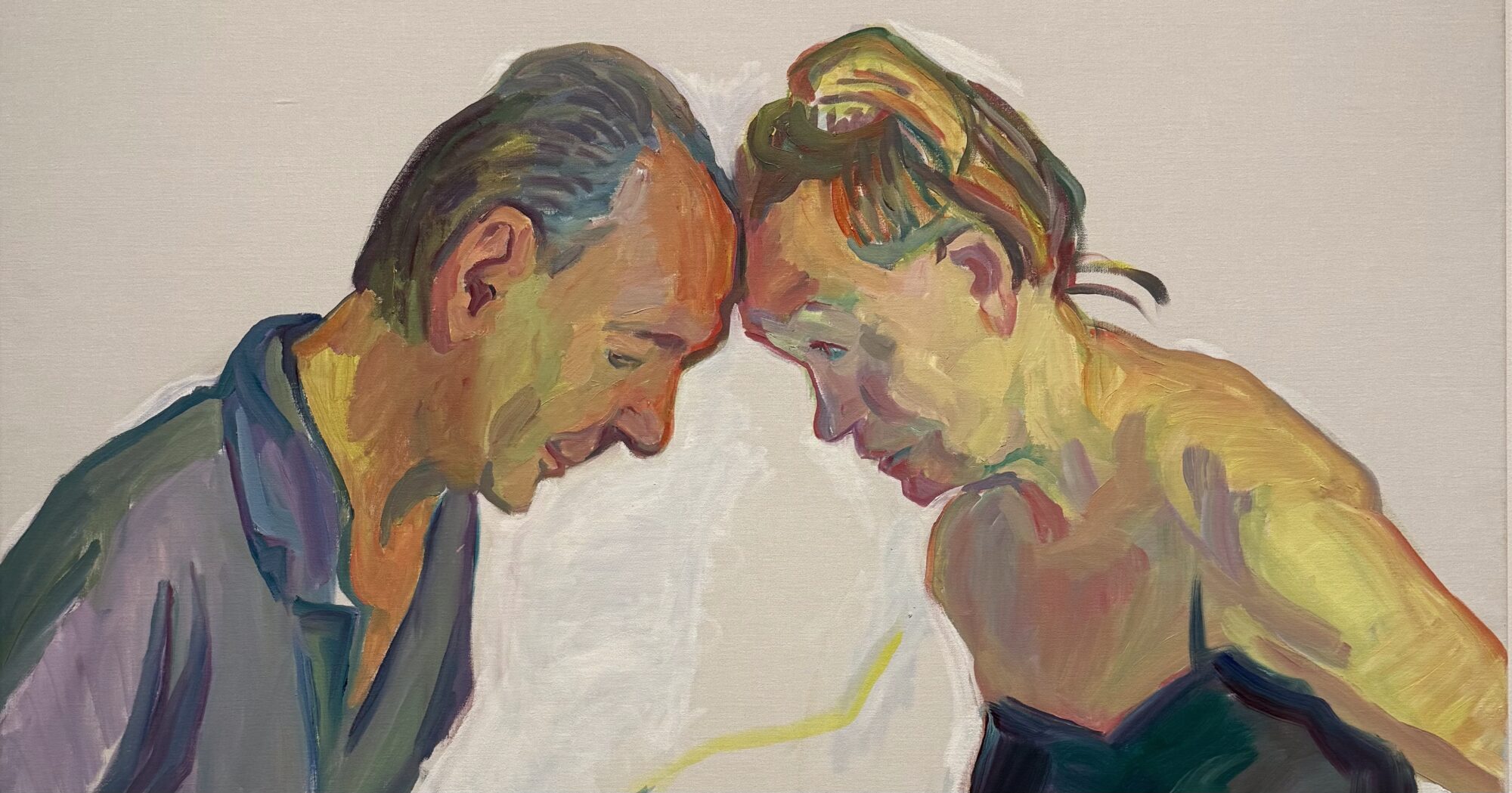
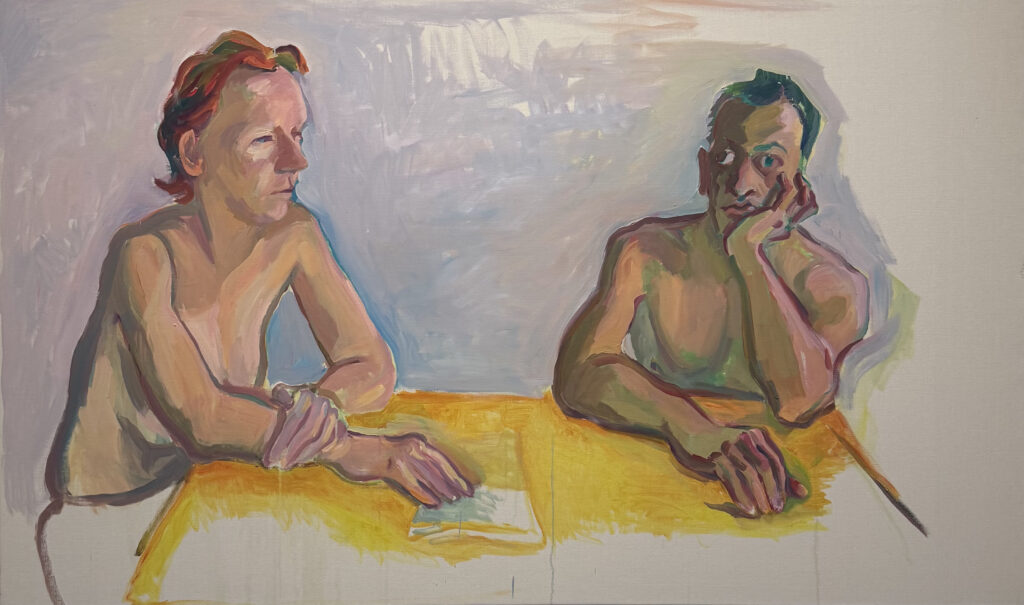
At Kunsthaus Zurich, Maria Lassnig and Edvard Munch: Flow of Painting = Flow of Life brings together practices into dialogue, revealing unexpected affinities between two distinct artistic visions. Rather than simply comparing their shared preoccupation with emotion, the exhibition examines how both artists made the human condition the central subject of their work.
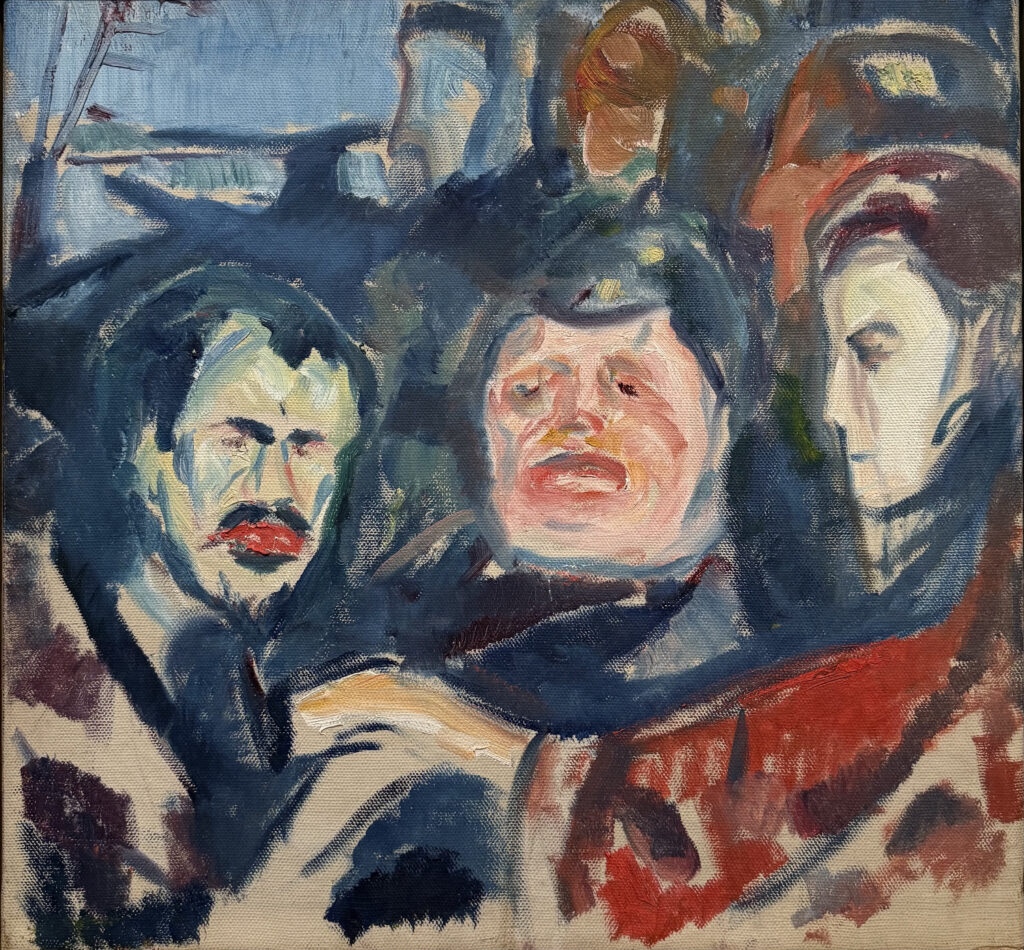
For Munch (1863-1944) the external world was inseparable from the inner life. His expressive use of color and line transformed landscapes and figures into a psychological space charged with anxiety, desire, isolation, and mortality. In his paintings, nature becomes an extension of human consciousness, while individual emotions acquire universal resonance.
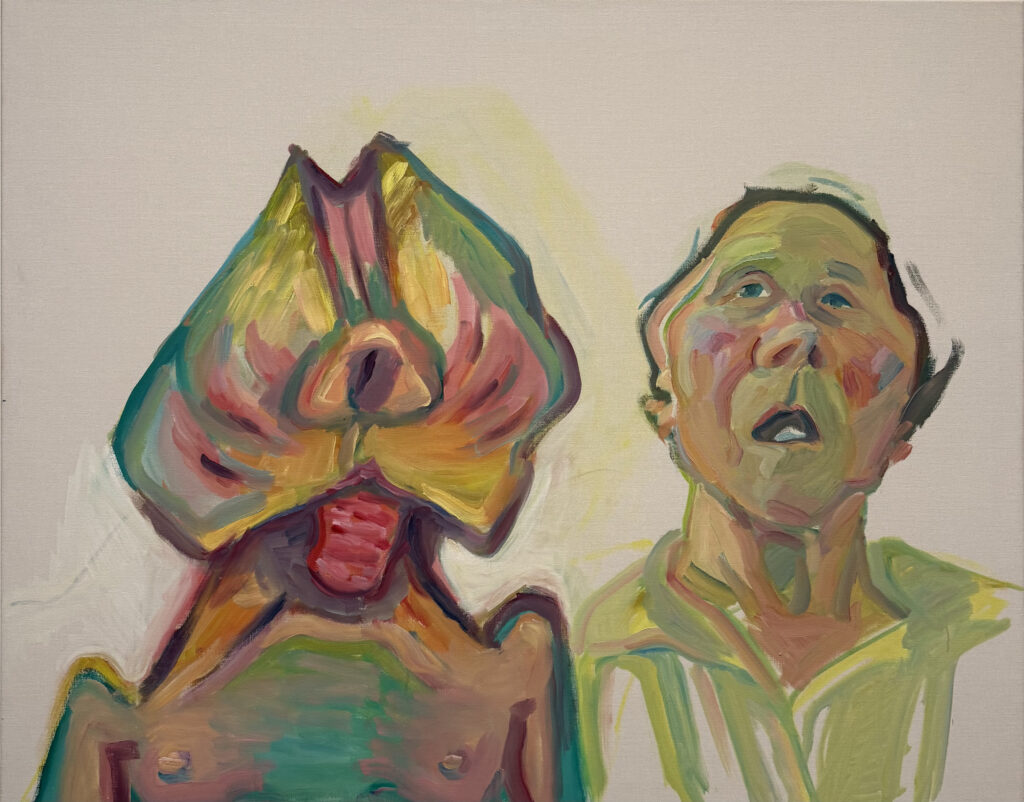
Maria Lassnig (1919-2014) approached this territory through a radical investigation of bodily awareness. Her figures, frequently distorted or fragmented, reflect not simply how the body appears, but how it feels to inhabit it.
Where Munch often projected psycholocical states onto the surrounding world, Lassnig turned inward, making the body itself a primary site of experience. Their approaches differ, yet both reject the idea of painting as a neutral reproduction of reality.
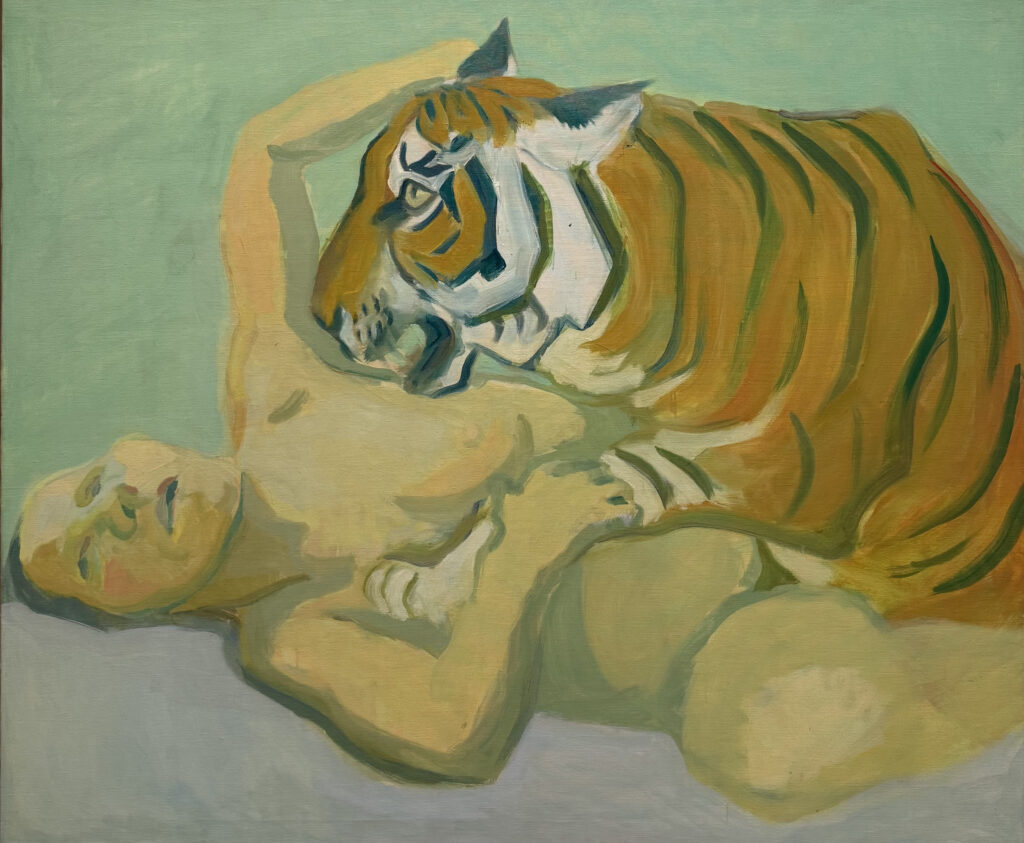
COLOR AS EXPERIENCE
In the work of both artists, color functions more than a descriptive element. It becames a vehicle for sensations that resists verbal expression. Munch intense chromatic compositions dissolve the boundaries between figure and landscape, while lassnig’s unconventional colors communicate the physical and emotional realities of embodiment.
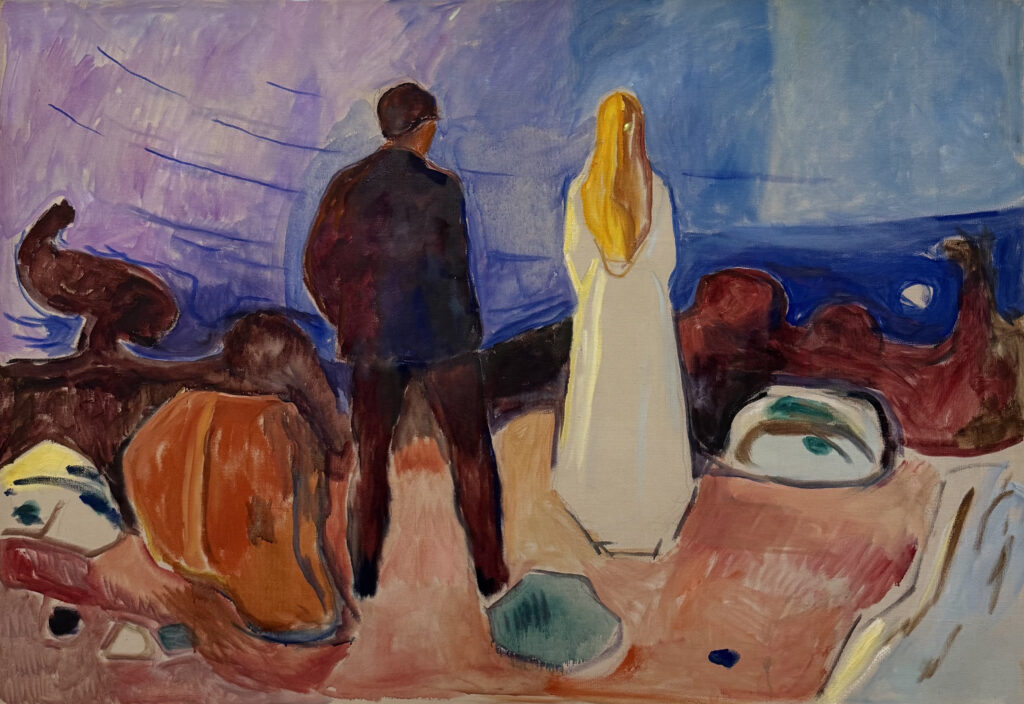
Their paintings suggest the perception is never entirely objective: what we see is inseparable from what we feel. Color becomes a form of knowledge, allowing painting to articulate experiences that remain beyond reach of ordinary language.
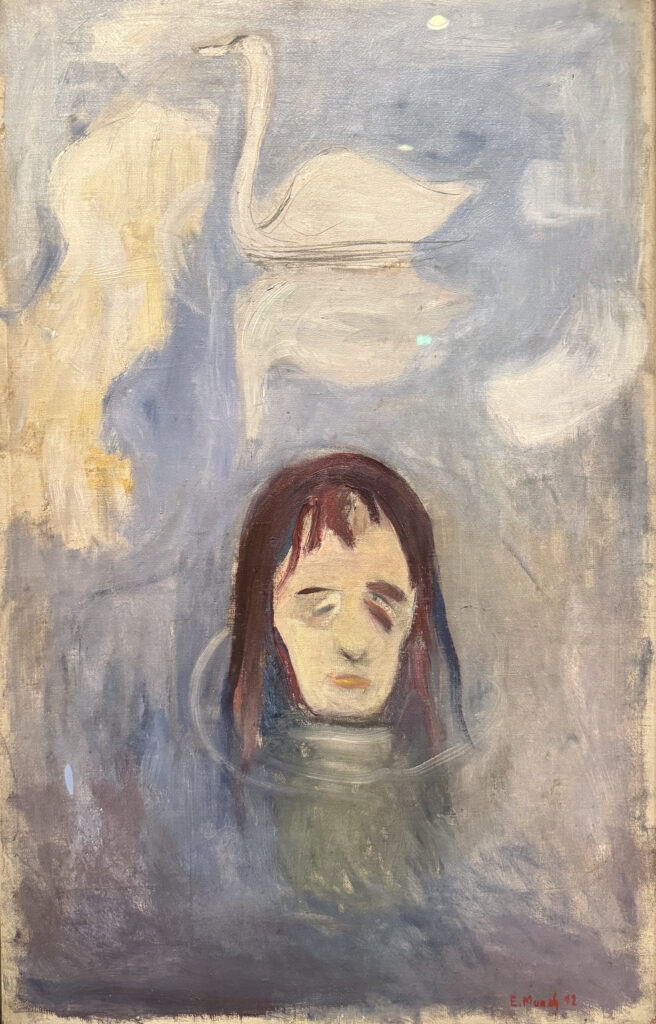
This affinity also reveals the importance of art-historical dialogue. Munch’s expressive language offered a significant point of reference for Lassnig, whose own practice redefined the possibilities of figurative painting in the post-war period.
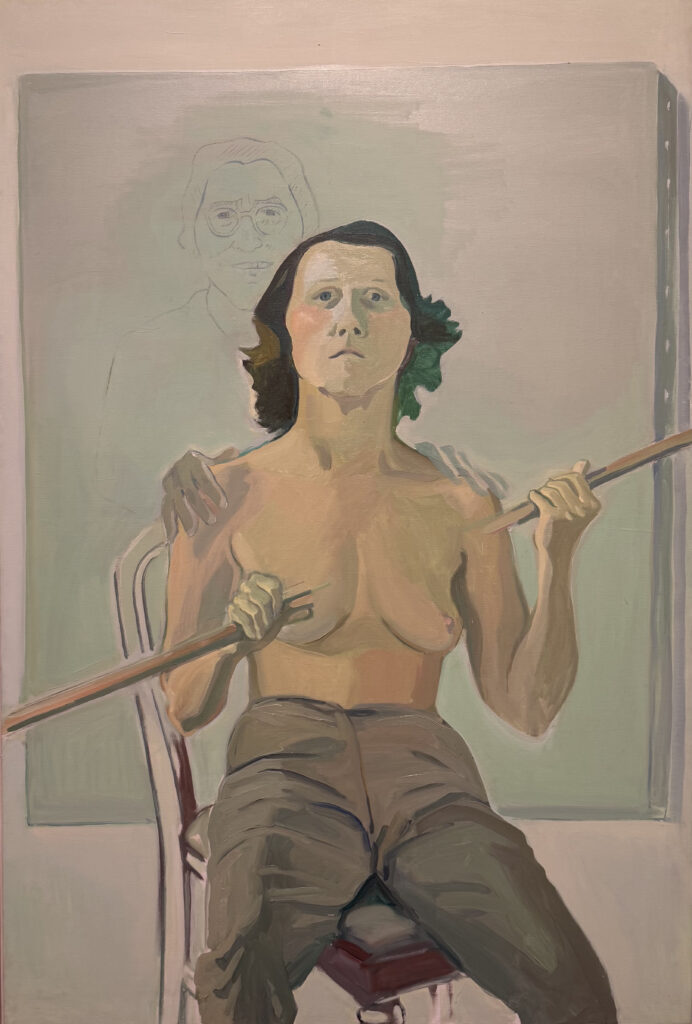
THE VULNERABILITY OF BEING HUMAN
Illness, mortality, and cycles of human nature form another point of convergence. Yet neither artist reduces the body to symbol of suffering. Instead, vulnerability becomes insperable from the capacity to experience life itself.
Munch situates human existence within a broader vision of nature, transformation, and mortality. Lassnig, by contrast, insists on the immediacy of individual human bodily sensation. Together, they create a dialogue between universal human experience and the intense personal realities of consciousness.
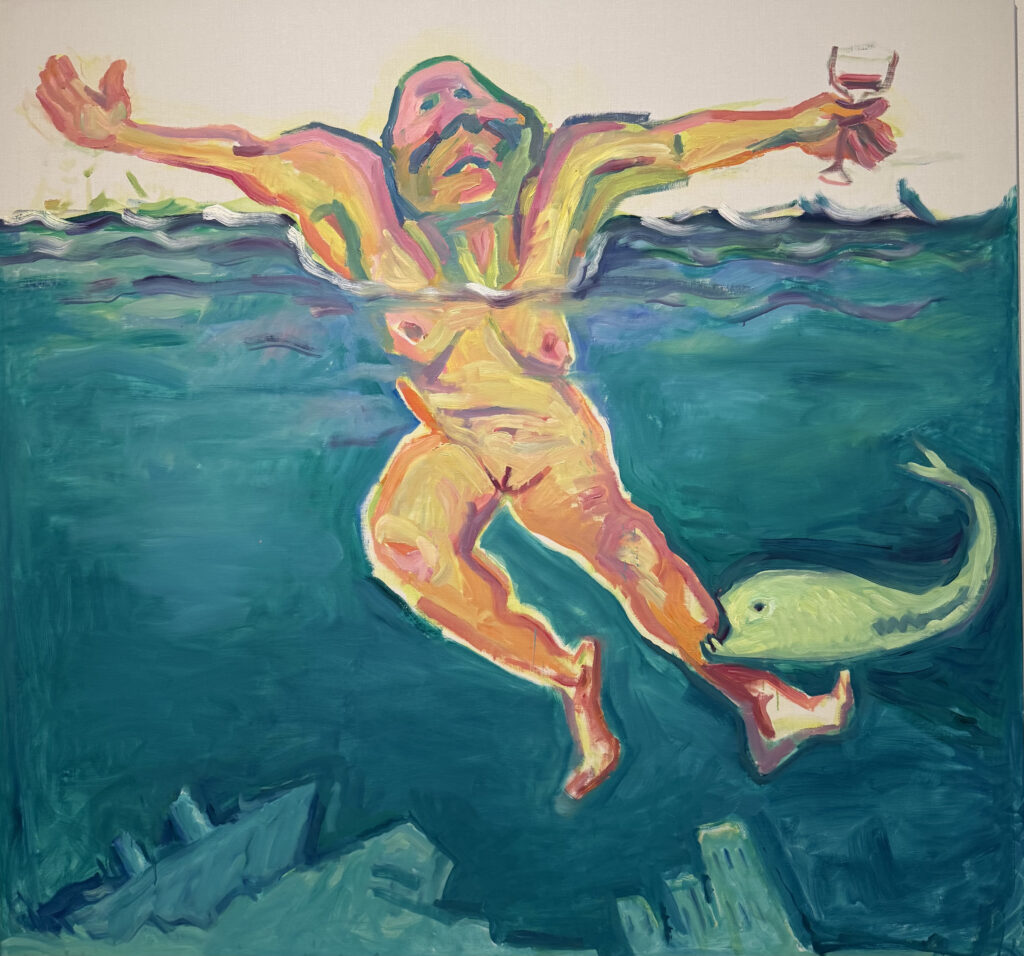
The exhibition’s achievement lies in allowing an extraordinarily rich dialogue between two significant artists’ works without erasing their differences.
Exhibition FLOW OF PAINTING = FLOW OF LIFE returns us to a fundamental question: How can an image convey an experience that cannot be directly seen? For Munch and Lassnig, painting becomes more than representation of the world. It is a way of registering the tensions, vulnerabilities, and fleeting sensations that define our existence.
At Kunsthaus Zurich, their encounter reminds us that painting’s deepest possibilities emerge precisely where appearance gives way to experience.
Editorial note: The article is based on the exhibition’s published curatorial framework and institutional information. Kunsthaus Zurich lists the exhibition through 21 February 2027.

