Share this article:
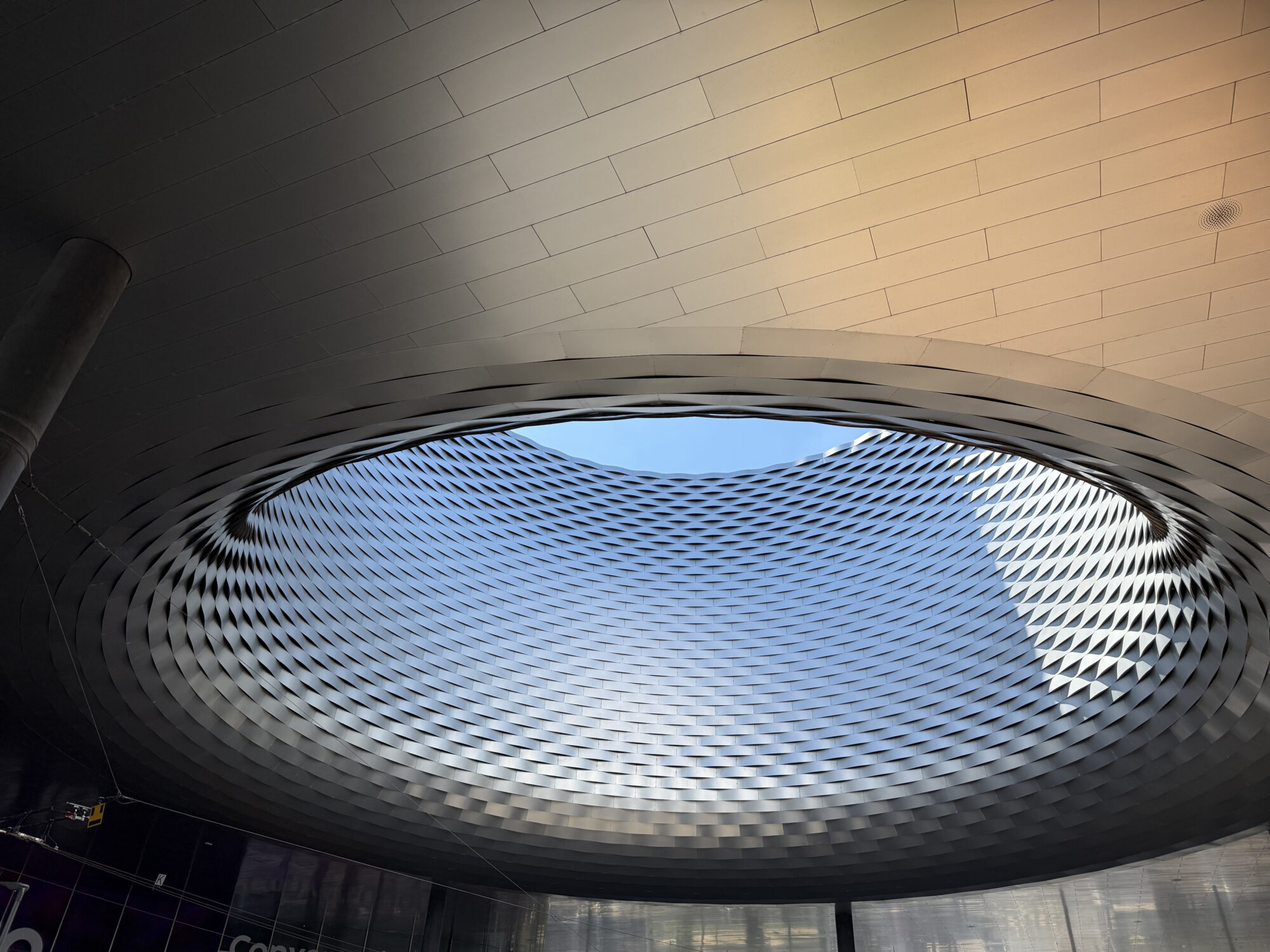
For one week every June, Basel becomes the temporary capital of the global art world. Yet the 2026 edition of Art Basel fells different. More than a marketplace, it presents itself as a laboratory for the transformations currently shaping contemporary art: the emergence of digital native audience, the growing importance of large-scale immersive experiences, and a renewed demand for discovery in an increasingly saturated marked.
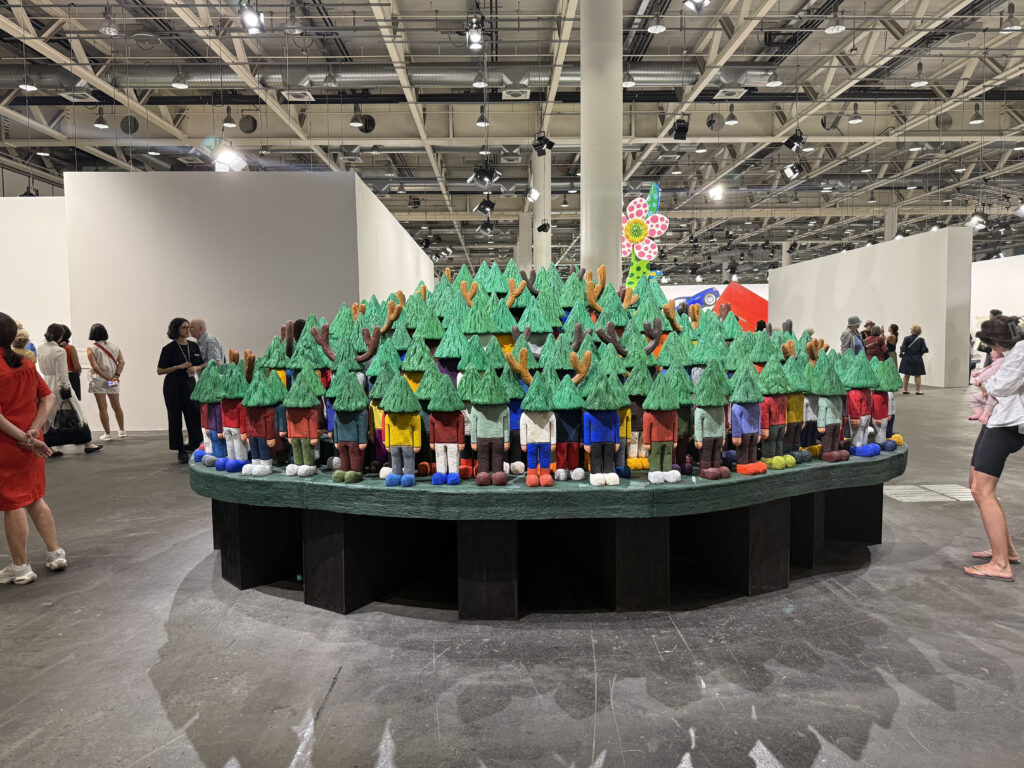
This year, Art Basel, Basel (ABB) was not a celebration of a booming market but a demonstration of resilience. The fair showed that contemporary art remains culturally powerful, but also exposed the growing inequalities within the gallery ecosystem.
BASEL EXCLUSIVE
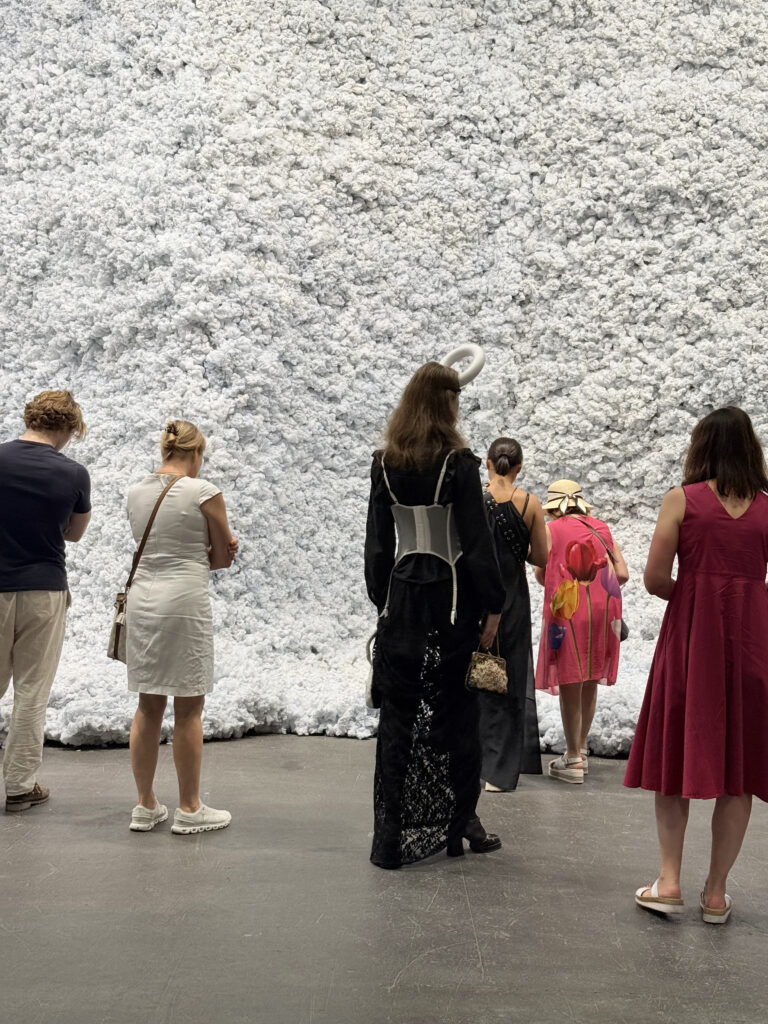
The most talked about innovation of 2026 is undoubtedly Basel Exclusive. Developed in close collaboration with galleries, the initiative reserves selected major works that remain unseen until the VIP opening.
In an era where artworks are often previewed online months before a fair open, Basel Exclusive seeks to restore something increasingly rare: SURPRISE. Collectors encounter works for the first time in person rather than through digital previews. It is a strategic attempt to revive the excitement of discovery that once defined art fairs.
For years, major art fairs faced paradox. Although fairs are meant to be places of discovery, most important works are often sold or previewed weeks before the doors open. Collectors receive PDF, private viewing rooms, and advance presentations, meaning that by the time visitors arrive, many of the most sought-after works are already spoken for.
Basel Exclusive attempts to reverse that trend.
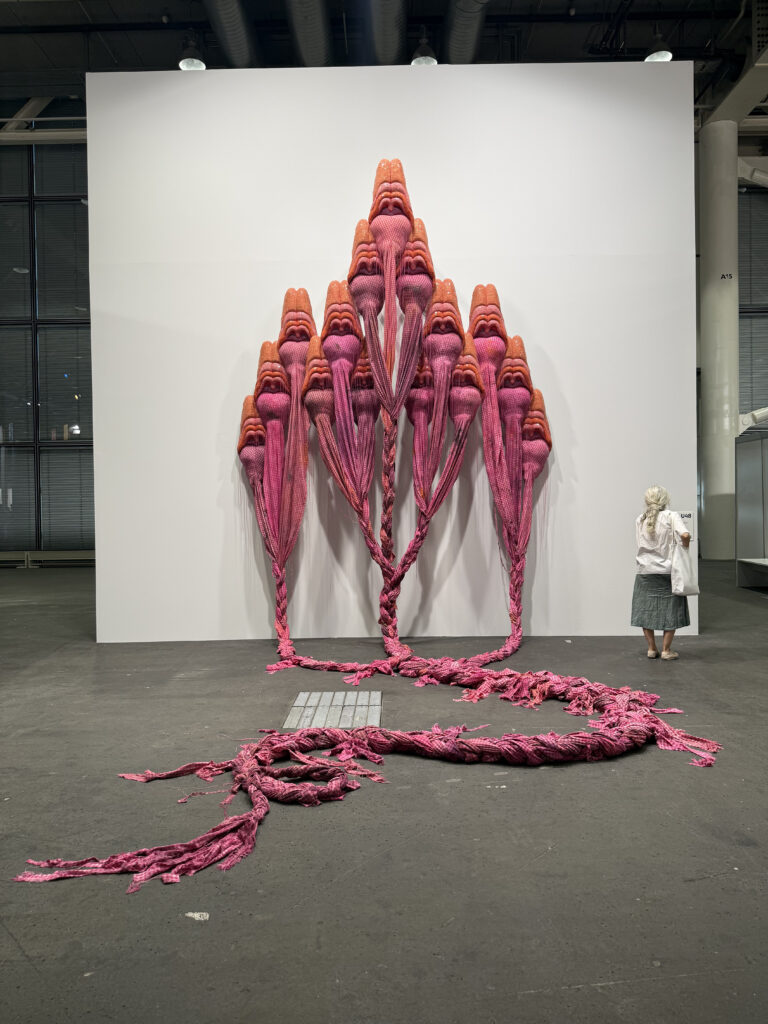
More importantly, the initiative generated something increasingly valuable in contemporary culture: scarcity of experience rather than scarcity of objects.
The artwork was not necessarily rare because of its edition size; it was rare because nobody had seen it yet. The most interesting aspect of Basel Exclusive is that it reflects a broader cultural shift.
In that sense, its success should not be measure only by sales. Whether it becomes a permanent and influential feature of future editions will depend on whether galleries continue to embrace the idea and whether collectors remain willing to exchange advance access for the pleasure of discovery.
THE EUROPEAN DEBUT OF ZERO 10
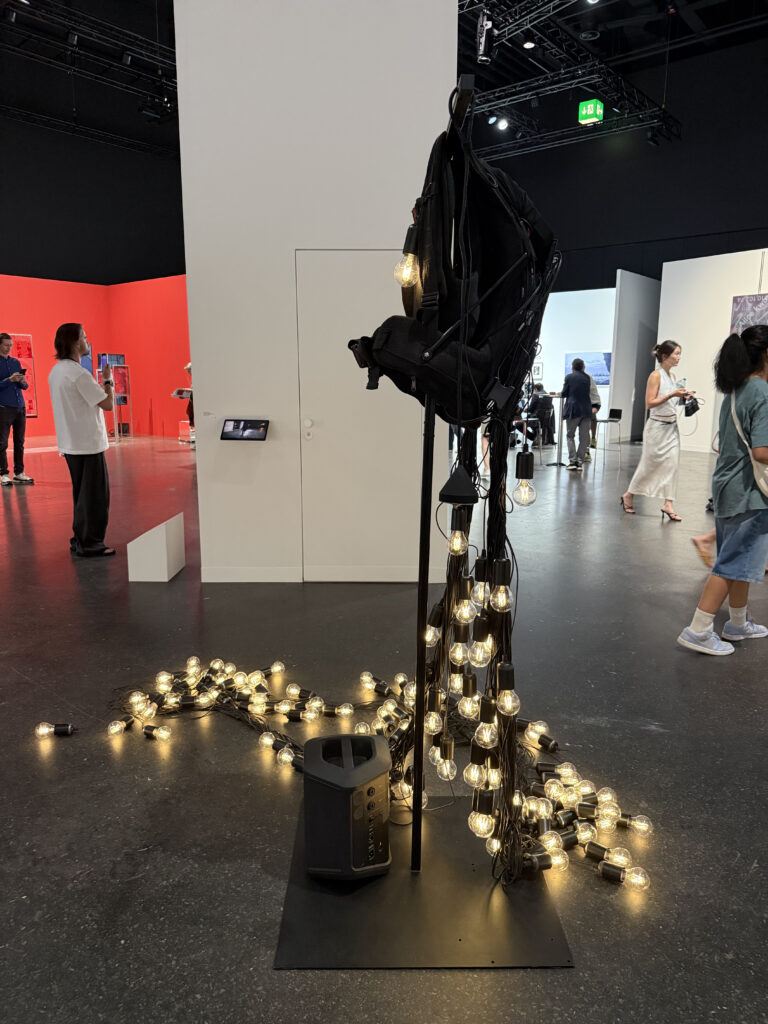
Perhaps the clearest sign of Art Basel’s future direction is the arrival of Zero 10 in Basel. Previously seen in Miami and Hong Kong, the platform dedicated to digital-era artistic practices makes its Swiss debut its largest presentation to date.
Curated by artist Trevor Paglen and digital strategist Eli Scheinman, Zero 10examines what they call “The Condition” -life within a world increasingly shaped by algorithms, artificial intelligence, digital images, and network systems. Twenty exhibitors present artists working across generative art, digital media, and computational practices. Trevor Paglen transformed Zero 10 from a showcase of digital innovation into a critical reflection on the digital condition itself. By emphasizing ideas over technology and context over spectacle, he demonstrated that digital art has maturated into a field capable of arresting some of the most urgent questions of our time. This is the most important achievement of Zero 10in Basel: it helped shift the conversation from, What can technology do? to In what ways is technology changing the way we live, see, remember, and understand the world?
UNLIMITED UNDER NEW LEADERSHIP
Unlimited remains the intellectual and visual heart of the fair. This year marks the first edition curated by Ruba Katrib, Chief Curator of MoMA PS1.
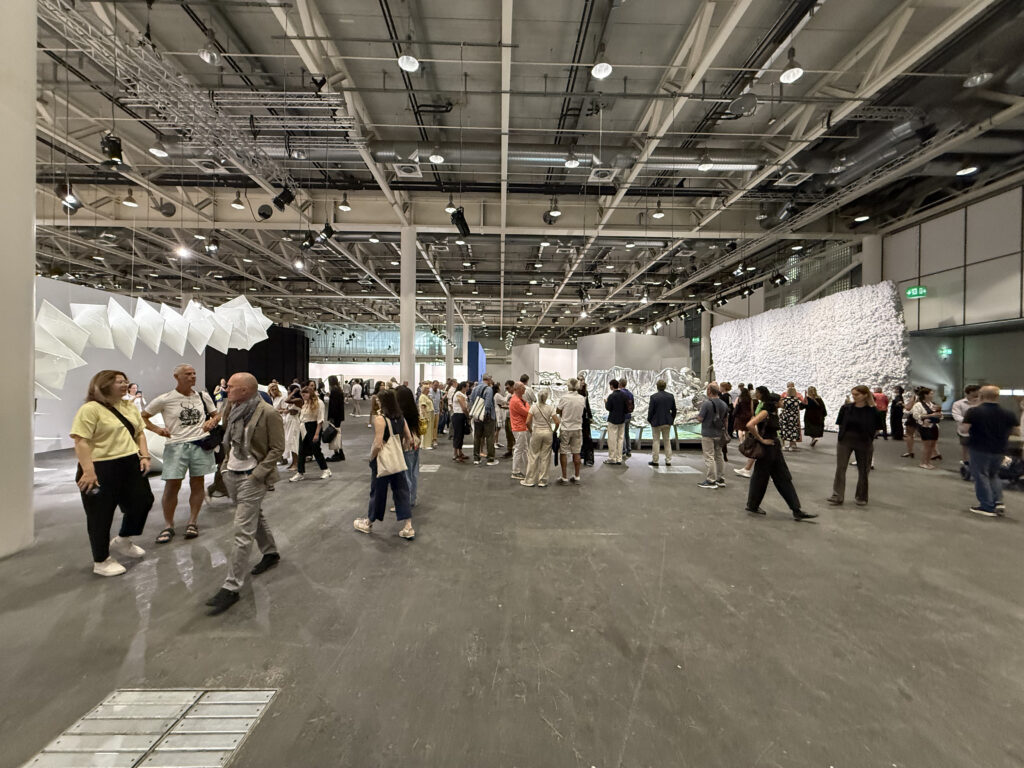
Her edition brings together 59 large-scale projects presented by 66 galleries, focusing on artists whose works address political, ecological, and social realities. Monumental installations, moving-image environments, performances, and immersive spaces transform the exhibition hall into something closer to a temporary museum than a commercial fair.
Unlimited felt especially important this year, not necessarily because it is largest in its history, but because of its curatorial ambition and its central role within the fair.
The significance of Unlimited 2026 also lies in its timing. The art world is currently negotiating multiple transitions– technological, ecological, political, and economic. Under Katrib’s direction, Unlimited reflects these transformations while maintaining its role as the fair’s most museum-like and experimental space.
THE EXPANSION OF PREMIER
Introduced only last year, Premier returns in an expanded format. The sector grows from ten to seventeen presentations, confirming its importance within the fair’s ecosystem.
Premier focuses on artworks created within the last five years and offers a platform for artists whose careers sit between emerging and fully established categories. Its growth reflects a market increasingly interested in mid-career artists with strong institutional visibility and fresh bodies of artworks.
THE PARCOURS
Beyond the Messe halls, Basel itself becomes an exhibition space throughParcours, curated once again by Stefanie Hessler.
Twenty-two projects unfold through streets, shops, apartments, and historic locations near Rhine. These interventions blur the boundaries between city and exhibition, encouraging visitors to encounter art within everyday urban life rather than solely inside the fairgrounds.
One of the most visible additions this year is the presentation of major public commissions by inaugural Art Basel recipients.
New large-scale works by Nairy Baghramian and Ibrahim Mahama occupy prominent public spaces in Basel, extending the fair’s influence beyond commerce and into civic experience.
FEVER CATEGORIES, STRONGER NARRATIVES
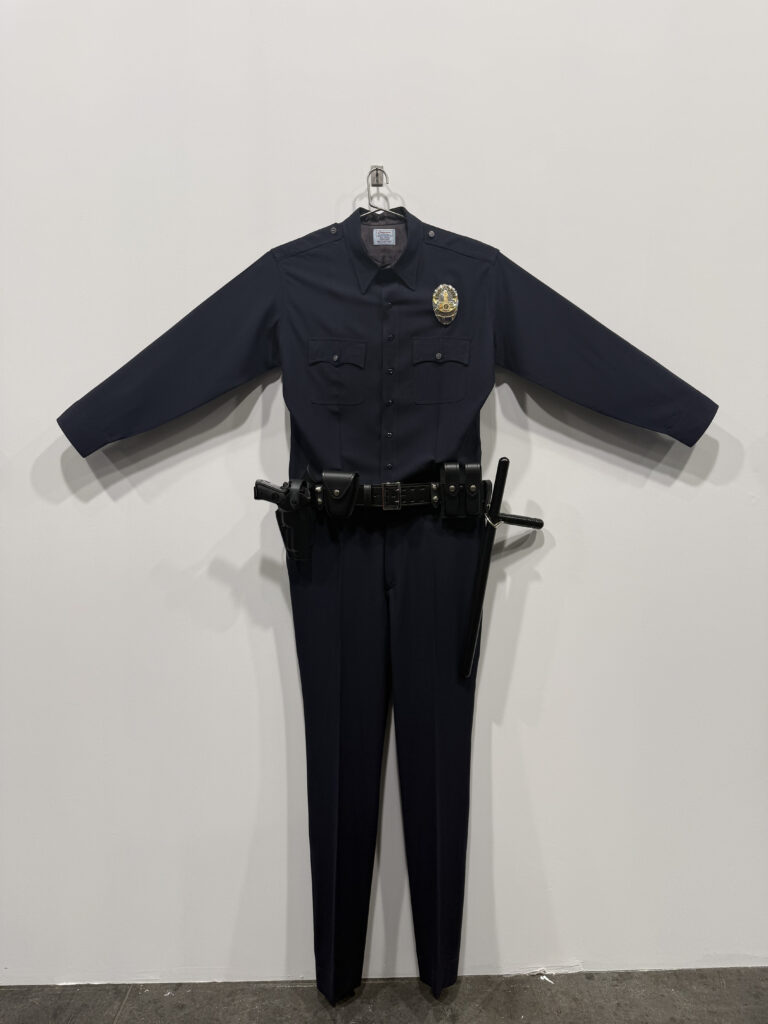
Throughout the fair there is a noticeable shift away from simple market segmentation. Whether in Statements, Feature, Premier, or Unlimited, presentations increasingly emphasize curatorial storytelling over accumulation.
Many booths read less like inventories and more like tightly conceived exhibitions.
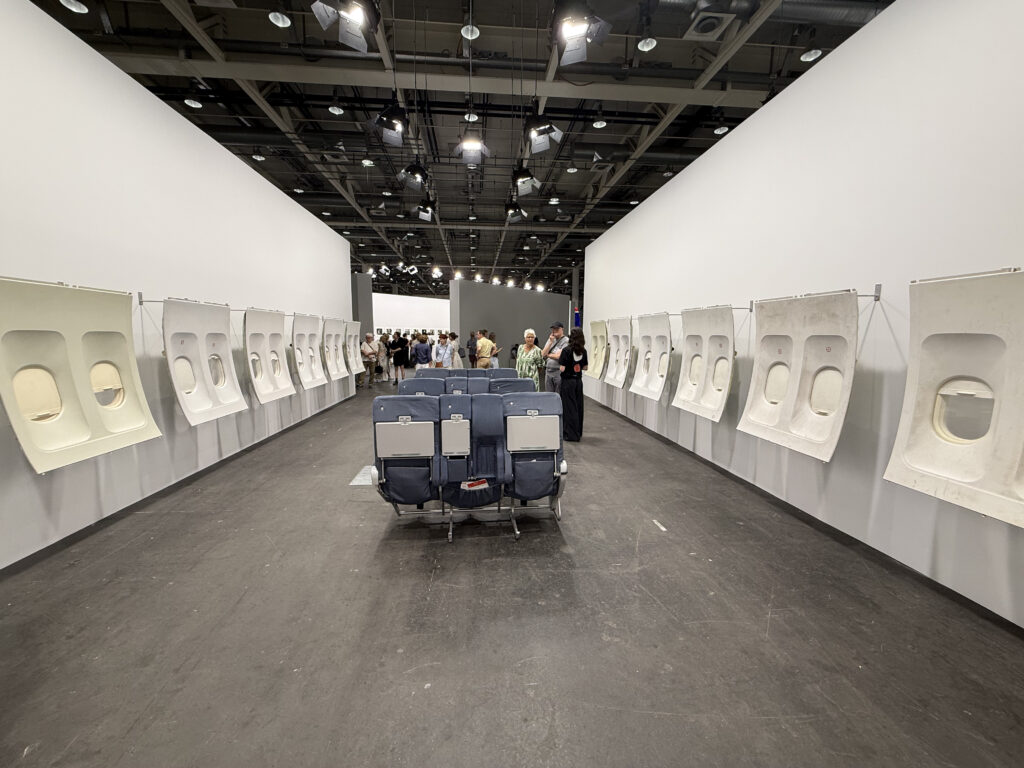
THE RETURN OF THE MUSEUM BOOTH
Several galleries have responded to market uncertainty by presenting historically rigorous exhibitions rather than highly speculative material.
The result is a fair that feels more scholarly and reflective than in previous years, with museum-quality presentation serving as both intellectual and commercial propositions.
Art Basel is neither a nostalgic celebration of the art market nor a wholesale embrace of technological futurism. It occupies a more complex position between the two. The introduction of Basel Exclusive seeks to recover the excitement of physical discovery, while Zero 10 embraces a world increasingly shaped by digital realities. Unlimited and Parcours continue to expand the fair beyond commercial transactions toward immersive cultural experiences.
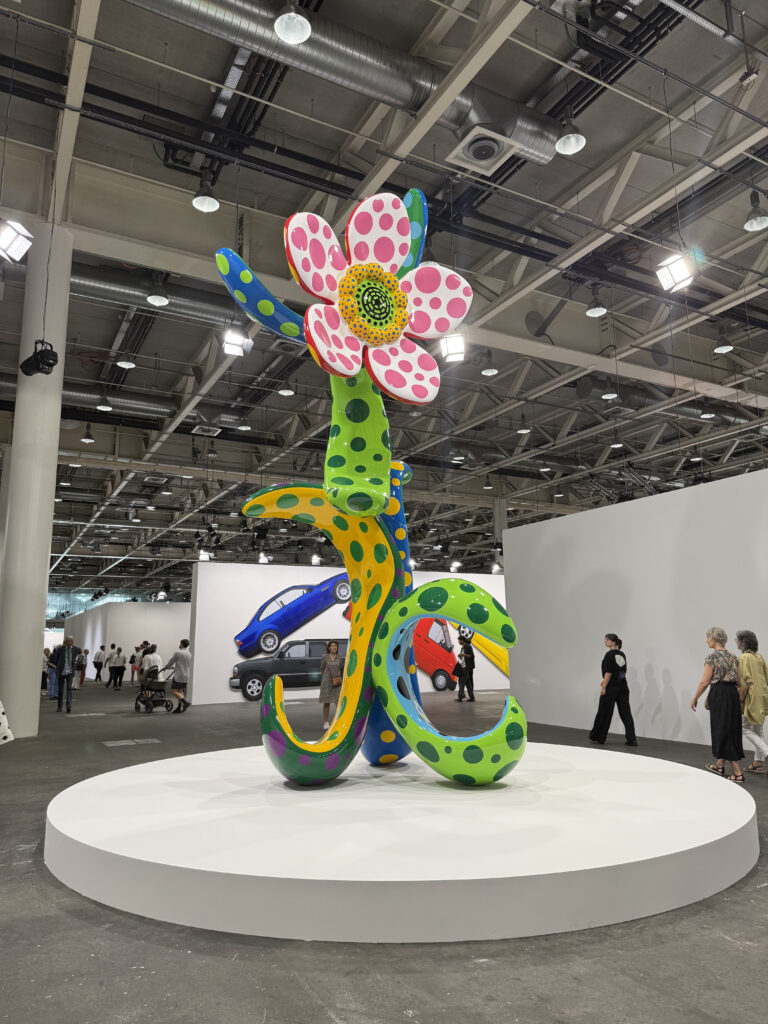
Why Basel still matters?
As the art fair landscape becomes increasingly regionalized, with collectors, galleries, and institutions often concentrating their attention closer to home, Art Basel 2026 demonstrated why Basel continues to occupy a singular position within the global art world. While new fairs emerge and local markets strengthen, Basel remains the place where the international art community gathers to take the measure of itself.
Art Basel, Basel remains rooted in its history while continuously adapting to new artistic, technological, and social conditions. More than a marketplace, art Basel continues to function as a meeting point between generations, and ideas.
In an increasingly fragmented art world, Basel remains its symbolic center-where the past, present, and future of contemporary art briefly converge each June. The heart of Art Basel still beats in Basel.

