
Share this article:
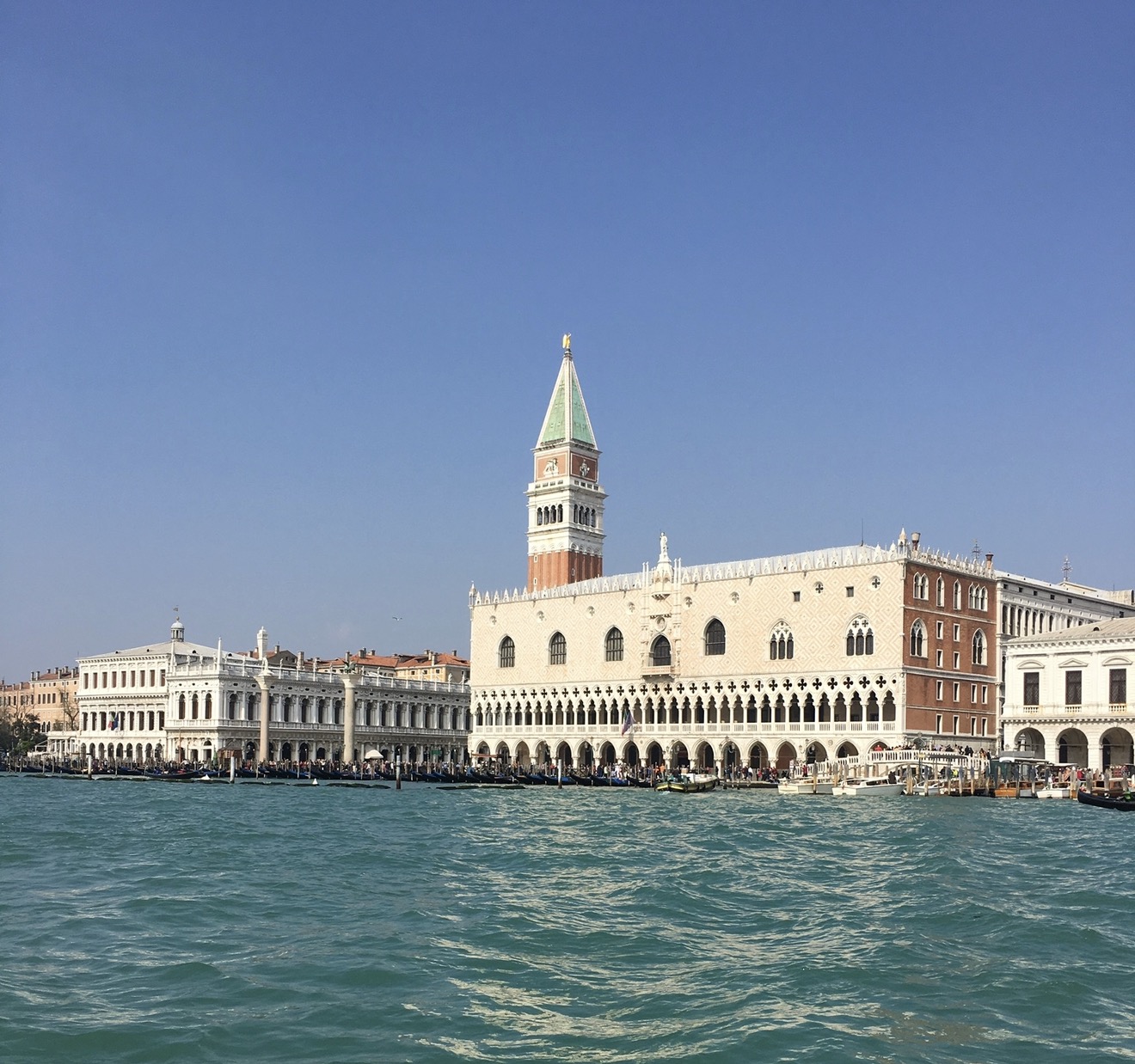
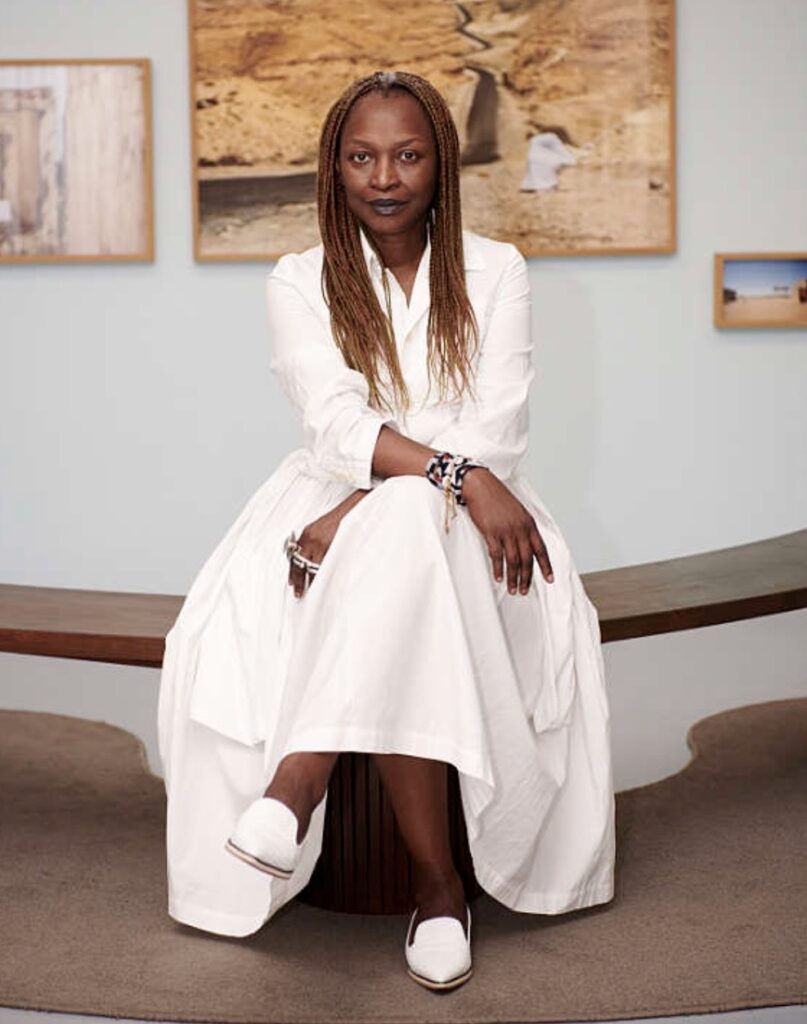
The 2026 Venice Biennale was meant to unfold in a minor key. Conceived by Koyo Kouoh -the first African woman to be appointed artistic director of the exhibition-it proposes a radical shift away from spectacle and towards listening, repair, intimacy and attention. In her curatorial statement, Kouoh invited audiences to “tune in to the frequencies of the minor keys,” encouraging them to hear the voices of history and silent power.
YET THE BIENNALE OPENED AMID ANYTHING BUT SILENT
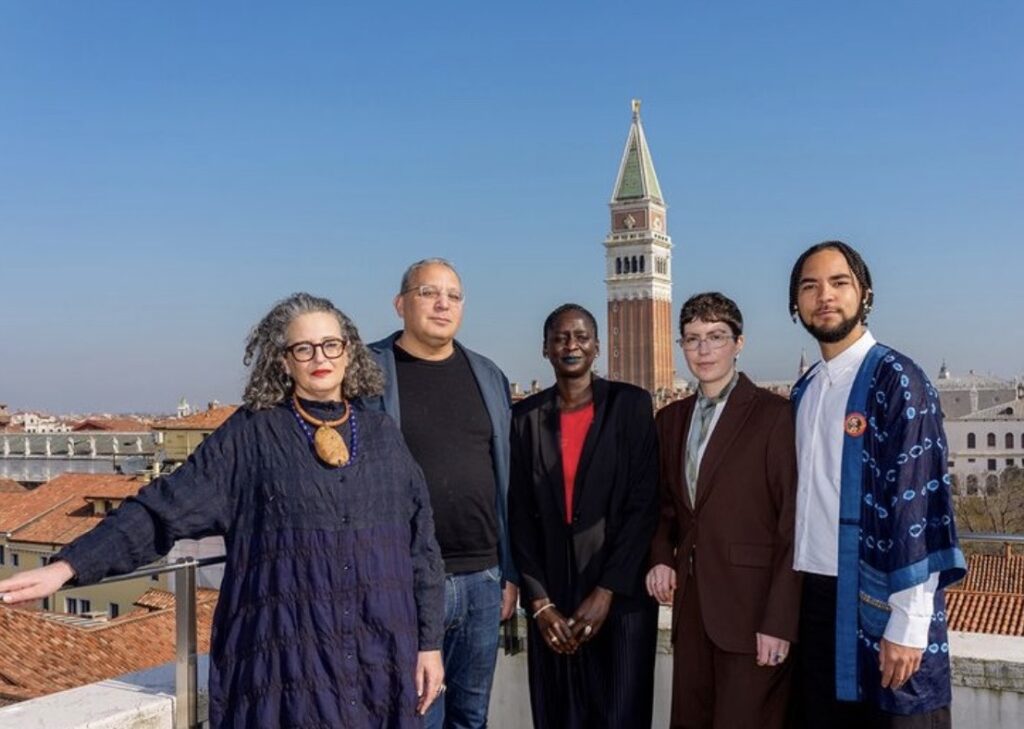
The first shock came in May 2025 with the sudden death of Kouoh, before the exhibition could be realized. Unlike previous editions, the Biennale chose not to appoint a replacement curator. Instead, the project was entrusted to the team she had assembled: Gabe Beckhurst Feijoo, Marie-Helene Pereira, Rasha Salti, Siddhartha Mitter and Rory Tspayi. Their mission was unusual, perhaps even unprecedented, in that it was not to reinterpret Kouoh’s ideas, but to preserve them. The exhibition was an example of posthumous curating, a rare situation in which a curator’s vision outlives them and must be realized by others.
This decision generated both admiration and unease. Can an exhibition survive when its author is no longer around to react, or respond? Is fidelity possible, or does every act of realization inevitably become an act of interpretation? The 61st Venice Biennale provided an opportunity to explore these questions.
WHY THE 2026 VENICE BIENNALE BECAME A MIRROR OF ITS TIME
At the same time, a second conflict emerged around geopolitics. The presence of the Israeli and Russian pavilions sparked widespread protests, petitions, resignation, and public debates. Demonstrators argued that cultural representation could not be separated from ongoing military conflicts and accusations of war crimes. The controversy escalated when the international jury resigned, refusing to continue under these circumstances. Without a jury, the tradition of awarding prizes collapsed, forcing the Biennale to adopt a model in which visitor vote, which itself became the subject of further protests by artists and participants.
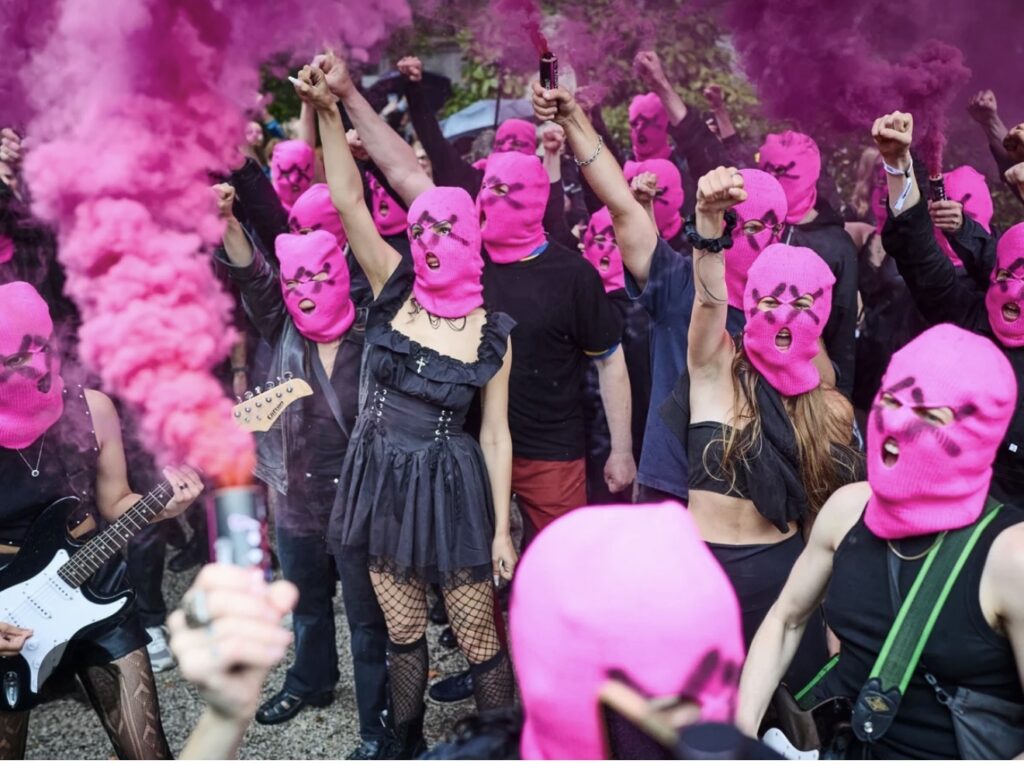
Consequently, the conversation surrounding the Biennale often shifted away from artworks themselves to institutional ethics. Who has the right to represent a nation? Can an art exhibition remain neutral during a global conflict? Is participation itself a political act?
What makes this edition particularly fascinating is that these disputes directly intersect with Kouoh’s own project. “In Minor Keys” proposed listening instead of domination, complexity instead of certainty, repair instead of spectacle.
The result is a Biennale that functions less as a survey of contemporary society. The conflicts surrounding it reveal a world that is increasingly unable to distinguish aesthetics and politics, institutions and ethics, and representation and accountability. Every pavilion becomes a diplomatic statement, every curatorial decision becomes political, every silence interpreted as a position.
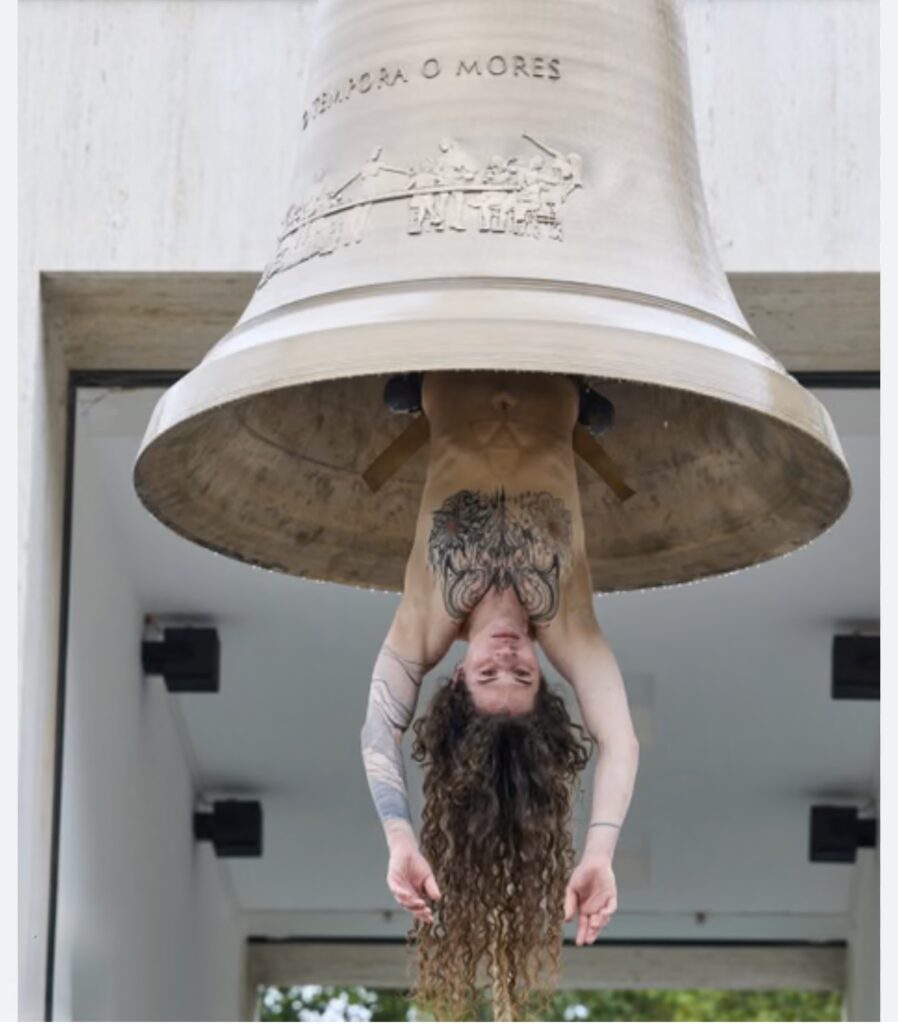
This may explain why the 2026 Biennale feels so chaotic. The chaos does not originate solely in Venice. It stems from the world that Venice reflects. The Biennale has always provided a platform for nations, institutions, artists and ideologies to showcase themselves. In 2026, however, that stage simply became more transparent and connected. What emerged was not just a crisis of the Biennale, but also a crisis of the international order that it represents.
From this perspective, the most striking aspect of Koyo Kouoh’s posthumous Biennale is its paradox. An exhibition dedicated to listening was surrounded by shouting. A project devoted to repair was framed by rupture. However, it is perhaps precisely this tension is precisely that makes it historically significant. The Biennale’s turmoil demonstrates that contemporary art can no longer stand outside political conditions. It is one of the most important places where these conditions become visible.
As the Venice Biennale draws its meaning from the exhibitions it presents and the debates it provokes, one figure remains at its quiet center: Koyo Kouoh. Though she is absent in person, her presence resonates throughout the exhibition she imagined, which is based on the principles of listening, complexity, and the belief that art can provide spaces for reflection rather than certainty. “The In Minor Keys” stands as a testament to the strength of her vision and to the collective commiment of those who brought it to life.
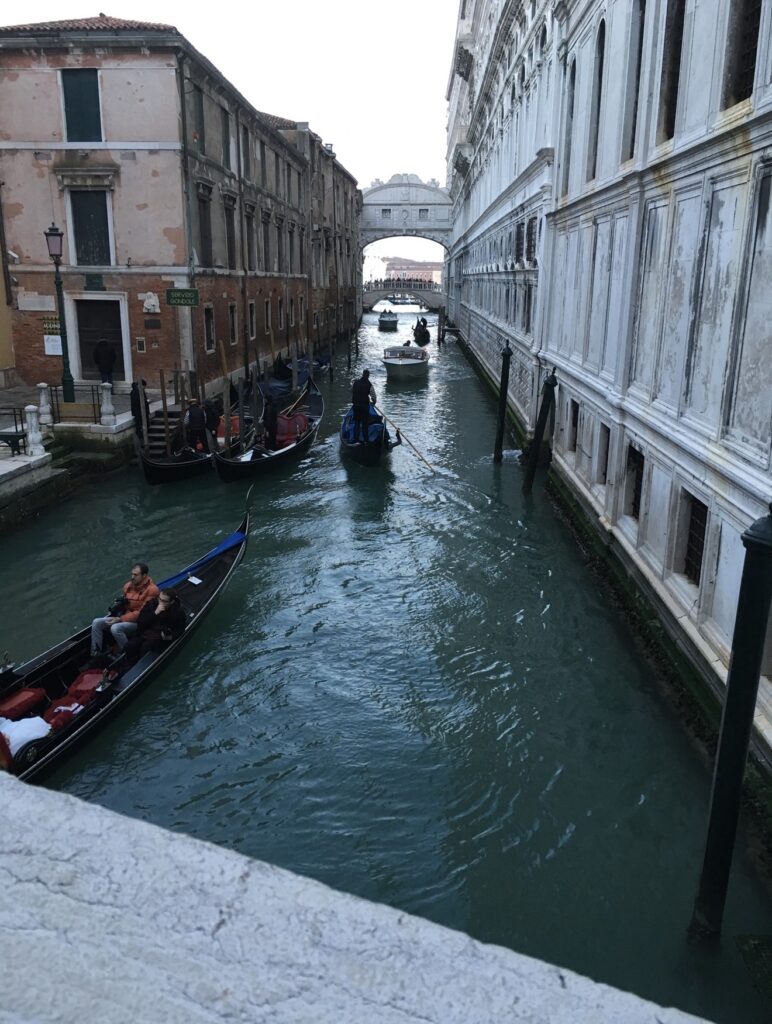
In this sense, both Kouoh’s curatorial legacy and the events surrounding it are united by a shared aspiration: the belief that culture matters because it encourages us to engage with the realities of our time in a critical, honest and courageous way.
The 2026 Venice Biennale will be remembered not only for its artworks, but also for the dialogue it generated between vision and dissent, memory, and action. This reminds us that, like art democracy is a living and unfinished practice.


Harika anlatım. Çok teşekkürler 😍